The Evolution of Water Treatment Systems Suppliers
Water treatment systems have undergone a remarkable evolution since their inception, deeply influenced by technological advancements, regulatory changes, and the increasing demand for sustainable and efficient solutions. Over the decades, a growing understanding of waterborne diseases and environmental concerns has catalyzed the development of more advanced treatment methodologies. Today, water treatment systems Supplier play a crucial role in various sectors, including municipal utilities, industrial applications, and remote deployments, ensuring that clean, safe drinking water remains accessible worldwide.
Historical Overview of Water Treatment
The history of water treatment dates back to ancient civilizations, where basic filtration methods were employed using sand and charcoal. As urban populations grew, so did the need for more sophisticated systems to purify water. By the 19th century, advanced treatment processes emerged, including chlorination and sedimentation, which significantly reduced the incidence of waterborne illnesses. The introduction of municipal water treatment facilities marked a pivotal shift, leading to enhanced public health standards and a greater emphasis on water safety.
Shift Towards Containerized Solutions
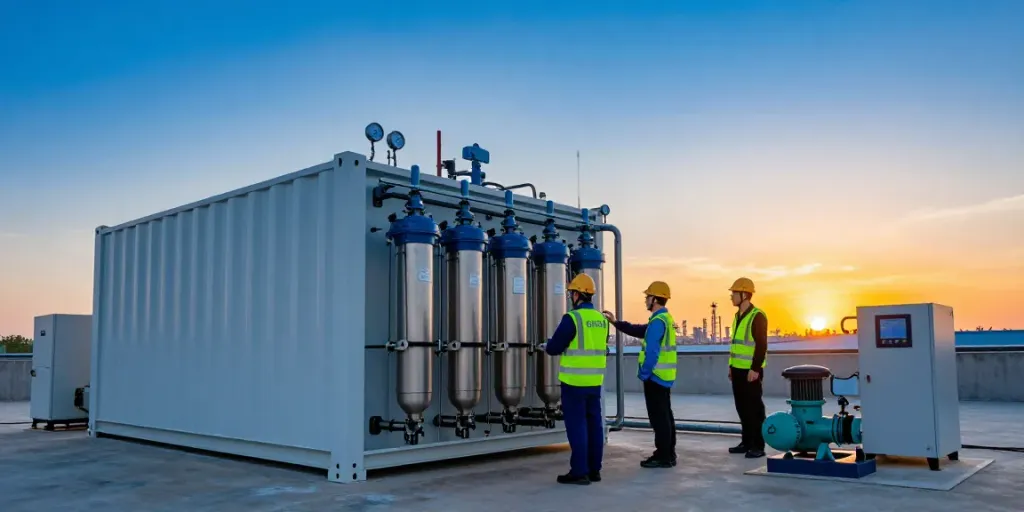
More recently, the shift towards containerized water treatment systems reflects a response to the need for flexibility, rapid deployment, and the ability to address diverse water quality issues. Unlike traditional methods that often involve extensive civil engineering and drawn-out installation processes, containerized systems can be deployed swiftly, with some units becoming operational in less than a week. This adaptability has made them increasingly attractive for both temporary and permanent installations, especially in remote or challenging environments.
Innovations in Water Treatment Technology
Advancements in technology have continually shaped water treatment solutions. The integration of advanced filtration techniques, reverse osmosis, and real-time monitoring systems enhances the efficiency and effectiveness of water treatment processes. Such innovations are crucial in ensuring high-purity water is produced, particularly in sectors that demand strict quality standards, such as pharmaceuticals and laboratories.
Key Advantages of Containerized Water Treatment Systems
Containerized water treatment systems offer numerous advantages over traditional counterparts, making them an increasingly popular choice for various applications. Their design allows for customizable configurations that cater to the specific needs of different environments, promoting both efficiency and effectiveness.
Modular Flexibility and Custom Solutions
The modular nature of containerized systems means they can be tailored to meet unique water treatment requirements. This flexibility allows suppliers to create solutions that align closely with the specific demands of municipal, industrial, or emergency situations. By leveraging innovative designs, businesses can deploy water treatment systems that not only fit their needs but also adapt to future changes, whether through expansion or modification.
Rapid Deployment and Reusability
One of the standout features of containerized water treatment systems is their rapid deployment capability. In stark contrast to traditional systems, which may take months to construct and implement, containerized options can often be operational within 3 to 7 days. This significant reduction in lead time is vital for emergency responses or quick deployments in areas affected by natural disasters or sudden increases in water demand. Additionally, their reusability ensures that these systems can be relocated and redeployed, supporting sustainable practices and minimizing waste.
Enhanced Quality Control and Monitoring
Modern containerized systems are equipped with intelligent control systems that facilitate real-time monitoring of water quality parameters. This level of oversight not only ensures compliance with safety standards but also allows for immediate adjustments to be made in response to changing water conditions. Such proactive measures support consistent water quality output and operational efficiency, addressing one of the primary concerns of water treatment suppliers.
Comparative Analysis: Containerized vs. Traditional Systems
When comparing containerized water treatment systems to traditional setups, the differences become starkly apparent in several key areas, including cost efficiency, installation requirements, and environmental impact.
Cost Efficiency and Time Savings
Cost-effectiveness is a critical consideration for any water treatment project. Containerized systems, with their prefabricated components, significantly reduce labor costs and construction time. It’s common for traditional systems to necessitate extensive civil works that can delay project timelines by months. In contrast, the predefined structure of containerized solutions minimizes on-site construction needs, enabling quicker service readiness and reduced overhead.
Space-Saving Designs and Installation Requirements
Space is often at a premium, especially in urban environments. Traditional water treatment plants require substantial real estate for installation, which involves complex site preparation and civil engineering. Containerized systems, however, can be placed on flat ground, often requiring only a fraction of the space needed by their traditional counterparts. This space-saving aspect not only enhances design flexibility but also reduces land acquisition costs.
Environmental Impact and Resource Recycling
Environmental sustainability has emerged as a pressing concern in water treatment. Containerized systems support resource recycling initiatives, allowing for the integration of reclaimed water reuse modules. These systems can achieve recycling rates of up to 80%, significantly outperforming traditional installations that typically struggle to exceed a 40% recycling rate. This capability not only contributes to environmental protection but also offers economic benefits by maximizing resource utilization.
Challenges Faced by Water Treatment Systems Suppliers
Despite the advantages offered by containerized solutions, water treatment systems suppliers face several challenges that can impact their operations and market growth. Understanding these hardships is vital for developing strategies to enhance service delivery.
Common Misconceptions in the Industry
One prevalent misconception is that all water treatment solutions are created equal. In reality, the specific needs of different sectors require distinct approaches to water treatment. For instance, pharmaceutical applications necessitate ultra-pure water, necessitating advanced filtration techniques that may not be needed for municipal water treatment. Educating clients on the nuances of water treatment can help suppliers better serve their customers and dispel myths about generic solutions.
Regulatory Compliance Issues
Regulatory compliance remains a significant challenge within the water treatment industry. Suppliers must navigate a complex landscape of local, national, and international regulations regarding water quality standards. Non-compliance can lead to severe penalties, reputation damage, and, ultimately, loss of business. It is imperative for suppliers to stay updated on evolving regulations and ensure their systems meet all necessary legal requirements.
Maintaining Quality and Safety Standards
Quality assurance is another area of concern for water treatment systems suppliers. With the health and safety of end-users dependent on the effectiveness of the treatment process, maintaining stringent quality and safety standards is non-negotiable. Suppliers must invest in advanced monitoring and control systems to ensure that water quality is consistently maintained across all treatment stages.
Future Trends in Water Treatment Solutions (2026 and Beyond)
As we look to the future, the water treatment landscape is expected to evolve significantly, driven by technological advancements and shifting consumer expectations. Staying ahead of trends will be essential for suppliers seeking to maintain competitiveness.
Technological Advancements on the Horizon
Emerging technologies, such as artificial intelligence and machine learning, are expected to play a crucial role in the future of water treatment. These technologies will facilitate more accurate predictive maintenance, improve efficiency, and enhance the automation of water treatment processes. Such advancements will enable suppliers to optimize their systems further and reduce operational costs.
Changing Consumer Demands and Expectations
Consumer awareness regarding water quality issues is growing, leading to heightened demand for transparency and accountability from water treatment suppliers. Customers are now more informed about the processes that contribute to safe drinking water and expect suppliers to provide detailed information about the efficacy of their systems. Meeting these demands will require suppliers to enhance communication and provide accessible data regarding water quality outcomes.
Sustainability Practices in Water Treatment
Sustainability is poised to remain a focal point in water treatment practices. As awareness of climate change and resource scarcity increases, there will be a push towards solutions that maximize resource efficiency and promote environmental stewardship. Containerized systems, with their capacity for rapid deployment and integration of recycling modules, are inherently aligned with these sustainability goals, making them a preferred choice for future projects.
What are the leading suppliers of water treatment systems?
Leading suppliers in the water treatment sector include companies known for their innovative approaches and high-quality solutions. Companies like Veolia, SUEZ, and Pentair continue to dominate the market with their extensive portfolios and commitment to sustainability.
How are containerized systems more efficient than traditional methods?
Containerized systems are more efficient due to their rapid deployment capabilities, reduced space requirements, and significant cost savings associated with prefabrication and modular design. These systems can also be easily relocated, enhancing their operational flexibility compared to traditional methods.
What regulatory challenges impact water treatment suppliers?
Water treatment suppliers face regulatory challenges that include navigating complex compliance frameworks, meeting varying standards across regions, and adhering to continuous changes in legislation that regulate water quality and safety.
What innovations are anticipated in the next few years?
Anticipated innovations in the water treatment sector include the integration of AI-driven technologies, advancements in filtration materials, and the development of more effective water recycling systems, all aimed at improving efficiency and sustainability in water treatment processes.
How does resource recycling integrate into water treatment solutions?
Resource recycling in water treatment solutions involves the use of reclaimed water for various applications, significantly enhancing water efficiency. By integrating recycling modules into containerized systems, suppliers can achieve higher recycling rates, thus promoting sustainable water management practices.