Understanding the Importance of Product Configurators in Manufacturing
In today's rapidly evolving manufacturing landscape, the demand for customization is at an all-time high. Customers are no longer satisfied with one-size-fits-all solutions; they expect products tailored to their specific needs. This shift has made the use of product configurator for manufacturers an essential tool. By integrating technology that allows users to design products online, manufacturers can meet customer expectations while improving operational efficiency.
What is a Product Configurator for Manufacturers?
A product configurator is a software tool that enables customers to customize products according to their unique specifications. For manufacturers, these configurators provide a user-friendly interface for selecting various attributes, like dimensions, colors, materials, and features. The configurator then translates these choices into a detailed product model and generates accurate pricing and production information. This seamless interaction not only enhances the customer experience but also streamlines the manufacturing process by ensuring that orders are precise and feasible.
Benefits of Implementing Product Configurators
Implementing product configurators offers a multitude of benefits. Firstly, they improve the customer experience by allowing users to visualize their choices in real-time, creating a sense of ownership over their purchases. Secondly, configurators reduce the chances of errors in orders, leading to higher efficiency in production and fulfillment. Additionally, they can significantly decrease the time spent on quoting and order management, freeing up resources for other critical organizational functions.
- Enhanced Customer Engagement: Customers enjoy interacting with configurators, which can lead to increased sales conversion rates.
- Greater Efficiency: Automated processes reduce manual tasks and enhance productivity for the sales and manufacturing teams.
- Accurate Data Collection: Configurators can gather and track customer preferences and purchase history, which can inform future product development.
Common Misconceptions About Product Configurator Software
Despite their benefits, there are several misconceptions surrounding product configurators. One common belief is that these tools are only suitable for large enterprises. In reality, manufacturers of all sizes can leverage configurators to improve their sales processes and customer interactions. Another misconception is that implementing a product configurator is prohibitively expensive and time-consuming. With advancements in technology, many manufacturers find that they can deploy these solutions in a fraction of the expected time and cost.
Key Features of Effective Product Configurator Solutions
Real-Time Visualization and Customization Options
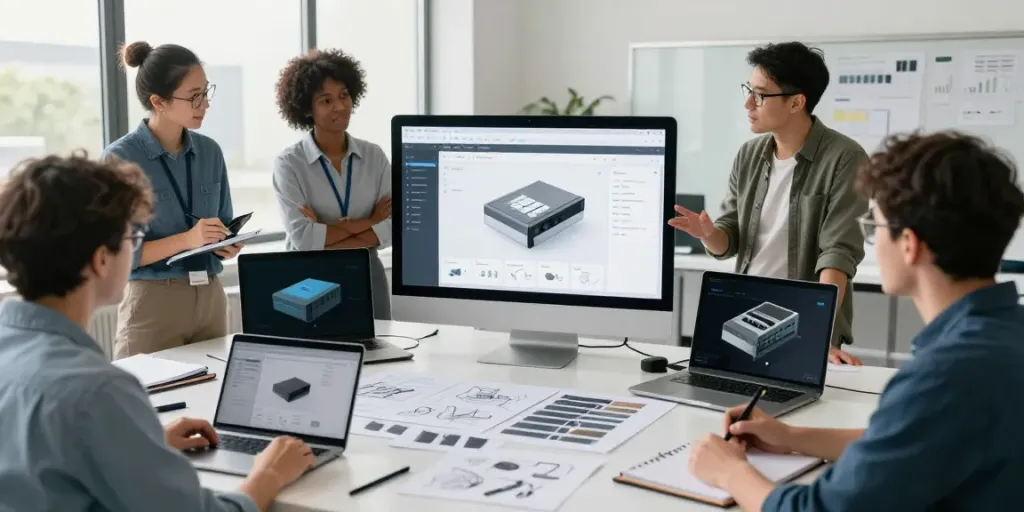
One of the standout features of an effective product configurator is its ability to provide real-time visualization. Customers can see dynamic 3D models of their configurations, which enhances their understanding of the product and increases their likelihood of purchase. This feature allows users to manipulate product parameters, view different options, and make informed decisions before placing an order.
Integration with ERP and CRM Systems
The capability to integrate with existing Enterprise Resource Planning (ERP) and Customer Relationship Management (CRM) systems is crucial for a product configurator. This integration ensures that all data flows smoothly between various business functions, from sales to production. It allows manufacturers to automate processes, maintain up-to-date inventory, and manage customer relationships more effectively.
Automated Quoting and Order Management Processes
Automated quoting is another essential feature of product configurators. When a customer completes their product configuration, the software generates an accurate quote based on the selected options and pricing rules, eliminating lengthy back-and-forth communications. This automation not only accelerates the sales process but also minimizes human error, ensuring that quotes reflect the correct information.
Challenges in Implementing Product Configurators
Identifying User Pain Points in Configuration
Before implementing a product configurator, it's vital for manufacturers to identify user pain points in the configuration process. Understanding workflow obstacles, like delays in product customization or difficulties in navigating options, can inform the design and functionality of the configurator. Gathering feedback from sales teams and customers is an effective way to pinpoint these challenges.
Misinformation About Costs and Launch Times
Many manufacturers may hesitate to adopt a product configurator due to misconceptions regarding costs and implementation timelines. It’s essential to approach these concerns with clear data highlighting the return on investment and efficiency gains. By presenting case studies and success stories, manufacturers can demystify the process and showcase the business value.
Overcoming Resistance from Sales Teams
Resistance from sales teams can pose a significant challenge when implementing new technologies. It's crucial to involve sales personnel early in the configuration process to ensure their concerns and insights are addressed. Providing comprehensive training and highlighting the benefits of configurators in making their jobs easier can help overcome this resistance.
Best Practices for Using Product Configurators in Manufacturing
Developing User-Friendly Interfaces
A user-friendly interface is fundamental for the success of a product configurator. The design should be intuitive, allowing users to navigate through options easily and make selections without confusion. Utilizing customer feedback and conducting usability testing can significantly enhance the configurator's effectiveness.
Training Sales Teams on Configuration Tools
Proper training for sales teams on how to leverage the configurator is essential. Training sessions should focus on the technical aspects of the tool as well as its sales advantages, such as generating leads and improving customer satisfaction. This knowledge enables sales representatives to guide customers effectively through the configuration process.
Gathering User Feedback for Continuous Improvement
Continuous improvement is vital for keeping the configurator relevant and efficient. Manufacturers should regularly gather user feedback to identify areas for enhancement. This feedback loop can inform updates and new features that align with customer needs and market trends.
The Future of Product Configurators in Manufacturing
Emerging Trends and Technologies for 2026
As we move into 2026, several trends are emerging that will shape the future of product configurators in manufacturing. Artificial Intelligence (AI) and Augmented Reality (AR) are poised to revolutionize how customers interact with products, offering even more immersive and personalized experiences. These technologies can help automate choices and enhance visualization, making configurators more powerful than ever.
Predicting the Next Generation of Customization Tools
The next generation of customization tools will likely incorporate advanced analytics and machine learning to predict customer preferences based on previous interactions. This predictive capability can provide tailored experiences and suggest options that align closely with customer needs, thereby enhancing satisfaction and increasing sales.
Case Studies of Successful Implementations
Examining successful implementations of product configurators can provide valuable insights into best practices. For instance, companies that have adopted configurators have reported significant increases in sales conversion rates and customer engagement. By studying these case studies, manufacturers can learn from the experiences of their peers and adopt strategies that have proven effective.
What is the best product configurator software?
Choosing the right product configurator software is critical for success. Factors to consider include ease of use, integration capabilities, and the ability to handle complex product configurations. Reviews and user feedback can provide guidance on the best solutions available in the market.
How to create a product configurator?
Creating a product configurator involves several steps, including analyzing customer needs, defining product attributes, and selecting the right technology platform. Collaborating with software developers who specialize in manufacturing solutions can significantly streamline this process.
What does a configurator do?
A configurator enables users to customize products based on a variety of parameters, generating accurate representations and quotes based on selected options. This functionality not only enhances customer interaction but also improves order accuracy and operational efficiency.
How can product configurators improve sales processes?
Product configurators can drastically improve sales processes by automating quoting, minimizing errors, and providing real-time product visualization. By simplifying the customization process, they enable sales teams to engage customers more effectively and close deals faster.
What industries benefit most from product configurators?
While product configurators are beneficial across various sectors, industries that manufacture complex, configurable products—such as automotive, furniture, and construction—stand to gain significantly. The ability to tailor products to specific customer requirements is particularly invaluable in these fields.