Understanding Automatic Bag Palletizer Machines
In today’s fast-paced manufacturing environment, businesses are constantly seeking ways to enhance productivity while minimizing costs. One solution that has gained immense traction is the automatic bag palletizer machine. This innovative machinery automates the process of stacking bags onto pallets, significantly reducing labor requirements and improving operational efficiency. In this article, we’ll explore what automatic bag palletizers are, how they function, and the numerous benefits they offer businesses across various industries.
What is an Automatic Bag Palletizer Machine?
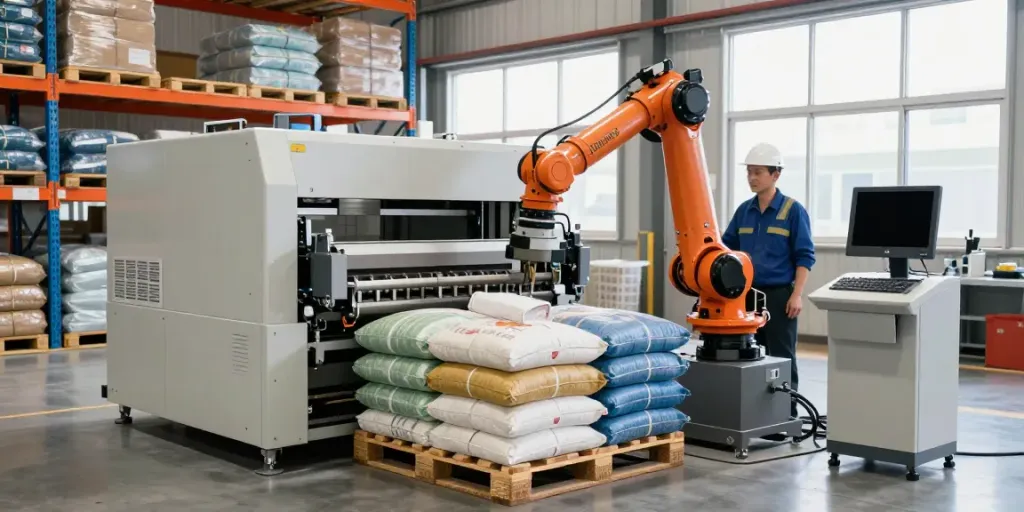
An automatic bag palletizer machine is an advanced piece of equipment designed to handle the palletizing process of bags without the need for manual intervention. Typically found at the end of packaging lines, these machines utilize robotic arms or mechanical systems to stack bags accurately and efficiently onto pallets. This technology is particularly advantageous for industries handling bulk products, such as food, chemicals, and building materials.
How an Automatic Bag Palletizer Works
The operation of an automatic bag palletizer can be broken down into several key stages. Initially, the machine awaits a batch of bags that are conveyed from the packaging line. Once in position, the palletizer uses sensors and programmed algorithms to identify the size and shape of each bag. It then engages its robotic arms to pick and place the bags onto the pallet in a pre-defined configuration, ensuring stability and maximizing space utilization.
Many modern models come equipped with additional features such as vision systems for quality control, custom stacking patterns, and integration capabilities with existing production lines, making them highly versatile and adaptable to diverse business needs.
Main Benefits for Businesses
- Increased Efficiency: By automating the palletizing process, businesses can significantly reduce cycle times, allowing for more bags to be processed per hour.
- Reduced Labor Costs: The need for manual palletizing is drastically diminished, resulting in lower labor expenses and minimized workplace injuries.
- Consistent Quality: Automated systems ensure that each pallet is loaded uniformly, reducing instances of damaged products and enhancing overall quality control.
- Scalability: Businesses can easily scale operations to meet growing demand without dramatically increasing labor costs or sacrificing efficiency.
- Space Optimization: Efficient stacking methods employed by these machines maximize space usage on pallets, resulting in more effective transportation and storage.
Choosing the Right Automatic Bag Palletizer Machine
Selecting the right automatic bag palletizer machine is critical for achieving operational efficiency. With numerous models available in the market, businesses must consider several factors to make an informed decision. By understanding your unique needs and the specific capabilities of different machines, you can ensure that you invest in a solution that maximizes your return on investment.
Factors to Consider When Selecting a Model
- Bag Size and Weight: Determine the maximum and minimum sizes and weights of the bags you will be palletizing to ensure the machine can accommodate them.
- Throughput Rate: Assess how many bags per hour your operations require to choose a model that meets or exceeds this threshold.
- Integration Capabilities: Consider how well the palletizer can integrate into your existing packaging line and other machinery.
- Ease of Operation: Look for machines with user-friendly interfaces and straightforward maintenance requirements to minimize downtime.
- Cost: Establish a budget that considers both the initial investment and ongoing operational costs.
Comparison of Leading Brands and Models
When comparing different brands and models of automatic bag palletizers, it is essential to analyze the technology, support services, and customer reviews. Leading manufacturers like Durzerd, Premier Tech, and Hamer offer machines with varying capabilities and specifications tailored to specific industry needs. Each brand has its strengths; therefore, reviewing case studies and testimonials can provide insights into how each model performs under real-world conditions.
Cost Analysis: Budgeting for Your Investment
The cost of an automatic bag palletizer machine can vary widely based on its specifications, features, and brand. Businesses should consider the total cost of ownership, which includes purchase price, installation, maintenance, and potential upgrades. It is also beneficial to evaluate the return on investment (ROI) in terms of labor savings and increased production efficiency. Many manufacturers offer financing options or leasing agreements, making it easier for businesses to budget for such equipment.
Maximizing Efficiency with Your Automatic Bag Palletizer Machine
Implementing an automatic bag palletizer machine is just the beginning. To fully leverage its potential, businesses must adopt best practices in operation and maintenance, ensuring optimal performance and longevity of the equipment.
Best Practices for Operation and Maintenance
- Regular Maintenance: Schedule routine inspections and maintenance tasks to prevent breakdowns and ensure smooth operation.
- Operational Training: Provide comprehensive training for staff to familiarize them with the machine’s functionalities and troubleshooting procedures.
- Monitor Performance: Use performance tracking software to analyze productivity data and identify areas for improvement.
- Update Software: Stay current with software updates provided by the manufacturer to enhance functionality and security.
Training Your Staff to Use the System
Investing in training for your staff is crucial when introducing any new machinery, including an automatic bag palletizer machine. Training should cover basic operations, advanced troubleshooting, and safety protocols. Furthermore, ongoing education can keep staff updated on any new features or enhancements and promote a culture of safety and efficiency within the workplace.
Integrating with Other Packaging Systems
An automatic bag palletizer should work seamlessly with other components of the packaging line, such as bagging machines and conveyor systems. This integration minimizes handling times and improves workflow efficiency. Businesses should consult with their equipment suppliers to explore options for connecting these machines, ensuring compatibility and optimal performance across the entire production process.
Real-World Applications and Case Studies
Automatic bag palletizer machines are utilized across various sectors, including food processing, pharmaceuticals, construction materials, and chemicals. Understanding how these systems have been successfully implemented can provide valuable lessons and inspire new applications.
Success Stories from Various Industries
For instance, a leading food packaging company reported a 30% increase in productivity after installing an automatic bag palletizer, allowing them to scale up production without adding significant labor costs. Similarly, a chemical manufacturer experienced enhanced safety and reduced spills, illustrating how automation can bring about substantial operational improvements.
Challenges Overcome Using Automatic Bag Palletizers
Despite their many benefits, businesses may encounter challenges when integrating automatic bag palletizers into existing operations. Common hurdles include the initial cost of investment, resistance to change from staff, and the need for precise alignment with current machinery. However, with effective planning, the right support, and a focus on employee training, these obstacles can be successfully navigated.
Impact on Productivity and Cost Savings
The implementation of automatic bag palletizers has a profound impact on productivity and cost savings. By automating the palletizing process, businesses can achieve higher throughput and maintain consistent quality, which translates into lower operational costs and improved profit margins. Companies that have adopted these machines often report a return on investment within two years, demonstrating their long-term financial viability.
The Future of Automatic Bag Palletizer Machines
As technology continues to evolve, so do the capabilities of automatic bag palletizer machines. Future advancements are expected to bring even greater efficiency, flexibility, and integration with artificial intelligence and machine learning capabilities.
Emerging Technologies in Bag Palletizing
Emerging technologies, such as smart sensors, predictive maintenance, and enhanced robotic systems, are transforming the capabilities of palletizers. These innovations not only improve handling speeds but also enhance the accuracy of bag placement, further ensuring stability during transport and storage.
Predictions for 2026 and Beyond
Looking ahead to 2026 and beyond, the demand for automatic bag palletizers is anticipated to grow as more businesses recognize the need for automation in achieving competitive advantages. Companies will likely seek machines that offer scalability and integration with existing logistics systems, further driving advancements in automation technology.
How to Stay Competitive in the Industry
To remain competitive in a rapidly evolving landscape, businesses must continuously evaluate their operational processes and invest in modern technologies, including automatic bag palletizer machines. Staying informed about industry trends, customer needs, and technological innovations will be essential for organizations looking to enhance efficiency and maintain their market position.