Understanding Recirculating Cooker Hoods
If you've ever found yourself in a kitchen without proper ventilation, you understand the challenges that come with it. Traditional ducted cooker hoods can be impractical in many UK homes, especially in flats or listed buildings where external wall access is limited. This is where a recirculating cooker hood with carbon filter becomes a game-changer, allowing you to enjoy cooking without the concern of odorous fumes and steam lingering in your kitchen. In this section, we'll explore what a recirculating cooker hood is and how it functions effectively in kitchens with diverse layouts.
What is a Recirculating Cooker Hood?
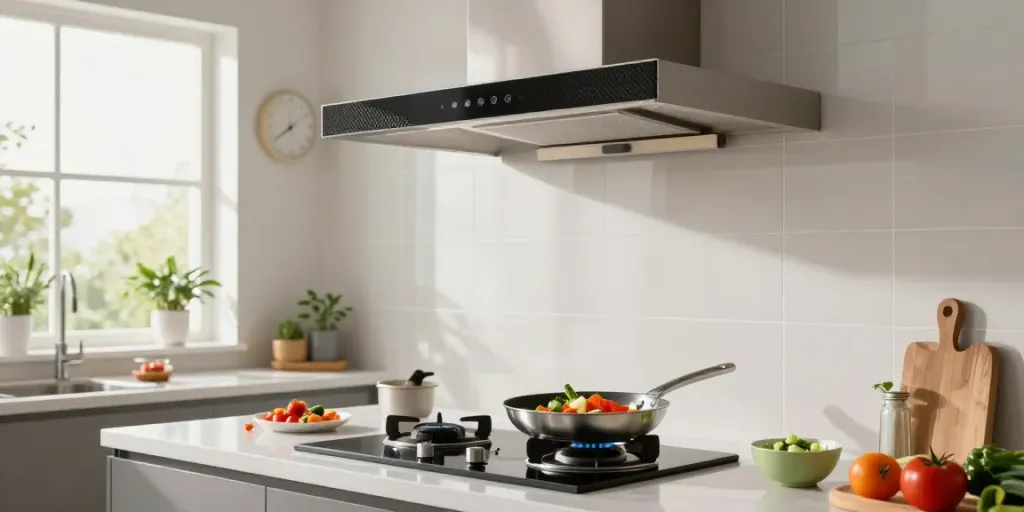
A recirculating cooker hood, often termed as a ductless hood, is an essential kitchen appliance for those who cannot install traditional hoods. Unlike ducted models that vent air outside, recirculating hoods draw in air filled with cooking vapors, grease, and odors, filter it, and then return the purified air back into the kitchen.
These hoods come equipped with vital components, including a grease filter and an activated carbon filter. The grease filter captures airborne grease, preventing it from settling on your kitchen surfaces, while the carbon filter absorbs odors and other harmful particles. This double filtration system is crucial in ensuring improved air quality, making these hoods ideal for various cooking styles.
Benefits of Using Carbon Filters
One of the standout features of recirculating hoods is the use of carbon filters. These filters are composed of activated carbon granules, which possess a porous structure. This unique makeup allows them to trap pollutants effectively, significantly enhancing indoor air quality.
- Odor Removal: Carbon filters excel at neutralizing strong odors generated during cooking, ensuring your kitchen remains fresh.
- Improved Air Quality: By filtering harmful particles, these hoods help create a healthier cooking environment, lowering the risk of respiratory issues.
- Versatility: Carbon filters can be used across various styles of recirculating hoods, providing homeowners a range of installation options to accommodate different kitchen setups.
How Do Recirculating Cooker Hoods Function?
Understanding the operational mechanics of a recirculating cooker hood can help you appreciate its value. Here’s a step-by-step breakdown of how these hoods work:
- Extraction: The hood draws in air that contains cooking fumes, smoke, and grease.
- Filtration: The air first passes through the grease filter, capturing oil and grease particles. It then moves into the activated carbon filter, which neutralizes odors and airborne pollutants.
- Recirculation: After filtration, the clean air is released back into the kitchen, improving air quality without the need for ducting.
Moisture Management in Your Kitchen
Alongside filtering odors and grease, recirculating hoods also play a role in managing moisture levels in the kitchen. This is particularly beneficial for homes with limited ventilation.
Do Recirculating Cooker Hoods Remove Moisture?
Yes, recirculating cooker hoods can help mitigate moisture levels while cooking. Their primary purpose is to filter out steam, grease, and other cooking residues, which can contribute to high humidity levels. By addressing excess moisture, these hoods help prevent mold and mildew buildup—common problems in kitchens that lack proper ventilation.
Comparing Ventilation Systems
When evaluating kitchen ventilation options, it's essential to compare the effectiveness of recirculating hoods to traditional ducted systems. While ducted hoods can remove air more efficiently, recirculating models offer flexibility and ease of installation without the need for structural alterations.
- Ducted Hoods: These are ideal for heavy-duty cooking and typically offer superior air extraction capabilities. They require external venting, which can be cumbersome to install in certain home layouts.
- Recirculating Hoods: Perfect for light to moderate cooking, they are easy to install, maintain, and often more affordable, making them a viable option for many urban homes.
Common Myths About Air Quality
There are several misconceptions regarding indoor air quality and recirculating hoods. One common myth is that ducted systems are always superior in air filtration. While they are efficient, recirculating hoods, particularly those equipped with high-quality carbon filters, can provide comparable results in terms of odor and pollutant removal.
Another myth is that all recirculating hoods are equally effective. In reality, the effectiveness largely depends on the quality of the filters used and the specific model of the hood. Therefore, it's crucial to choose models designed to accommodate your cooking style and kitchen layout.
Installation Insights for Homeowners
Installing a recirculating cooker hood can be a manageable DIY project for many homeowners. Understanding the different types of installations available can help you make an informed decision based on your kitchen layout.
Installation Types for Recirculating Hoods
There are several installation types to choose from, catering to varied kitchen designs:
- Integrated (Built-in): These hoods fit seamlessly into cabinets, offering a streamlined appearance. Ideal for modern kitchens where aesthetics are a priority.
- Island: Mounted above kitchen islands, these hoods provide 360-degree air capture, making them perfect for open-plan spaces.
- Wall-Mounted: Fixed to the wall above the hob, these hoods are simple to install, requiring minimal modifications.
Step-by-Step Installation Guide
Here’s a brief guide to installing a recirculating cooker hood:
- Choose the Location: Identify the best spot based on your cooking area.
- Secure the Bracket: Fix the mounting bracket securely to the wall or cabinet.
- Connect the Wiring: If your hood operates electrically, ensure that you safely connect the wiring.
- Install the Filters: Fit the grease and carbon filters as per the manufacturer's instructions.
- Power Up: Turn on the hood and check its operation.
Tools Needed for Installation
For a successful installation, you will typically need:
- Drill
- Screwdriver
- Measuring tape
- Wire connectors (if required)
- Safety goggles
Maintenance and Filter Management
Regular maintenance is crucial to ensuring the longevity and effectiveness of your recirculating cooker hood. This includes timely replacement of filters and cleaning of components.
How Often to Replace Carbon Filters?
Carbon filters generally need to be replaced every 3 to 6 months, depending on usage frequency. Heavy cooking, such as frying or grilling, may necessitate more frequent changes to maintain optimal performance.
Cleaning Grease Filters: Best Practices
Grease filters can typically be cleaned and reused, which is a cost-effective maintenance strategy. Here are some best practices:
- Soak in warm, soapy water to loosen grease buildup.
- Gently scrub with a non-abrasive sponge.
- Rinse thoroughly and allow to air dry before reinstallation.
Signs That Your Filters Need Attention
Watch for signs indicating that your filters require replacement or cleaning:
- Foul odors during cooking.
- Reduced airflow from the hood.
- Visible grease buildup on the filters.
Choosing the Right Cooker Hood for Your Needs
When selecting a recirculating cooker hood, consider your kitchen layout, cooking habits, and personal style preferences. Various models cater to different needs, ensuring that there's an option suitable for everyone.
Top Recommended Models from Ciarra
Ciarra offers a selection of recirculating cooker hoods designed to meet various culinary demands. Here are three top-rated models:
- Ciarra 52cm Integrated Cooker Hood: This sleek model integrates seamlessly into kitchen cabinetry for a minimalist look, featuring an efficient carbon filter.
- Ciarra Smart Island Cooker Hood: Perfect for island setups, this model combines stylish design with effective airflow management.
- Ciarra 60cm White Angled Cooker Hood: An ergonomic choice that enhances headroom while maximizing extraction efficiency.
Considerations for Different Kitchen Layouts
When considering a recirculating cooker hood, think about:
- The size and shape of your kitchen.
- Your cooking frequency and type (e.g., heavy frying vs. light simmering).
- Design preferences that complement your kitchen decor.
Future Trends in Kitchen Ventilation Systems
As kitchen design evolves, so do ventilation systems. Future trends may focus on:
- Increased energy efficiency with smart technology integration.
- Advanced filtration systems that further minimize airborne particles.
- Designs that blend seamlessly into the kitchen environment, making the functional stylish.
Final Thoughts
As kitchens continue to serve as the heart of the home, maintaining a fresh and pleasant cooking environment is paramount. A recirculating cooker hood with a carbon filter offers a practical and stylish solution, adept at managing air quality without external ducting. With an understanding of installation, maintenance, and the benefits of choosing the right model, you can enjoy cooking while keeping your space clean and inviting.
Whether you live in a compact flat or a sprawling home, these innovative hoods are designed to enhance your culinary experience while catering to modern kitchen needs. With a focus on quality and design, Ciarra's range of products stands out, promising performance without compromising on style.