Understanding Septic Systems and Their Importance
Septic systems play a crucial role in managing wastewater for households not connected to municipal sewage systems. Properly functioning septic systems treat and dispose of waste effectively, ensuring both environmental protection and public health. Homeowners must understand how these systems operate and the importance of regular maintenance to prevent costly repairs and ensure compliance with local regulations. For in-depth insights, https://Www.socalseptics.com offers valuable resources and services tailored to septic system management.
What is a Septic System?
A septic system is an underground wastewater treatment system commonly found in rural and suburban areas. It consists of a septic tank, a drain field, and the necessary plumbing to facilitate the treatment process. Wastewater from the home flows into the septic tank, where it undergoes initial treatment. Solids settle at the bottom, forming sludge, while lighter materials float to the top, creating scum. The partially treated liquid then moves into the drain field, where further filtration and treatment occurs in the soil.
Components of a Septic System
Understanding the key components of a septic system is essential for effective maintenance:
- Septic Tank: A watertight container that holds wastewater long enough for solids to settle and for anaerobic bacteria to break down the waste.
- Drain Field: A network of perforated pipes buried in gravel-filled trenches that allows treated wastewater to percolate into the soil.
- Soil: Acts as a natural filter, further treating the effluent before it reenters the groundwater.
- Inlet and Outlet Pipes: Pipes that connect the home’s plumbing to the septic tank and from the tank to the drain field, respectively.
Benefits of Proper Maintenance
Regular maintenance of a septic system can significantly extend its lifespan and efficiency. Some benefits include:
- Cost Savings: Preventing a system failure can save homeowners from expensive repairs or replacements.
- Environmental Protection: Properly functioning systems reduce the risk of groundwater contamination.
- Health Benefits: Regular maintenance helps prevent the spread of pathogens associated with untreated sewage.
Common Issues Homeowners Face with Septic Systems
Even the most well-maintained septic systems can experience issues that homeowners should be aware of. Recognizing the symptoms early can prevent more significant problems.
Signs Your Septic System Needs Attention
Homeowners should watch for these signs indicating a potential issue:
- Unpleasant odors near the septic tank or drain field.
- Pooling water or lush vegetation over the drain field.
- Slow drains in the home.
- Backups in sinks, toilets, or bathtubs.
Common Misconceptions About Septic Tanks
There are several misconceptions about septic systems that can lead to improper care:
- Many believe that septic tanks never need maintenance; in reality, they need regular pumping.
- Some homeowners think they can flush anything down the toilet, but only wastewater and biodegradable materials should be disposed of in this manner.
Impact of Neglected Maintenance
Neglecting septic system maintenance can lead to severe consequences. Clogged systems can cause sewage backups into homes, leading to hazardous health conditions. Over time, untreated waste can leach into the soil and waterways, causing environmental harm and potentially hefty fines for homeowners, as many jurisdictions enforce strict regulations regarding waste disposal.
Best Practices for Maintaining Your Septic System
Adhering to best practices for septic system maintenance is fundamental for longevity and efficiency. Consistent attention to your system can avert many common problems.
Routine Inspections and Pumping
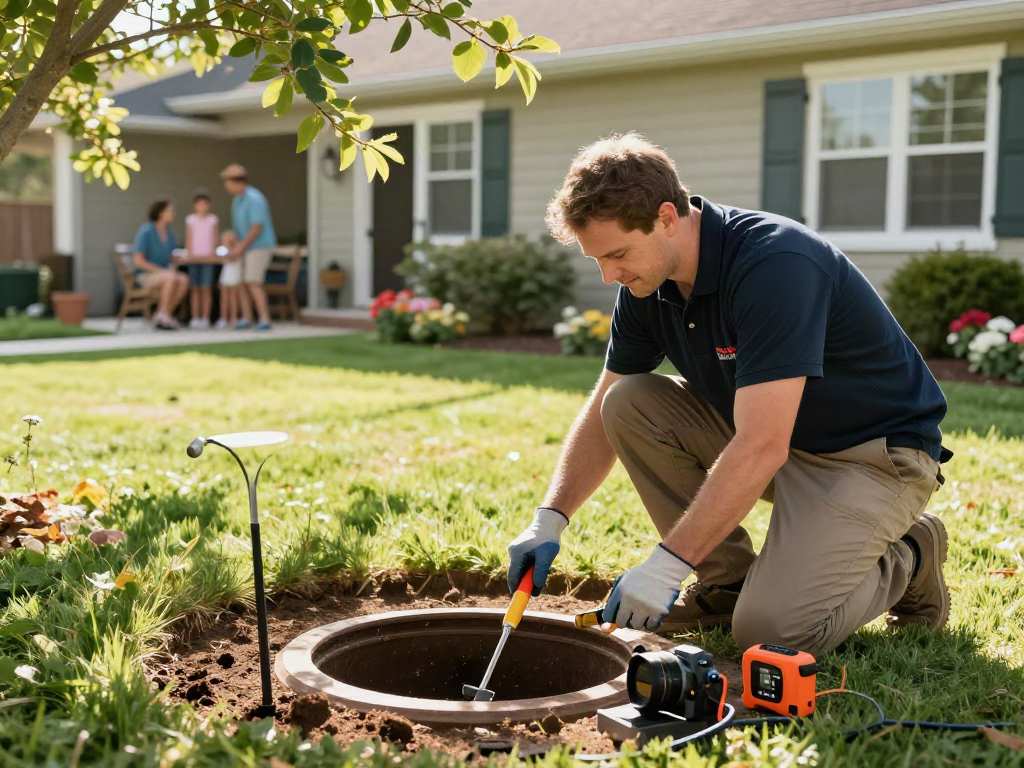
Having a professional inspect your septic system every 1 to 3 years is essential. Pumping the tank every 3 to 5 years is recommended depending on usage and household size. Regular inspections can catch issues before they escalate, ensuring your system operates effectively and efficiently.
DIY Maintenance Tips for Homeowners
Homeowners can take several proactive measures to maintain their septic systems:
- Limit the use of harsh chemicals that can disrupt the bacterial ecosystem in the tank.
- Avoid flushing non-biodegradable items such as wipes or feminine hygiene products.
- Conserve water to reduce the load on the septic system.
Choosing the Right Maintenance Service
Selecting a qualified septic service provider is crucial for effective system maintenance. Look for certified professionals with positive reviews who can provide a detailed service plan tailored to your system's needs.
Advanced Solutions for Septic System Problems
As technology evolves, so too do solutions for septic system issues. Homeowners should be informed about the latest advancements in the industry.
Identifying and Resolving Drainage Issues
Drainage problems can stem from various factors, including soil saturation and pipe blockages. Homeowners should be aware of signs like pooling water and persistent odors. Innovative technologies, such as advanced drain field designs, can mitigate these issues effectively.
Innovative Technologies in Septic System Management
Emerging technologies, such as smart monitoring systems, allow homeowners to track their septic system’s performance in real-time. These systems can provide alerts for maintenance needs, potentially preventing failures before they occur.
Professional Repair and Installation Options
When repairs or replacements become necessary, homeowners should consider eco-friendly alternatives. Advanced septic systems, including aerobic treatment units and constructed wetlands, offer sustainable options for waste management.
Future Trends in Septic System Technologies (2026 and Beyond)
As we look towards the future, the septic industry is poised for significant advancements that will focus on sustainability and efficiency.
Emerging Technologies in Waste Management
New technologies are being developed to enhance the effectiveness of septic systems. Innovations in biofiltration and anaerobic digestion can lead to improved treatment solutions that are environmentally friendly.
Regulatory Changes and Their Impact on Homeowners
As environmental concerns grow, regulations surrounding septic systems are expected to tighten. Homeowners must stay informed about changes that may affect their systems, including new requirements for inspections and effluent standards.
Predictions for Septic System Innovations
Looking forward, we can anticipate advancements such as modular septic systems, which provide flexibility and efficiency in various settings, including small lots. Additionally, the integration of renewable energy sources could power septic system operations, making them more sustainable.
What maintenance does a septic system require?
A septic system requires routine pumping, inspections, and minimal maintenance practices from homeowners, such as water conservation and proper waste disposal.
How often should I pump my septic tank?
Pumping frequency can depend on tank size and household usage, but it’s generally recommended every 3 to 5 years.
Can I plant trees near my septic system?
Planting trees too close to a septic system can be problematic. Roots can invade pipes and damage the system, so it’s best to keep large plants at a safe distance.
What are the signs of a failing septic system?
Signs of a failing septic system include slow drains, unusual odors, and wet spots in the yard.
How can I prevent septic system problems?
Preventative measures include regular inspections, responsible waste disposal, and conserving water to reduce stress on the system.