Understanding Precision CNC Machining Services
Precision CNC machining is a cornerstone of modern manufacturing, where high accuracy and repeatability are essential for producing complex parts. Since 2003, Honscn has been at the forefront of this industry, delivering exceptional precision cnc machining supplier services to a diverse range of sectors. This article delves deeply into the nuances of CNC machining, the factors to consider when selecting a supplier, common challenges faced in the industry, and future trends shaping this vital field.
What is Precision CNC Machining?
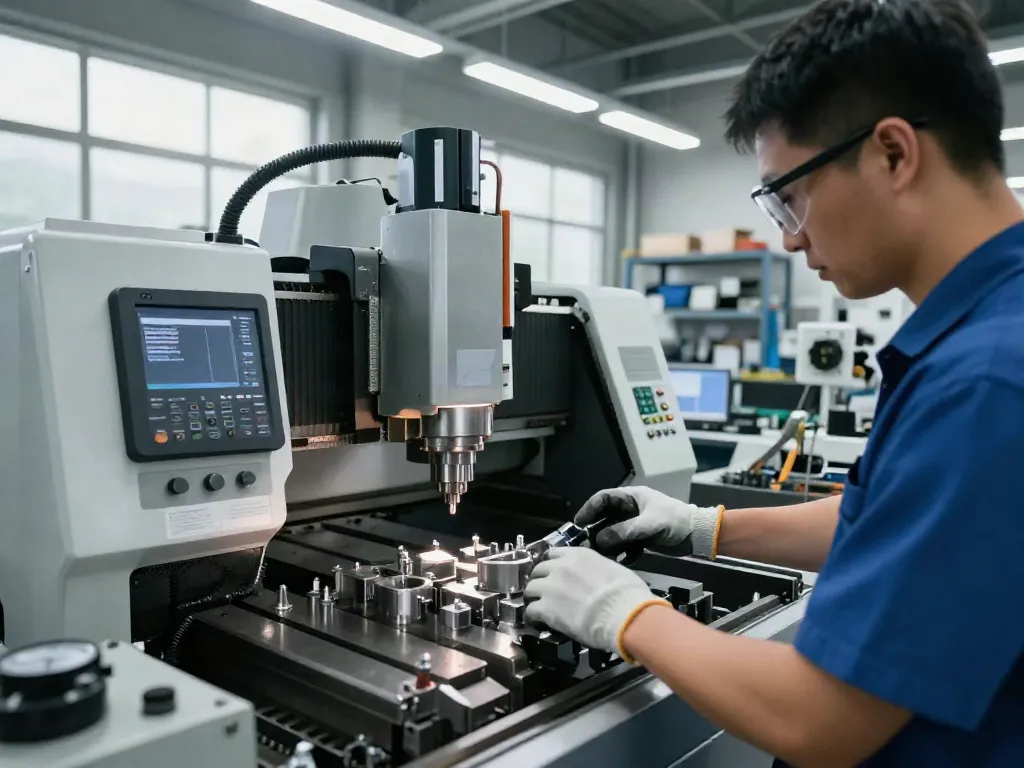
Precision CNC (Computer Numerical Control) machining refers to the automated process of manufacturing parts with highly precise dimensions and tolerances. Utilizing computer-controlled machines, this technology allows for accurate cutting, milling, and turning of materials like metal, plastic, and wood. The goal of precision CNC machining is to achieve repeatable processes that deliver parts which meet the tight specifications often required in industries such as aerospace, automotive, and medical.
The Importance of CNC Machining in Manufacturing
CNC machining plays a critical role in contemporary manufacturing by facilitating the production of intricate parts that are consistent in quality and fit. Its importance is highlighted by:
- High Precision: CNC machines can produce parts with tolerances as tight as ±0.001 inches.
- Increased Efficiency: Automated processes reduce production time and labor costs.
- Flexibility: CNC machines can be easily reprogrammed for different tasks, allowing manufacturers to pivot quickly to meet market demands.
- Scalability: Producing small to large batches can be accomplished with minimal adjustments.
Key Processes in Precision CNC Machining
The key processes in CNC machining include:
- CNC Milling: This involves the use of rotating cut tools to remove material from a workpiece, appropriate for creating complex shapes.
- CNC Turning: The workpiece is rotated against a stationary cutting tool to produce round parts, ideal for shafts or cylindrical components.
- Wire EDM (Electrical Discharge Machining): A specialized process used to cut hard materials with high precision by using electrical discharges.
- 3D Printing Integration: Combining CNC machining with additive manufacturing techniques for more complex geometries.
Choosing the Right Precision CNC Machining Supplier
Selecting an appropriate CNC machining supplier is vital to ensure the success of your manufacturing projects. Here are key factors to consider:
What to Look for in a CNC Machining Supplier?
When assessing potential suppliers, consider the following criteria:
- Experience and Expertise: Suppliers with a robust history in CNC machining can better navigate technical challenges.
- Technology and Equipment: Look for suppliers who maintain up-to-date machinery and software to handle complex projects.
- Certifications: Suppliers should hold relevant ISO certifications to ensure they conform to quality management standards.
- Customer Reviews and References: Satisfied customers can offer insights into reliability and service quality.
Comparing Pricing Models Among Suppliers
Pricing structures can vary significantly between CNC machining suppliers. It is essential to understand common pricing models, such as:
- Cost per hour: Many shops charge based on machine operation time.
- Project-based pricing: Some suppliers offer a flat rate for specific projects.
- Volume discounts: Larger orders often have lower per-unit costs, which incentivizes bulk ordering.
Evaluating Quality Assurance Practices
Quality assurance is crucial in CNC machining. Ensure the supplier implements:
- Routine inspections: Regular checks to verify dimensional accuracy and material quality.
- Testing protocols: Procedures for mechanical and performance testing on produced parts.
- Traceability: The ability to track the manufacturing process of parts to identify any quality issues quickly.
Challenges in Precision CNC Machining
Despite its advantages, CNC machining isn’t without challenges. Understanding these can help managers anticipate problems and find solutions.
Common Misconceptions about CNC Machining
Common misconceptions include:
- CNC machining is entirely automated: While automation reduces manual labor, skilled operators are essential for overseeing the process and troubleshooting issues.
- All machining is similar: Different materials and applications require distinct machining techniques and considerations.
Overcoming Technical Challenges and Limitations
Technical challenges in CNC machining can arise from:
- Material properties: Different materials behave differently under machining processes, affecting outcomes.
- Complex geometries: Intricate designs may require advanced techniques and equipment, which need careful planning and skilled operators.
Addressing Client Expectations
Clients often have high expectations for delivery time, cost, and quality. Clear communication and setting realistic timelines are essential. Regular updates about project status can help manage expectations effectively.
Best Practices for CNC Machining Projects
Implementing best practices can significantly enhance the outcomes of CNC machining projects. Here are some steps to consider:
Steps to Ensure Accurate CNC Machining Results
To achieve accurate results in CNC machining, companies should:
- Develop comprehensive CAD designs: High-quality designs will allow for smoother transitions from design to machining.
- Conduct thorough prototyping: Testing a prototype can uncover potential issues before full-scale production.
Integrating Advanced Technology in Machining
Embracing advanced manufacturing technologies such as IoT (Internet of Things) and AI can optimize processes, enhance productivity, and reduce downtime. Predictive maintenance analytics can help anticipate equipment failures before they occur.
Real-world Applications and Case Studies
Various industries utilize CNC machining. Examples include:
- Aerospace: Manufacturers produce lightweight yet strong components for aircraft using advanced CNC techniques.
- Automotive: CNC machining helps in creating precise engine parts that meet stringent safety standards.
- Medical devices: High precision is crucial in manufacturing surgical instruments and implants that require exact specifications.
Future Trends in CNC Machining (2026 and Beyond)
The future of CNC machining is poised for significant changes driven by technology and market needs. Understanding these trends will be crucial for companies looking to remain competitive.
Emerging Technologies Shaping CNC Machining
Key emerging technologies include:
- AI and machine learning: Enhancing predictive capabilities for better maintenance and operations.
- 5-axis machining: Allowing for more complex shapes and reducing setup time dramatically.
The Role of AI and Automation in Machining
AI applications in CNC machining can lead to enhanced production workflows, improved quality control, and reduced waste. Automation will allow suppliers to meet tighter deadlines while minimizing human error.
Preparing for Industry Changes in CNC Machining
Companies must remain adaptable and be willing to invest in training personnel in the latest CNC technologies and practices. Staying updated with industry standards and customer needs will also be paramount.
What is the average cost of CNC machining services?
The cost of CNC machining services can vary widely depending on various factors, including complexity, materials, and production volume. Generally, prices can range from $50 to $150 per hour, with additional setup fees depending on the project specifics.
How can I find a reliable precision CNC machining supplier?
Finding a reliable supplier involves researching options, reading reviews, and assessing quality certifications. Engaging in initial consultations can also provide useful insights into their capabilities and approach to quality assurance.
What industries benefit the most from CNC machining?
CNC machining services are particularly beneficial in industries such as aerospace, automotive, medical, electronics, and defense, where precision and quality are critical to success.