The Importance of Local Food Cooperatives
Local food cooperatives play a pivotal role in fostering community resilience and ensuring equitable access to healthy food options. They serve not only as places to obtain fresh produce but also as hubs for education, social interaction, and collective empowerment. In environments where food deserts persist and access to organic produce is limited, these cooperatives provide a vital service, strengthening local economies and enhancing food security.
When exploring options, springshall.org offers insights into how community initiatives are transforming food access for residents in the Sonoma Valley. This unique approach to food distribution highlights the interconnectedness of local agriculture and community well-being.
Why Community Food Cooperatives Matter
Food cooperatives are rooted in the principle of collective ownership and shared benefits, which sets them apart from traditional food retailers. They empower community members by providing them a platform to take charge of their food systems, which can help create a direct link between local farmers and consumers. This model not only supports local agriculture but also encourages sustainable practices by prioritizing environmentally friendly farming methods.
Moreover, food cooperatives often prioritize inclusivity and accessibility, ensuring that low-income families and marginalized communities can afford healthy options. By offering sliding scale pricing or community-supported agriculture (CSA) programs, cooperatives help alleviate barriers to food access, creating a more equitable food system.
Benefits of Supporting Local Agriculture
Supporting local agriculture through food cooperatives yields numerous benefits, including:
- Strengthened local economies: Purchasing from local farms keeps money within the community and supports local jobs.
- Reduced carbon footprint: Local produce transport requires less fuel, minimizing greenhouse gas emissions.
- Improved health outcomes: Access to fresh, seasonal, and organic foods promotes better nutrition and health.
- Strengthened community ties: Collaborative efforts in food production and distribution foster social connections and a sense of shared purpose.
How Cooperatives Promote Healthy Eating
Local food cooperatives often engage in educational initiatives that empower community members to make informed dietary choices. Workshops on cooking, nutrition, and sustainable farming practices are commonplace, enhancing participants' awareness of how their food choices impact their health and their environment.
Furthermore, many cooperatives provide resources like recipe guides and meal-planning tips, making healthy eating more accessible and practical for busy families. By promoting a culture of health and sustainability, these cooperatives play a significant role in shaping community health behaviors.
Recent Events at Sonoma Springs Hall
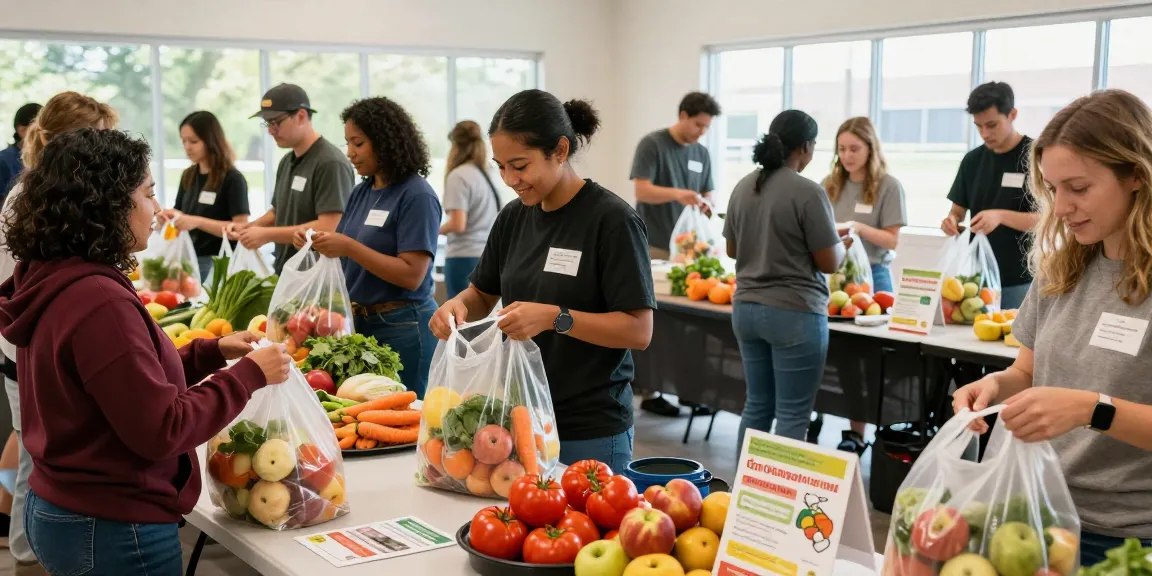
Sonoma Springs Hall has been a vital venue for various food distribution events, serving as a beacon of hope for those in need. The Hall continues to host gatherings focused on educating the community while providing essential food resources. Recent efforts showcase the collaborative spirit of local agriculture and community support.
Highlights from the Latest Food Distribution
One of the recent food distributions organized at Sonoma Springs Hall was a remarkable success, thanks to the hard work of local volunteers and partnerships with farms like Oak Hill Farm and Paul’s Produce. During this event, more than 400 packages of fresh, organic produce were distributed, including an array of vegetables and fruits that are positively received by families in need.
Valuable staples such as beans, flour, and household essentials were also made available, ensuring that participants received not just fresh produce but also the necessary ingredients to prepare nutritious meals.
Volunteering Opportunities and Community Involvement
Community involvement is crucial for the success of initiatives at Sonoma Springs Hall. Individuals interested in making a difference are encouraged to volunteer. Opportunities range from helping with food distribution to organizing educational workshops aimed at promoting nutritional awareness.
Engaging with the community through volunteerism not only assists in immediate needs but also fosters a sense of belonging and commitment among participants, creating a network of support that can be called upon in times of need.
Connecting Local Farmers and Community Members
Food distribution events at the Hall also serve to strengthen the connections between local farmers and community members. By facilitating exchanges where farmers can directly engage with customers, these events help promote transparency and trust in the food supply chain.
Moreover, such interactions allow consumers to gain insights into sustainable farming practices and the importance of supporting local agriculture. This relationship-building plays a crucial role in cultivating a supportive community that values both food quality and local economy.
Understanding Food Access Challenges
Despite the positive efforts behind food cooperatives, numerous challenges exist that impede access to healthy food for many individuals in Sonoma Valley. Recognizing these barriers is essential for developing effective solutions that promote food security for all community members.
Barriers to Healthy Food Availability
Factors such as economic disparities, transportation issues, and lack of knowledge about nutrition often contribute to food insecurity. Many families struggle to afford organic produce, while others may not have reliable transportation to access food co-ops or farmers' markets.
Additionally, some community members may lack information on preparing healthy meals from fresh ingredients, further complicating the issue of food access. These challenges necessitate targeted outreach and education, which are pivotal for improving community health outcomes.
Educational Programs on Nutrition and Sustainable Practices
At Sonoma Springs Hall, educational initiatives aim to equip community members with the necessary tools to overcome these barriers. Programs covering topics such as cooking demonstrations, budgeting for healthy meals, and the nutritional benefits of local produce are regularly scheduled.
By empowering individuals with knowledge, these programs help shape a culture of health and wellness within the community, enabling people to make informed food choices that benefit themselves and the environment.
How Springs Hall Addresses Food Insecurity
Through partnerships with organizations like Sonoma Overnight Support (SOS) and Food For All, Springs Hall has established a multifaceted approach to combatting food insecurity. The Hall serves as a distribution point for essential food supplies, providing hot meals and access to fresh produce to community members facing hardships.
This commitment to addressing food insecurity not only meets immediate needs but also lays the groundwork for long-term solutions that promote sustainability and resilience within the community.
Get Involved with Sonoma Springs Community Hall
Community participation is the lifeblood of initiatives like those at Sonoma Springs Hall. Whether through volunteering time, donating resources, or participating in local programs, there are many ways to make a positive impact.
Ways to Participate in Local Initiatives
Volunteering is a valuable way to support the various programs at Sonoma Springs Hall. Opportunities exist for individuals to assist during food distributions, help with educational workshops, and participate in outreach initiatives that aim to raise awareness about food access issues.
Individuals can also consider forming partnerships with local organizations to expand the scope and reach of initiatives aimed at promoting healthy eating and sustainable farming practices.
How Donations Support Local Farmers and Families
Donations to the Springs Hall are crucial for maintaining and expanding food access initiatives. Contributions directly support local farmers, ensuring they can continue growing produce despite economic challenges.
Furthermore, donations help cover the costs associated with food distributions, educational programs, and community engagement efforts, allowing Springs Hall to fulfill its mission of promoting healthy, sustainable food access for all.
Joining the Springs Hall Community Network
By joining the Springs Hall community network, individuals become part of a larger movement aimed at transforming food systems and fostering community resilience. Engaging with fellow members not only inspires personal growth but also strengthens the collective efforts to overcome food access challenges.
Membership provides access to exclusive resources, workshops, and events, ensuring that individuals are equipped with the information they need to thrive while contributing to a healthier community.
Future Trends in Community Food Initiatives
As the landscape of food cooperatives continues to evolve, several trends are emerging that promise to reshape the way communities access and interact with food systems. Understanding these trends can help individuals and organizations prepare for the future of food accessibility.
Innovations in Local Food Distribution
Technological advancements are playing a key role in transforming food distribution models. From mobile apps that connect consumers directly with local farmers to online platforms that streamline the purchasing and distribution process, innovations are making local food more accessible than ever.
Community-supported agriculture (CSA) programs are also evolving, providing flexible subscription models that cater to diverse consumer needs. These innovations not only increase access but also engage younger generations in sustainable agriculture.
Predicted Developments for Food Cooperatives by 2026
By 2026, food cooperatives are expected to become even more integrated into the local economy, with enhanced partnerships between farmers, retailers, and community organizations. Increased focus on sustainable practices will likely drive funding and investment into initiatives aimed at reducing waste and promoting environmentally friendly farming.
Furthermore, as public awareness surrounding food sovereignty and security grows, there will likely be greater community participation in the governance of food systems, ensuring that they remain accountable to the needs of residents.
The Role of Technology in Enhancing Food Access
In the future, technology will continue to enhance food access through improved logistics, data analytics, and consumer engagement strategies. Innovative platforms will facilitate better communication between farmers and consumers, driving demand for local produce while simultaneously addressing supply chain inefficiencies.
Moreover, advancements in agricultural technology, including precision farming and urban agriculture solutions, will empower local farmers to maximize yields while minimizing environmental impacts, ultimately benefiting the community as a whole.
What are the benefits of joining a food cooperative?
Joining a food cooperative offers numerous advantages, including access to fresh, organic produce, a sense of community, and the ability to support local farmers. Additionally, members often benefit from educational resources and collectively established pricing, making healthy food more accessible.
How can I support Sonoma Springs Hall's food programs?
Support can be provided in various forms: volunteering time, donating funds, participating in food distribution events, or spreading awareness about the programs offered. Each contribution plays a crucial role in sustaining the Hall’s initiatives and improving food access for the community.
What are the upcoming events at springshall.org?
Upcoming events can include food distributions, community engagement workshops, and educational seminars. Check the website regularly for the latest updates and schedules to stay informed about ways to get involved and support local initiatives.
How do local food cooperatives impact the community?
Local food cooperatives significantly enhance community health by facilitating access to nutritious food, building stronger bonds among residents, and supporting local economies. They foster a culture of sustainability while promoting education around food issues, ultimately driving positive change in the community.
What challenges do food cooperatives face today?
Despite their many benefits, food cooperatives often encounter challenges such as economic viability, competition from larger grocery chains, and the need for ongoing community engagement. Addressing these challenges requires innovative thinking and collaborative approaches to continue meeting the needs of the community effectively.