Understanding Nyonya4D Culture
Nyonya4D culture, an intricate tapestry woven from the threads of Chinese and Malay traditions, encapsulates the unique heritage of the Peranakan people. This vibrant culture showcases a fascinating blend of influences, particularly in its distinct culinary practices, traditional attire, and artistic expressions. As we delve deeper into the essence of Nyonya4D, it becomes crucial to understand the complexity of its historical significance and contemporary relevance. By exploring the roots and developments of Nyonya4D, we can appreciate the profound impact it has on cultural identity and community bonding. For those interested in further insights, resources can be found at nyonya4d.
What is Nyonya4D?
Nyonya4D refers to the cultural practices, beliefs, and traditions of the Peranakan community, which emerged from the intermarriage of Chinese immigrants and local Malays in Southeast Asia, particularly in Malaysia and Singapore. The term 'Nyonya' pertains to the women of this community, while '4D' signifies the dynamic and diverse elements that characterize their way of life. This culture is celebrated for its unique culinary delights, vibrant costumes, and intricate craftsmanship, contributing to its rich heritage that continues to thrive today.
The Historical Significance of Nyonya4D
The historical roots of Nyonya4D can be traced back to the 15th century when Chinese traders and immigrants began to settle in the Malay Archipelago. Their interactions with local Malays led to the creation of a hybrid culture that preserves elements from both traditions. Over the centuries, the Nyonya community developed a unique identity that became integral to the cultural landscape of Southeast Asia. Significant historical events, including colonization and migration patterns, have shaped Nyonya4D, making it a vital area of study for understanding cultural evolution in the region.
Common Misconceptions about Nyonya4D
Despite its rich heritage, Nyonya4D is often misunderstood. Many people equate Nyonya culture solely with its culinary aspects, overlooking its comprehensive influence on fashion, art, and social practices. Others mistakenly believe that it is a dying culture, failing to recognize the vibrant community efforts aimed at preserving and revitalizing these traditions. Addressing these misconceptions is crucial for fostering a deeper appreciation of Nyonya4D culture.
Key Elements of Nyonya4D Traditions
Traditional Attire and Its Symbolism
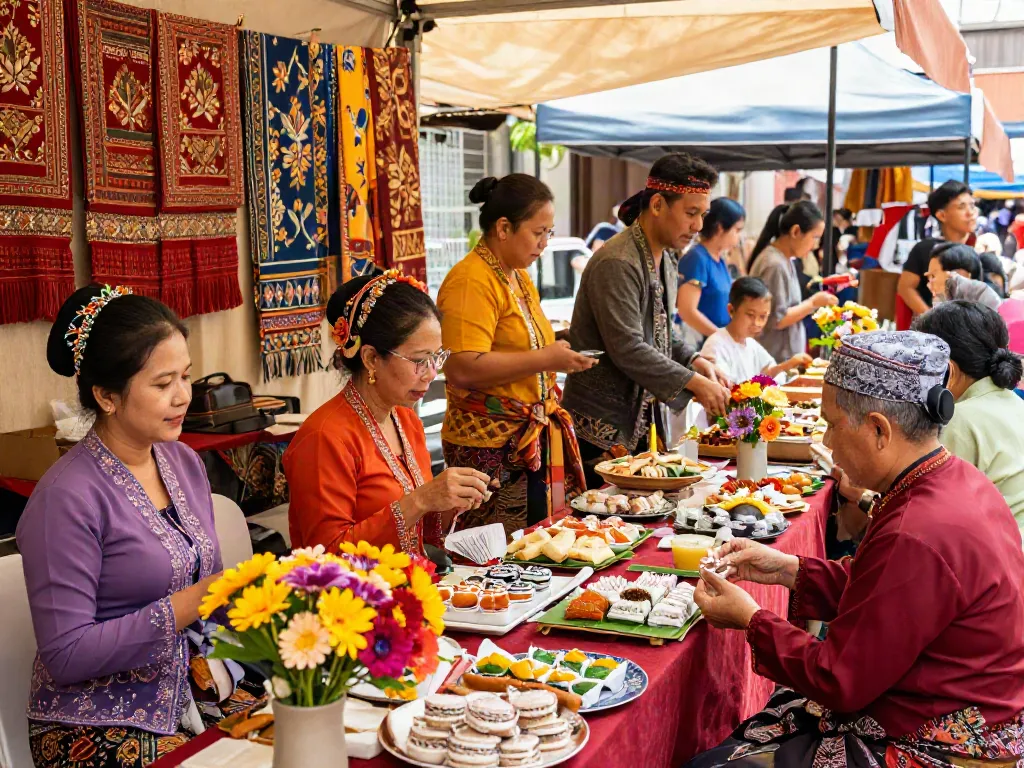
The traditional attire of the Nyonya, known as the kebaya, is not only a fashion statement but also a symbol of cultural pride. Typically made from lightweight fabrics adorned with intricate embroidery, the kebaya emphasizes elegance and grace. Each color and design carries meanings that reflect the wearer's personality and social status. Additionally, accessories such as the batik sarong and traditional kerongsang (brooches) further enhance the visual narrative of Nyonya identity.
Culinary Delights: What You Need to Know
Nyonya cuisine is celebrated for its bold flavors and aromatic spices, often characterized by a balance of sweet, sour, and spicy elements. Signature dishes such as laksa, rendang, and kuih reflect the community's culinary ingenuity. Ingredients like coconut milk, lemongrass, and shrimp paste are staples that showcase the unique fusion of Chinese and Malay influences. For food enthusiasts, exploring Nyonya culinary experiences is essential to understanding the culture deeply.
Arts and Crafts in Nyonya4D
The artistic expression in Nyonya4D extends to various crafts, including pottery, embroidery, and beadwork. These crafts are not merely functional but hold cultural significance, often telling stories of heritage and identity. The intricate designs found in Nyonya porcelain and textiles, for instance, reveal a wealth of knowledge passed down through generations, showcasing the artisans' skills and dedication.
Challenges in Preserving Nyonya4D Heritage
Identifying Threats to Cultural Heritage
Despite its rich heritage, Nyonya4D faces numerous challenges in preservation. Rapid urbanization, globalization, and changing lifestyles pose significant threats to the transmission of cultural practices. Many younger members of the community are more inclined towards modern influences, often at the expense of traditional customs. Recognizing these threats is the first step toward maintaining the cultural integrity of Nyonya4D.
Impact of Globalization on Nyonya4D
Globalization presents both opportunities and challenges for Nyonya4D culture. While it facilitates cultural exchange and awareness, there is also the risk of cultural erosion. Traditional practices may be diluted as global trends overshadow local customs. The challenge lies in balancing the benefits of globalization with the need to preserve the authenticity of Nyonya heritage.
Community Efforts to Preserve Traditions
In response to the challenges faced, various community initiatives have emerged to revitalize and promote Nyonya4D culture. Workshops, cultural festivals, and educational programs play an essential role in engaging younger generations. Additionally, collaborations with local artisans and cultural organizations foster a sense of pride and commitment to maintaining cultural practices. Community-driven efforts are critical in ensuring that Nyonya4D continues to thrive.
Best Practices for Engaging with Nyonya4D
Participating in Cultural Events Safely
Participating in Nyonya4D cultural events can be a fulfilling experience, but it's essential to engage respectfully. Observing and adhering to event protocols, dressing appropriately, and understanding the cultural significance of activities can enhance the experience. It's advisable to participate in community-led events that promote authenticity and respect for traditions.
Respecting Traditions While Modernizing
As society evolves, adapting traditions without losing their essence is vital. Innovations that incorporate modern elements can attract younger audiences while retaining core values. For instance, contemporary fashion designers can reinterpret traditional kebayas, making them accessible and appealing to a broader audience while honoring their origins.
How to Support Local Artisans Effectively
Supporting local artisans is crucial for the sustainability of Nyonya4D culture. Purchasing handcrafted items, attending workshops, and promoting local art fairs can significantly impact artisans' livelihoods. Additionally, sharing their stories and creations through social media can help raise awareness and appreciation for their craft.
Future of Nyonya4D Culture in 2026
Emerging Trends and Innovations
Looking ahead to 2026, Nyonya4D culture is likely to continue evolving with emerging trends. The rise of digital platforms will offer new avenues for cultural expression, allowing artisans to reach global audiences. Furthermore, fusion cuisines and innovative fashion can bridge traditional and contemporary aesthetics, attracting a diverse demographic.
The Role of Technology in Cultural Preservation
Technology will play an instrumental role in the preservation and promotion of Nyonya4D culture. Digital archiving, online tutorials, and virtual reality experiences can provide immersive insights into cultural practices. This technological integration may offer younger generations engaging ways to connect with their heritage, fostering a renewed interest in Nyonya4D traditions.
Predictions for Nyonya4D’s Influence Globally
As Nyonya4D culture gains recognition, its influence may extend beyond Southeast Asia. Global culinary events, cultural exhibitions, and collaborations with international designers may establish Nyonya4D as a symbol of rich cultural heritage. With a growing emphasis on sustainable and ethical practices, Nyonya4D could become a model for cultural preservation in the face of globalization.
What are the roots of Nyonya4D culture?
The roots of Nyonya4D culture lie in the historical interactions between Chinese immigrants and local Malays, resulting in a unique blend of customs, languages, and practices that define the Peranakan community today.
How can I participate in Nyonya4D events?
Participating in Nyonya4D events can be done by attending local festivals, engaging in workshops, and exploring cultural exhibitions that celebrate this vibrant community's heritage.
What culinary experiences are essential to Nyonya4D?
Essential culinary experiences include tasting signature dishes such as laksa, nasi ulam, and various types of kuih, reflecting the rich flavors and traditions of Nyonya cuisine.
Why is preserving Nyonya4D culture important?
Preserving Nyonya4D culture is crucial for maintaining cultural diversity, fostering community identity, and passing down traditions to future generations, ensuring that this unique heritage does not fade away.
What are the challenges faced by Nyonya4D artisans?
Nyonya4D artisans face challenges such as limited market access, the threat of mass-produced alternatives, and the need for sustainable practices to ensure their crafts remain viable in a rapidly changing environment.