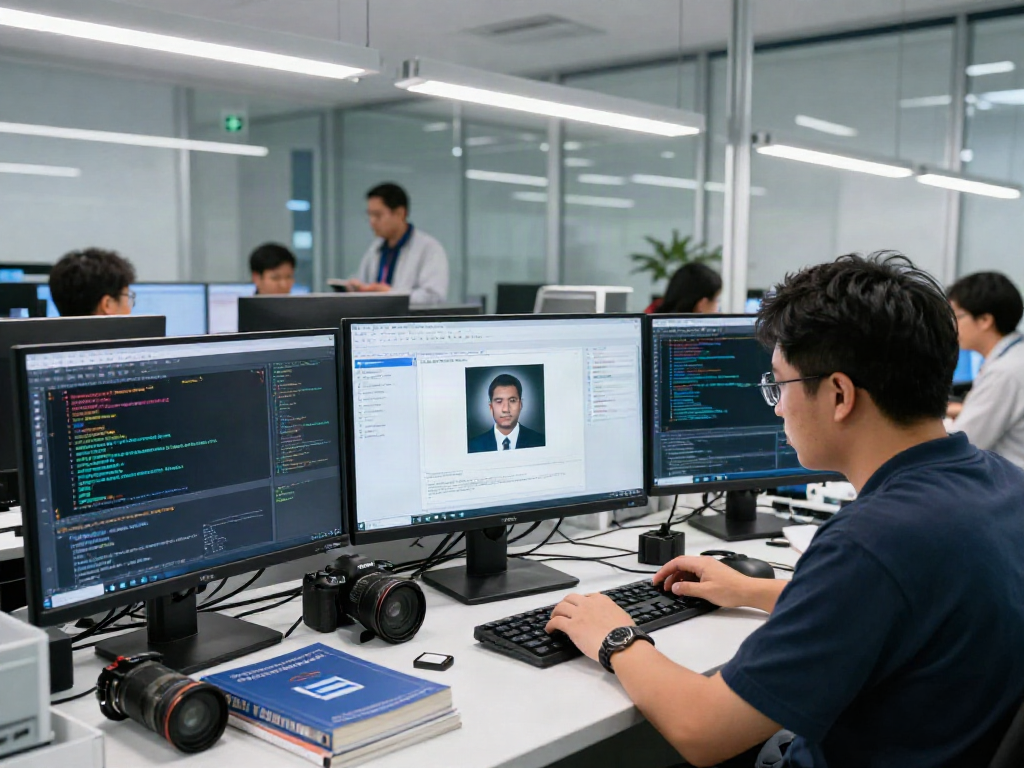
Understanding Deepfake Technology and Its Implications
In an era where digital communication drives business interactions, the rise of deepfake technology poses significant challenges to the integrity of virtual meetings. Deepfakes utilize advanced artificial intelligence to create video and audio clips that convincingly impersonate individuals, leading to potential fraud, misinformation, and security breaches. This technology is particularly alarming in professional settings where trust is essential. As businesses increasingly rely on virtual interactions, understanding the implications of deepfake technology is crucial to safeguarding operations and maintaining stakeholder confidence. For organizations looking to enhance their security measures, Deepfake-protected meetings present a promising solution.
What Are Deepfake-Protected Meetings?
Deepfake-protected meetings refer to virtual conferences that implement advanced technology to detect and mitigate the risks associated with deepfake content. These meetings incorporate AI-driven tools designed to verify the authenticity of video feeds and audio inputs, ensuring that participants are who they claim to be. As deepfake technology continues to evolve, so too must the security measures that protect sensitive information and interactions during virtual events. By leveraging these protective measures, organizations can create a safer environment for discussions that influence strategic decisions.
The Risks of Deepfakes in Professional Settings
Deepfakes pose various risks in business environments, primarily due to their potential for impersonation. Attackers can create convincing replicas of executives or employees to manipulate conversations, authorize fraudulent transactions, or disseminate false information. Some key risks include:
- Financial Fraud: Impersonating a senior official can lead to unauthorized transactions and significant financial losses.
- Data Breaches: Gaining access to sensitive information through impersonation can culminate in data theft and exploitation.
- Reputational Damage: Instances of deepfake misuse can tarnish an organization’s credibility and trustworthiness.
- Legal Consequences: Organizations may face legal ramifications if deepfakes are used to misrepresent information or commit fraud.
Understanding these risks highlights the necessity for protective strategies in virtual meeting environments.
Technological Innovations in Deepfake Detection
The landscape of deepfake detection is continually evolving, with numerous innovative technologies emerging to combat this threat. Techniques such as machine learning algorithms and biometric analysis play critical roles in identifying manipulated media. These systems analyze numerous indicators, including pixel-level inconsistencies, audio mismatches, and abnormal facial movements. Businesses must stay informed about the latest detection technologies to integrate them into their virtual meeting protocols effectively.
Best Practices for Implementing Deepfake Protection
Strategies for Securing Virtual Meetings
To safeguard against deepfakes, organizations should adopt a multi-layered approach to security in virtual meetings. Some effective strategies include:
- Participant Authentication: Implement robust methods to verify identities before granting access to meetings, such as multi-factor authentication or unique access codes.
- Real-Time Monitoring: Utilize monitoring tools that can flag suspicious activity during meetings, such as unauthorized participants or irregular behaviors.
- Training and Awareness: Educate employees about deepfake technologies and how to recognize red flags during meetings.
Tools and Technologies for Deepfake Protection
Several tools are available to help organizations protect their virtual meetings from deepfake threats. AI-driven software can analyze video and audio for potential signs of manipulation. Examples include:
- Deepfake Detection Software: Tools that use AI algorithms to analyze media content for authenticity.
- Blockchain Technology: Implementing blockchain can help verify the authenticity and integrity of video content before it’s shared.
- Encrypted Communication Channels: Secure software that offers end-to-end encryption to protect data exchanged during meetings.
By leveraging these technologies, organizations can bolster their defenses against deepfake attacks.
Integrating Security Protocols into Meeting Platforms
Integrating security protocols into existing meeting platforms is vital for enhancing protection against deepfakes. Organizations should work with software providers to ensure that security features are not only implemented but also regularly updated. Key considerations include:
- Customizable Security Settings: Allowing meeting hosts to customize security parameters based on the sensitivity of the discussion.
- Regular Software Updates: Keeping software up-to-date with the latest security patches and features is essential to counter new threats.
- Compliance with Security Standards: Ensuring that meeting platforms adhere to industry standards can provide an additional layer of protection.
Case Studies: Success Stories in Deepfake Protection
Corporate Strategies Against Deepfake Threats
Several corporations have successfully implemented deepfake protection strategies, showcasing best practices that others can follow. For instance, a financial services company recently adopted advanced AI tools to monitor virtual meetings for impersonation attempts. By deploying real-time analytics, they drastically reduced instances of attempted fraud, ultimately saving millions in potential losses.
Lessons Learned from Real-World Scenarios
Through these real-world applications, organizations can learn valuable lessons about the effectiveness of various protective measures. Key takeaways include:
- Proactive Defense: Companies that act proactively by investing in deepfake mitigation technologies fare better than those who wait for incidents to occur.
- Continuous Education: Regular training sessions for employees help reinforce security awareness and improve overall security posture.
- Collaboration with Experts: Working with cybersecurity experts can provide insights into emerging threats and effective defenses.
Evaluating Success Metrics and Outcomes
To gauge the effectiveness of deepfake protection strategies, organizations should consider metrics such as:
- Reduction in Fraudulent Activities: Tracking instances of fraud attempts can indicate the success of protective measures.
- Employee Feedback: Gathering feedback on security training can provide insights into areas for improvement.
- Incident Response Times: Measuring the time taken to respond to and mitigate deepfake threats can highlight the efficiency of the implemented protocols.
Future Trends in Deepfake Technology and Security
Emerging Technologies for Enhanced Protection
As deepfake technology continues to advance, new protective measures will emerge. Innovations in quantum computing, for instance, may play a vital role in developing more sophisticated deepfake detection algorithms that can keep pace with evolving threats. Additionally, as AI continues to progress, future solutions may incorporate predictive analytics to foresee potential deepfake uses in business environments.
Regulatory Changes Impacting Deepfake Use
Governments worldwide are recognizing the risks associated with deepfakes and are beginning to implement regulations. These changes may include stricter penalties for fraudulent uses of deepfake technology and mandates for companies to disclose the use of AI-generated media in communications. Understanding these regulatory frameworks will be essential for organizations to comply and adjust their policies accordingly.
Predictions for the Future of Virtual Meetings
The future of virtual meetings will likely hinge on continued advancements in security measures. As the workforce becomes more global and digital collaboration becomes standard, organizations will need to prioritize security in their communication strategies. Enhanced virtual meeting technologies, coupled with robust deepfake protections, will foster safe environments necessary for productivity and innovation.
Frequently Asked Questions
What are deepfake-protected meetings?
Deepfake-protected meetings are virtual gatherings that utilize advanced technologies to prevent and detect deepfake impersonations, ensuring the authenticity of participants.
How effective are deepfake detection tools?
Deepfake detection tools have become increasingly effective, utilizing AI and machine learning to analyze media content for signs of manipulation, significantly reducing risks in virtual meetings.
Are there legal ramifications for using deepfakes?
Yes, the misuse of deepfakes can lead to legal consequences, including potential liability for fraud or misinformation, depending on jurisdiction and specific use cases.
What industries are most affected by deepfakes?
Industries such as finance, healthcare, and technology are particularly vulnerable due to the high value of information shared during virtual meetings and the potential consequences of impersonation.
How can businesses prepare for future deepfake threats?
Businesses can prepare by investing in deepfake detection technologies, conducting regular training, and staying informed about evolving threats and regulatory changes regarding deepfake technology.