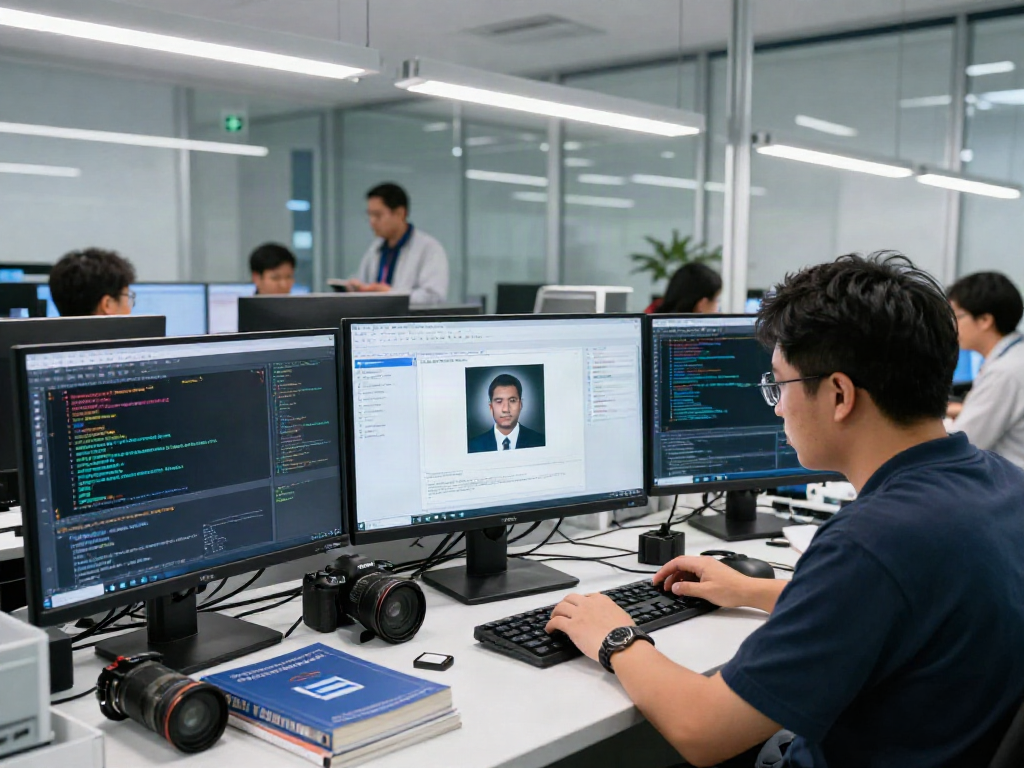
Understanding AI-Generated Images
As artificial intelligence (AI) technology continues to advance, the use of AI for creating images has become increasingly prevalent. AI-generated images are not just a trend; they represent a significant evolution in digital art, marketing, and content creation. However, the rise of these synthetic visuals also raises pressing questions regarding authenticity, trustworthiness, and ethical implications. Understanding AI-generated images is crucial not only for digital content creators and consumers but also for professionals in fields like digital forensics and media security. Effective AI-Generated Image Detection is essential to navigate these complexities.
What are AI-Generated Images?
AI-generated images refer to visuals produced by algorithms, specifically using techniques such as deep learning and neural networks. These images can range from photorealistic portraits to abstract art and serve various purposes, including personal expression, advertising, and more. The ability of AI to generate images stems from its training on vast datasets that include millions of visual examples. As a result, AI can learn to mimic styles, generate new forms, and even produce images that have never existed before. This capability poses significant challenges in identifying which images are real and which are artificially created.
Common AI Techniques for Image Generation
- Generative Adversarial Networks (GANs): GANs involve two neural networks—the generator and the discriminator—working against each other to produce increasingly realistic images.
- Variational Autoencoders (VAEs): VAEs are used to encode input data into a compressed representation and then decode it back into a similar output, effective in generating new images based on learned features.
- Style Transfer: This technique allows the application of one image's style (like a painting) to another image, resulting in a blended visual that retains the original content.
- Text-to-Image Synthesis: Utilizing natural language processing, this technique enables the generation of images based on textual descriptions, thus bridging the gap between text and visual content.
Challenges of Detecting AI-Generated Content
One of the primary challenges in detecting AI-generated content is the increasing sophistication of the algorithms used to create these images. As the technology evolves, so too do the techniques employed by machine learning models to produce more realistic images. Additionally, variations in the datasets used for training can lead to diverse outputs that may not conform to typical markers of AI generation. Moreover, the subtlety of some AI-generated images may make them indistinguishable from real photographs to the human eye, complicating the detection process further.
Importance of AI-Generated Image Detection
In an era where misinformation proliferates across digital platforms, the significance of AI-generated image detection cannot be overstated. The ability to determine whether an image is AI-generated is vital for maintaining trust in visual media and protecting individuals and organizations from potential deception.
Risks Associated with AI-Generated Images
The risks associated with AI-generated images are manifold. Misleading or malicious content can be created to manipulate public perception, spread misinformation, or even commit fraud. For instance, in political contexts, AI-generated visuals can be used to fabricate events or statements that never occurred, eroding trust in legitimate media sources. In commercial settings, companies might face reputational risks if they inadvertently use or share counterfeit images that compromise brand integrity.
Impact on Digital Forensics and Security
For professionals in digital forensics, AI-generated image detection represents a new frontier. Detecting manipulated images is essential for validating evidence in legal scenarios, identifying cybersecurity threats, and analyzing potential fraud cases. As technology evolves, forensic experts must adapt and refine their methods to keep pace, leveraging advanced AI detection tools and techniques to ensure accuracy and reliability in their findings.
Legal and Ethical Considerations
Beyond technical challenges, the rise of AI-generated images also introduces significant legal and ethical issues. Questions arise regarding copyright infringement, the right to use AI-generated content, and the potential for misrepresentation. Regulatory bodies are beginning to grapple with these challenges, raising the need for policies that protect creators while allowing for innovation in the realm of AI art and image generation. Navigating these complexities requires a balanced approach that prioritizes ethical standards while embracing technological advancements.
Techniques in AI-Generated Image Detection
To address the challenges presented by AI-generated images, various detection methods and tools have been developed, each aiming to improve accuracy and reliability in distinguishing between real and synthetic visuals.
Overview of Detection Methods and Tools
- Image Forensics Software: Tools like Adobe Photoshop and GIMP provide features for analyzing image integrity, revealing modifications and alterations that may indicate AI generation.
- Machine Learning Algorithms: Specialized algorithms are being trained on datasets of AI-generated and real images, enabling them to recognize patterns and features indicative of synthetic creation.
- Blockchain Technology: Some platforms are exploring the use of blockchain to verify and authenticate images, creating a tamper-proof record of origin.
- Human Review: Combining automated detection with human expertise can enhance accuracy. Trained professionals can provide context and insights that machines may overlook.
Best Practices for Image Analysis
When conducting image analysis, professionals should follow best practices to enhance their detection accuracy:
- Utilize a combination of automated tools and human expertise for robust analysis.
- Stay updated on the latest AI advancements and detection technologies to refine detection methods.
- Implement a standardized framework for analyzing images, including a checklist of features to examine for authenticity.
- Engage in ongoing education and training to understand the nuances of AI-generated content and detection strategies.
Real-World Case Studies in Detection
Real-world applications of AI-generated image detection illustrate the complexities and challenges faced by professionals:
- The 2016 U.S. Presidential Election: During the election, numerous AI-generated images circulated on social media platforms, with experts using detection tools to identify false narratives associated with them.
- Advertising Campaigns: Brands have faced backlash for using AI-generated images without proper disclosure. Detection efforts have been employed to maintain transparency.
- Legal Cases: Court cases involving visual evidence have highlighted the importance of reliable detection methods, as AI-generated images may be presented as legitimate evidence.
Future Trends in AI-Generated Image Detection
As we look toward the future of AI-generated image detection, several emerging technologies and trends are anticipated to shape the landscape in 2026 and beyond.
Emerging Technologies and Techniques for 2026
Advancements in AI and machine learning are expected to continue evolving detection capabilities. Techniques such as explainable AI (XAI) will enable researchers to understand how detection models make decisions, enhancing transparency and reliability. Enhanced image analysis through augmented reality (AR) could also play a role, allowing users to interact with and examine images in new ways.
Predictions for the Future of Image Verification
Looking ahead, we can anticipate a shift toward more stringent verification standards for visual media. Platforms may start implementing mandatory verification processes for images to combat misinformation effectively. As the importance of authenticity continues to grow, collaboration between tech companies, regulators, and content creators will be crucial for developing comprehensive strategies to ensure integrity in digital media.
Regulatory Changes Impacting AI Detection
Regulatory bodies are likely to introduce new guidelines and standards for AI-generated content, requiring transparency about the use of synthetic images. Such regulations would help consumers differentiate between authentic and altered visuals, protecting them from deceitful practices. As these changes take place, professionals in digital forensics will need to adapt their strategies to comply with evolving legal frameworks.
Conclusion and Takeaways
In conclusion, the rise of AI-generated images presents both opportunities and challenges across various industries. Understanding how to detect these synthetic visuals is crucial for maintaining trust in digital content. As technology continues to evolve, professionals must remain vigilant and informed about the latest developments in AI image detection.
Recap of Key Insights on AI-Generated Image Detection
The key insights from this exploration include the importance of effective detection methods, the risks associated with AI-generated images, and the need for ongoing adaptation in the face of evolving technology. By understanding these elements, professionals can better navigate the complexities of digital media.
Actionable Steps for Professionals in Digital Forensics
To enhance detection capabilities, professionals should:
- Invest in advanced detection tools and training programs.
- Collaborate with other experts in the field to share insights and strategies.
- Stay informed on technological advancements and ethical considerations surrounding AI use.
- Implement a proactive approach to verifying image authenticity in all digital communications.
FAQs on AI-Generated Image Detection
Q: What tools can I use to detect AI-generated images?A: There are several tools available, including image forensics software and machine learning algorithms specifically trained to identify AI-generated content.
Q: How can I protect myself from fraudulent AI-generated images?A: Staying informed about the latest detection technologies and employing a combination of automated tools and human analysis can help protect you from misleading visuals.
Q: What are the ethical implications of using AI-generated images?A: The ethical implications include concerns about authenticity, copyright, and the potential for misinformation, which necessitates a careful approach to usage and disclosure.