Understanding Drain Problems in Fort Worth
In the bustling city of Fort Worth, residents frequently encounter various plumbing challenges, with one of the most common being drain issues. From slow draining sinks to complete blockages, a variety of factors contribute to the degradation of drainage systems. Understanding the signs, causes, and maintenance strategies for these problems is crucial for homeowners. Addressing these issues early can prevent costly repairs and ensure the longevity of your plumbing system. For comprehensive insights on drain cleaning Fort Worth, we delve into the nuances of drain maintenance and cleaning.
Common Signs of Drain Issues
One of the first indicators of drain problems is a change in water flow. Homeowners might notice:
- Slow-draining sinks and tubs
- Unpleasant odors emanating from drains
- Gurgling sounds when using fixtures
- Water pooling around floor drains
Recognizing these signs early on can save you from more severe plumbing malfunctions in the future. Regular monitoring of your drains can help catch issues before they escalate.
Potential Causes of Clogs
Several factors can lead to clogged drains in Fort Worth:
- Hair and Soap Buildup: Over time, hair and soap residue can accumulate, especially in bathroom drains.
- Food Particles: In kitchen sinks, remnants of food can lead to blockages, particularly when grease is involved.
- Tree Roots: In older neighborhoods, tree roots can invade underground pipes, obstructing flow.
- Foreign Objects: Items accidentally dropped down drains can create significant blockages.
Identifying the specific cause of a clog is crucial for effective remediation, allowing you to choose the best cleaning method.
How Local Climate Affects Drain Maintenance
Fort Worth's climate, characterized by hot summers and occasional heavy rainfall, can influence drain health. During dry spells, debris and buildup may become worse due to lower water flow. Conversely, heavy rains can lead to over-saturation of soil, causing ground shifts that can impact drainage systems. Understanding these local weather patterns can inform preventative maintenance practices for your drains.
DIY Drain Cleaning Techniques
While professional help is often necessary, there are several DIY techniques homeowners can employ to maintain clear drains. Many of these methods utilize common household items and can effectively alleviate minor clogs.
Simple Home Remedies That Work
Home remedies are a cost-effective way to tackle minor drain issues. Common solutions include:
- Baking Soda and Vinegar: Pour a cup of baking soda followed by a cup of vinegar down the drain. Let it sit for 30 minutes, then flush with hot water.
- Salt and Hot Water: Pouring salt followed by boiling water can help dissolve grease buildup.
- Dish Soap and Hot Water: For kitchen clogs, a cup of dish soap followed by hot water can break down grease.
These methods can keep your drains running smoothly and are often safe for use on most plumbing systems.
When to Use a Plunger or Snake
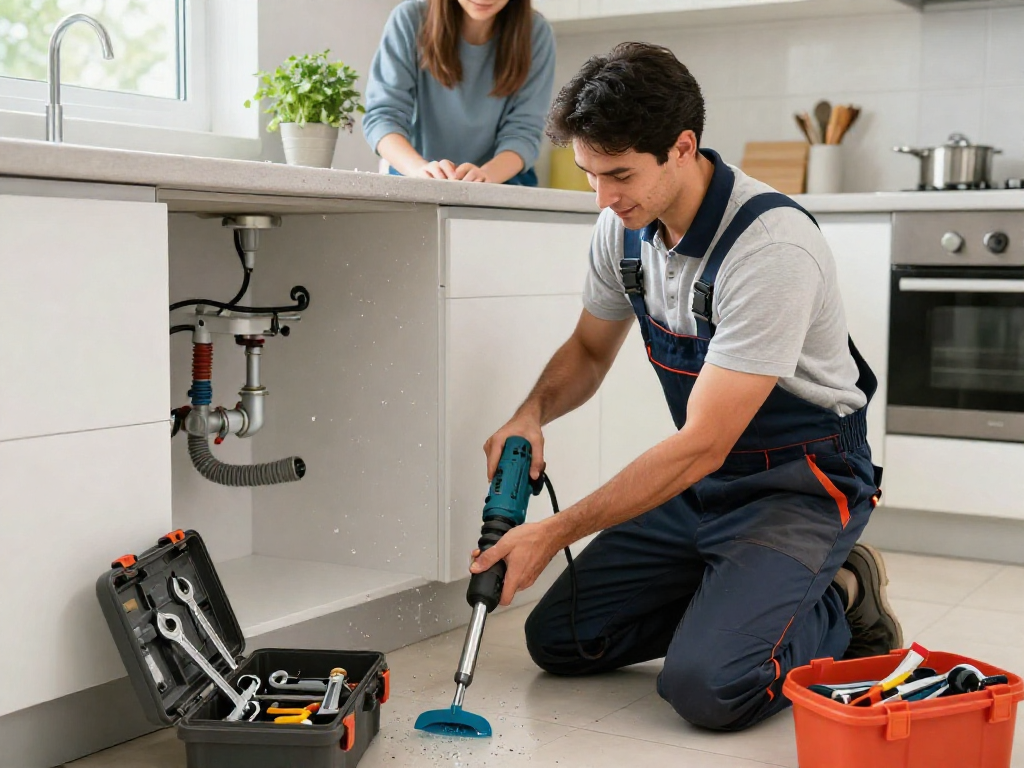
Plungers and drain snakes are essential tools for any homeowner. A plunger should be your first line of defense for minor clogs, especially in sinks and toilets. For more stubborn blockages, a drain snake can be effective. Use the snake to reach deeper into the pipes and remove debris that a plunger cannot reach.
Tools Every Homeowner Should Have
Maintaining a well-stocked toolbox can make drain cleaning easier. Consider these essential tools:
- Plunger: A must-have for minor clogs.
- Drain Snake: Useful for more persistent blockages.
- Bucket: For collecting water and debris during cleaning.
- Wet/Dry Vacuum: Great for suctioning out clogs if water is already standing.
Having the right tools allows homeowners to address drain problems quickly and efficiently.
Professional Drain Cleaning Services
While DIY methods can tackle minor issues, sometimes the best course of action is to consult a professional plumbing service. This ensures thorough cleaning and inspection of your entire drainage system.
Benefits of Hiring an Expert
Engaging a professional for drain cleaning Fort Worth has numerous advantages:
- Expertise: Professionals have the training to handle complex clogs and potential pipe damage.
- Advanced Tools: Plumbing professionals have high-tech equipment that is often unavailable to the average homeowner.
- Long-term Solutions: Experts can provide maintenance tips to prevent future clogs.
What to Expect from a Professional Service
When hiring a plumbing service, expect the following:
- A detailed inspection of the drainage system to identify the root cause of the problem.
- Utilization of specialized equipment like cameras and hydro-jetting tools.
- A clear outline of the services they will provide, along with an estimated cost.
Understanding the process can help you feel more confident in your choice of service provider.
Choosing the Right Plumbing Company in Fort Worth
Selecting a reliable plumbing service is critical. Consider the following:
- Reviews and Recommendations: Check online reviews and ask friends and family for recommendations.
- Licensing and Insurance: Ensure the company is licensed and insured to perform plumbing work in Texas.
- Experience: Look for companies with a proven track record in drain cleaning.
Taking the time to choose the right company can lead to a hassle-free experience and effective solutions.
Advanced Drain Cleaning Solutions
For persistent or severe drainage issues, advanced techniques may be necessary. These methods help clear thorough blockages effectively and prevent future issues.
High-Pressure Water Jetting Explained
High-pressure water jetting is an effective method for cleaning drains. This process involves blasting high-pressure water into the pipes, effectively clearing out clogs and buildup. It is especially useful for removing grease, soap, and mineral deposits that standard methods may not address. However, it should only be performed by trained professionals to avoid damaging pipes.
Using Camera Inspections to Diagnose Issues
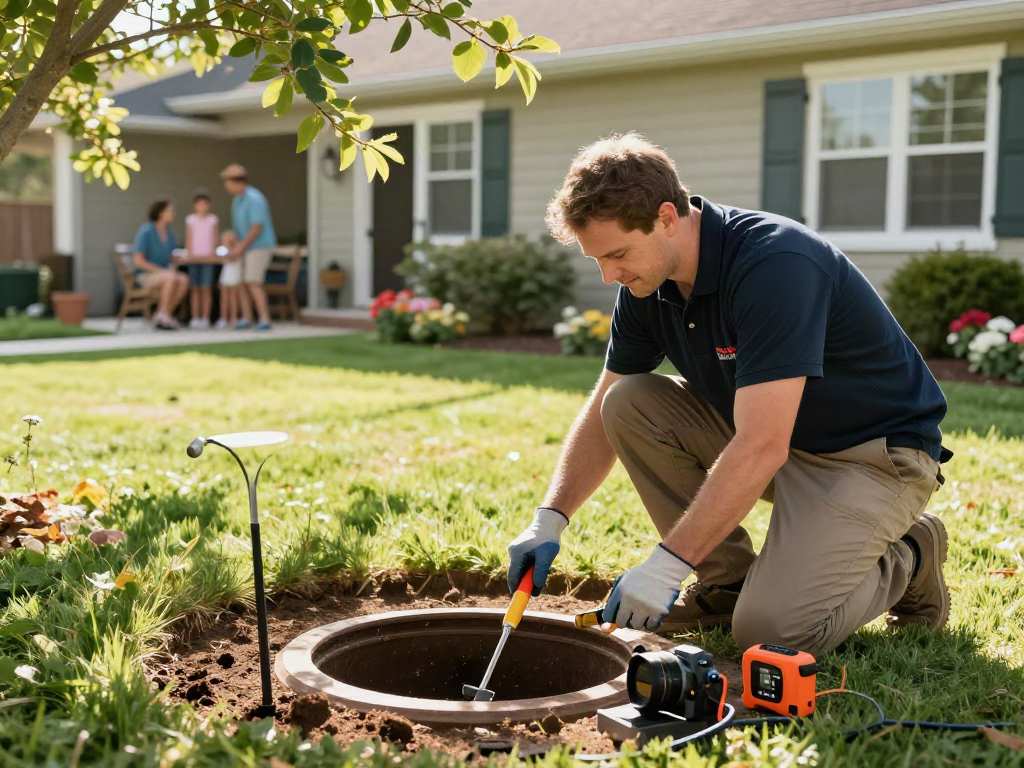
Camera inspections involve using small cameras inserted into the drainage system to identify the exact location and cause of blockages. This technology allows plumbers to provide precise diagnoses without invasive procedures, saving time and money in the repair process.
Preventative Measures for Long-Term Maintenance
Ensuring your drains remain clear is easier with preventative measures. Some effective strategies include:
- Regularly flushing drains with hot water.
- Using drain screens to capture debris.
- Scheduling routine professional cleanings every 1-2 years.
Implementing these practices can significantly extend the life of your plumbing system and minimize the risk of future drain problems.
Future Trends in Drain Cleaning
The plumbing industry is evolving, with new techniques and technologies emerging that promise more efficient and eco-friendly solutions. Staying abreast of these trends can benefit homeowners looking for improved methods of drain maintenance.
Eco-Friendly Cleaning Solutions for Homeowners
With a growing awareness of environmental issues, many drain cleaning products are now eco-friendly. These solutions effectively tackle clogs without the harsh chemicals often found in traditional cleaners, making them safer for both your health and the environment.
The Role of Technology in Plumbing Services
Advancements in technology are revolutionizing plumbing services, including drain cleaning. Smart plumbing systems can alert homeowners to potential issues before they become serious problems, while AI and machine learning are being utilized to optimize maintenance schedules.
Preparing for 2026: Innovations on the Horizon
Looking ahead to 2026, we can expect further innovations in plumbing technology, including more sophisticated drain cleaning equipment and improved methods for diagnosing and addressing plumbing issues. Homeowners should remain informed about these advancements to take full advantage of the benefits they offer.
What are the costs associated with drain cleaning?
Costs for drain cleaning can vary based on the severity of the clog, the method used, and the plumbing service provider. On average, homeowners may expect to pay between $150 to $500 for professional services, depending on the complexity of the issue.
How often should I have my drains cleaned?
It’s generally advisable to have your drains professionally cleaned every 1-2 years, depending on usage and any previous issues. Regular cleaning helps prevent major clogs and ensures your plumbing system functions optimally.
Are chemical cleaners safe for drains?
While chemical cleaners can provide a quick fix, they often contain harsh substances that can damage pipes over time. It’s best to consider alternative methods or consult a professional before using chemicals in your drains.
What are the early signs of a clogged drain?
Early signs of a clogged drain include slow drainage, unusual noises, and foul odors. Addressing these issues promptly can help prevent severe clogs and costly repairs.
Can regular cleaning prevent major plumbing issues?
Yes, regular drain cleaning is an effective preventative measure. By maintaining clean drains, homeowners can avoid the buildup of debris, reducing the risk of serious clogs and plumbing problems in the future.