Understanding Electrical Components Manufacturing
In today's rapidly evolving technological landscape, the role of electrical components manufacturers has never been more critical. These manufacturers are at the forefront of creating the essential building blocks that enable electronic devices to function seamlessly. Whether it’s a power connector, switch, or wire harness, each component plays a crucial role in the overall performance and reliability of electrical systems. As industry demands continue to shift toward automation and sustainable solutions, understanding the intricate processes behind electrical component manufacturing becomes paramount for businesses across various sectors.
When exploring options, Electrical components manufacturer offers comprehensive insights into product specifications and industry standards, ensuring that you choose the right components for your needs.
What Defines an Electrical Components Manufacturer?
An electrical components manufacturer specializes in producing parts used in electronic devices and systems. This includes a wide range of products such as connectors, switches, power cords, relay sockets, and wire harnesses. Manufacturers typically adhere to strict quality and performance standards, ensuring that their products meet the demands of various applications, from consumer electronics to industrial machinery. Key characteristics of reputable manufacturers include:
- Quality Assurance: Rigorous testing and certification processes ensure that products comply with international safety and performance standards.
- Range of Products: A comprehensive catalog of products allows customers to find exactly what they need.
- Customization Capabilities: The ability to tailor products to specific customer requirements is a significant advantage in today's market.
Importance of Certification Standards for Manufacturers
Certification standards are essential in the manufacturing of electrical components, providing assurance that products meet safety and quality benchmarks. Key certifications include:
- ISO Certification: Ensures that manufacturing processes meet international quality management standards.
- UL Certification: Indicates that products have been tested for safety by Underwriters Laboratories.
- CE Marking: Signifies compliance with European safety standards, allowing for market access in the EU.
These certifications not only enhance product credibility but also foster customer trust, making it imperative for manufacturers to maintain compliance.
Key Products from Electrical Components Manufacturers
Electrical components manufacturers typically offer a wide array of products crucial for various applications:
- IEC Connectors: These connectors are vital for linking power to electrical appliances, adhering to the safety standards set by the International Electrotechnical Commission.
- Power Cords: Durable power cords designed for both residential and industrial use, available in various lengths and materials.
- Electromechanical Switches: Used to control power within a circuit, these switches are integral in user-friendly designs for power supplies and devices.
- Relay Sockets: Available in various types, including Japanese and European standards, essential for efficient electrical applications.
- Wire Harnesses: These assemblies neatly organize wires and connections, ensuring reliable electrical connections and simplifying installation processes.
Quality Control Practices in Electrical Manufacturing
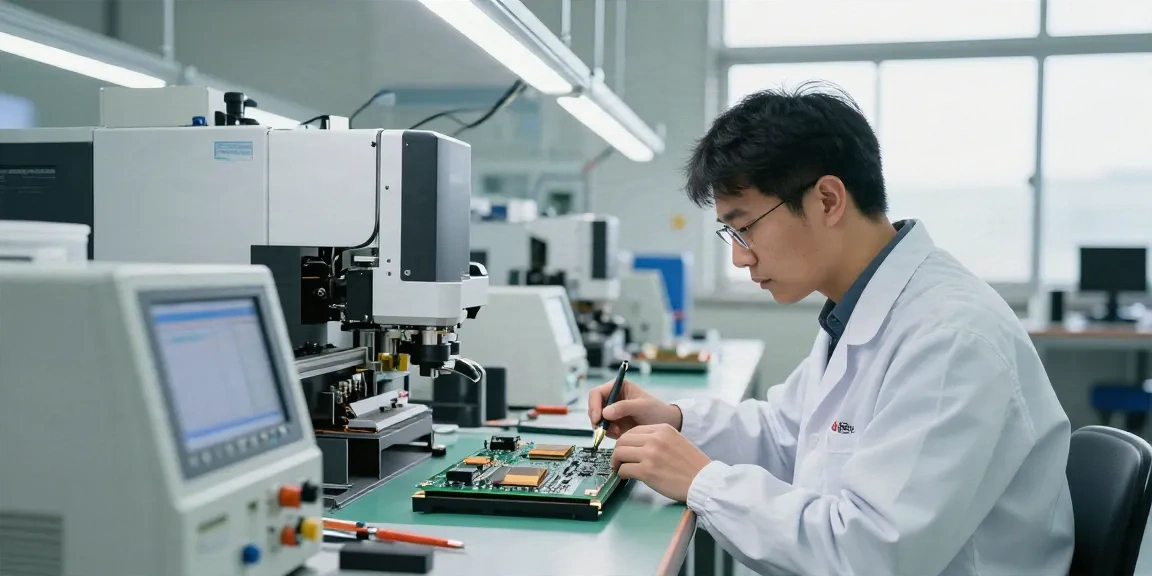
Quality control is a cornerstone of any electrical components manufacturing process. Effective quality management ensures product reliability and compliance with esteemed standards, directly impacting end-user satisfaction.
Testing Standards in Electrical Component Production
Manufacturers often implement a variety of testing standards to ensure the integrity and performance of their products. Common testing protocols include:
- Functional Testing: Evaluates whether the component operates as intended under specified conditions.
- Environmental Testing: Assesses the product's durability against temperature, humidity, and other environmental factors.
- Safety Testing: Ensures compliance with safety regulations, minimizing risks related to electrical hazards.
Impact of Quality Control on Product Reliability
Robust quality control practices are crucial for ensuring that electrical components function reliably in various applications. Poor quality can lead to product failures, resulting in costly recalls and damaging a manufacturer’s reputation.
Incorporating continuous improvement methodologies, such as Six Sigma or Kaizen, helps manufacturers refine processes and enhance overall quality, leading to fewer defects and enhanced customer satisfaction.
Case Studies of Successful Quality Practices
Several manufacturers have set examples of excellence in quality control in the electrical component sector. For instance, a leading power connector manufacturer implemented a zero-defect strategy that reduced production errors by over 30%. Through robust training programs and technology upgrades, they ensured every component met stringent quality standards before leaving the factory.
Trends Shaping the Electrical Components Industry in 2026
The electrical components manufacturing industry is witnessing significant transformations, driven by technological advancements and shifting market demands. Understanding these trends is vital for manufacturers and buyers alike.
Emerging Technologies in Electrical Component Manufacturing
Advancements in manufacturing technologies are reshaping how electrical components are produced. Notable trends include:
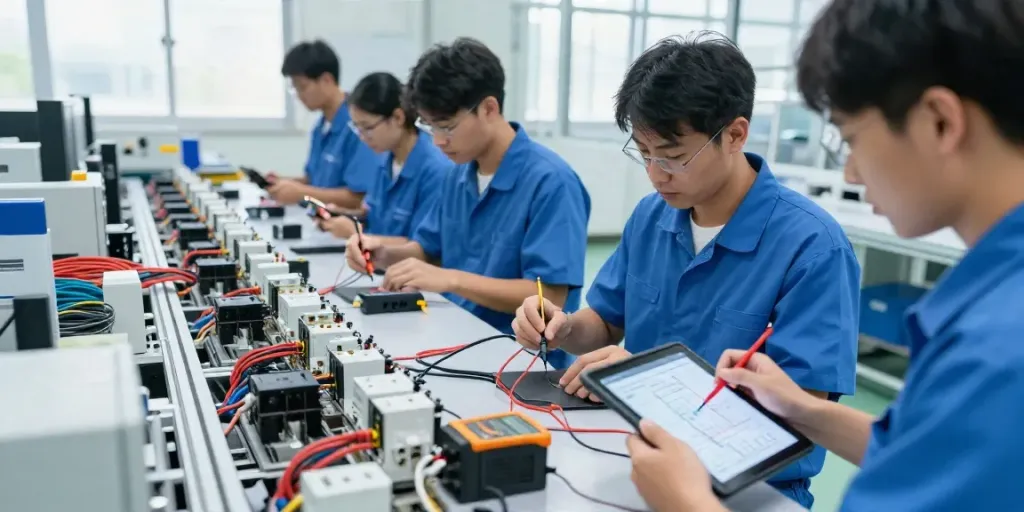
- Automation: Automated production lines enhance efficiency and scalability while reducing labor costs.
- 3D Printing: This technology is increasingly used for rapid prototyping and the production of custom components.
- Smart Manufacturing: The integration of IoT in manufacturing processes allows for real-time monitoring and predictive maintenance of machinery.
Market Demand for Custom Electrical Solutions
As industries evolve, there is a growing demand for customized electrical components tailored to specific applications. Companies require manufacturers who can provide flexible solutions without compromising on quality or performance. This shift encourages electrical components manufacturers to invest in R&D and enhance their customization capabilities.
Sustainability and Eco-Friendly Practices
With increasing awareness of environmental issues, manufacturers are adopting eco-friendly practices. This includes using sustainable materials, reducing waste through efficient manufacturing processes, and ensuring products are recyclable. Compliance with environmental regulations not only meets consumer demand but also enhances brand reputation.
Challenges Faced by Electrical Components Manufacturers
Despite the opportunities in electrical components manufacturing, several challenges persist that can hinder growth and innovation.
Supply Chain Issues in the Electronics Industry
The global pandemic highlighted vulnerabilities in supply chains, affecting manufacturers significantly. Delays in material supply and increased costs can disrupt production schedules and lead to missed deadlines. Manufacturers must develop robust supply chain strategies, including diversifying suppliers and maintaining safety stock to mitigate these risks.
Adapting to Rapid Technological Changes
The fast pace of technological advancements requires manufacturers to remain agile and responsive. Investment in ongoing training, research, and development is essential to keep up with industry changes and customer expectations.
Addressing Regulatory Compliance
Compliance with varying regulations across different markets can be challenging. Manufacturers must stay abreast of legal requirements and adapt their practices accordingly to avoid penalties and legal issues. Building a dedicated compliance team can streamline this process.
Choosing the Right Electrical Components Manufacturer
When selecting an electrical components manufacturer, there are several key factors to consider that can greatly influence your supply chain effectiveness.
Evaluating Manufacturer Credentials and Expertise
Assessing a manufacturer’s credentials is crucial. Look for certifications, industry experience, and customer testimonials to gauge reliability and quality. A company’s historical performance can often indicate their future capabilities.
Considerations for Custom Solutions
Manufacturers that offer strong customization capabilities can provide a competitive edge. Ask potential partners about their experience with custom orders, typical turnaround times, and examples of previous projects.
Future-Proofing Your Supply Chain
As market dynamics shift, future-proofing your supply chain is essential. This can involve sourcing from multiple suppliers, investing in technology, and fostering strong relationships with manufacturers who show adaptability to change.
What are the key benefits of working with an electrical components manufacturer?
Working with a reputable electrical components manufacturer offers several advantages, including access to high-quality products, customization options, and timely support. These benefits contribute to the overall efficiency and effectiveness of your operations.
How do electrical components manufacturers ensure quality?
Manufacturers ensure quality through rigorous testing and adherence to international standards. Implementation of quality management systems such as ISO ensures products meet required specifications consistently.
What are the industry standards for electrical components?
Key industry standards include ISO, UL, CE, and RoHS, which govern safety, performance, and environmental impact. Compliance with these standards is critical for market acceptance and consumer trust.
How can I find a reliable electrical components manufacturer?
Start by researching manufacturers online, looking for customer reviews and industry certifications. Networking at industry events can also provide valuable insights into potential partners.
What are the trends affecting electrical components manufacturing in 2026?
Current trends include a focus on customization, adoption of sustainable practices, and integration of advanced manufacturing technologies. Staying informed about these trends is essential for success in the evolving market.