Understanding RT5880 PCB Manufacturing Material
The growing demand for high-frequency applications has illuminated the significance of specialized materials in PCB manufacturing. Among these, RT5880 stands out as a premier choice for engineers and manufacturers alike. This material, known for its excellent electrical performance, is designed to meet the rigorous needs of modern communication technologies. When exploring options, RT5880 PCB manufacturing offers comprehensive insights into its unique properties and applications.
1. Properties and Characteristics of RT5880
RT5880, classed as a thermoset dielectric material, is primarily composed of polytetrafluoroethylene (PTFE) and reinforced with glass fibers. This composition provides a unique set of properties that are essential for high-frequency circuit applications. Some of the key characteristics of RT5880 include:
- Low Dielectric Constant (Dk): With a Dk value of approximately 2.2, RT5880 ensures minimal signal loss, making it ideal for high-frequency transmissions.
- Low Loss Tangent (Df): The material exhibits a low loss tangent of about 0.0015, indicating efficient signal propagation with minimal energy dissipation.
- Thermal Stability: RT5880 maintains stability across a wide temperature range, supporting applications that require reliability at high temperatures.
- Excellent Machinability: The material can be easily cut and shaped, allowing for intricate designs in PCB fabrication.
2. Advantages of Using RT5880 in PCB Production
The advantages offered by RT5880 make it a preferred choice for manufacturers engaged in high-frequency PCB production. These benefits can be summarized as follows:
- Enhanced Signal Integrity: The low dielectric constant and loss tangent significantly enhance signal integrity, crucial for RF and microwave circuits.
- Cost-Effective in High-Volume Production: While initial material costs may be higher, RT5880's performance advantages can lead to lower operational costs in high-volume applications due to less signal degradation.
- Durability: Featuring excellent mechanical properties, RT5880 withstands physical stress better than many competing materials, ensuring long-lasting performance.
- Versatility: RT5880 is suitable for various applications, from antennas to satellite communications, broadening its applicability in the electronics sector.
3. Applications of RT5880 in High-Frequency Circuits
The versatility of RT5880 allows it to be utilized across a range of high-frequency applications, including:
- RF Communication Devices: Antennas and RF circuit boards benefit from the material's low loss characteristics.
- Microwave Components: RT5880 is widely used in microwave devices, ensuring high performance and reliability.
- Satellite Systems: Its thermal stability and durability make it ideal for satellite communications where environmental conditions can vary significantly.
- Test and Measurement Equipment: High-end RF test boards leverage RT5880 for precise measurement capabilities.
Challenges in RT5880 PCB Manufacturing
Despite its numerous advantages, manufacturing PCBs with RT5880 presents several challenges that must be managed effectively.
1. Common Manufacturing Difficulties
Manufacturers face various hurdles when working with RT5880, including:
- Processing Complexity: The unique properties of PTFE-based materials like RT5880 require specialized handling and processing techniques, complicating production workflows.
- Machining Precision: Achieving the desired precision in milling and drilling can be more challenging than with traditional FR-4 materials.
- Adhesion Issues: The natural characteristics of PTFE can lead to poor adhesion when bonding with other materials, which necessitates careful selection of adhesives.
2. Techniques for Overcoming Quality Control Issues
To mitigate these manufacturing difficulties, several strategies can be employed, including:
- Enhanced Training: Investing in training for operators on specific techniques for handling and machining RT5880 can lead to improved outcomes.
- Advanced Machinery: Utilizing state-of-the-art CNC machines tailored for PTFE processing helps increase precision and reduce waste.
- Quality Assurance Protocols: Implementing rigorous quality checks throughout the manufacturing process ensures that any deviations are caught early.
3. Innovations Addressing Processing Challenges
Emerging technologies continue to enhance RT5880 PCB manufacturing. Innovations include:
- Laser Processing: Laser cutting and drilling technologies can offer more precise control when working with RT5880, reducing the likelihood of defects.
- Process Automation: Automation in handling and assembly can minimize human error and improve efficiency.
- Advanced Inspection Techniques: Employing advanced imaging techniques for inspection can ensure better quality control and adherence to specifications.
Best Practices for Fabricating RT5880 PCBs
Employing best practices in the manufacturing of RT5880 PCBs is crucial for ensuring quality and reliability. Here are some recommended practices:
1. Step-by-Step PCB Manufacturing Process
The PCB manufacturing process for RT5880 can be broken down into key steps, including:
- Design: Utilize software tools to design the PCB layout, ensuring compatibility with RT5880’s specifications.
- Material Preparation: Cut and prepare RT5880 sheets according to the required dimensions.
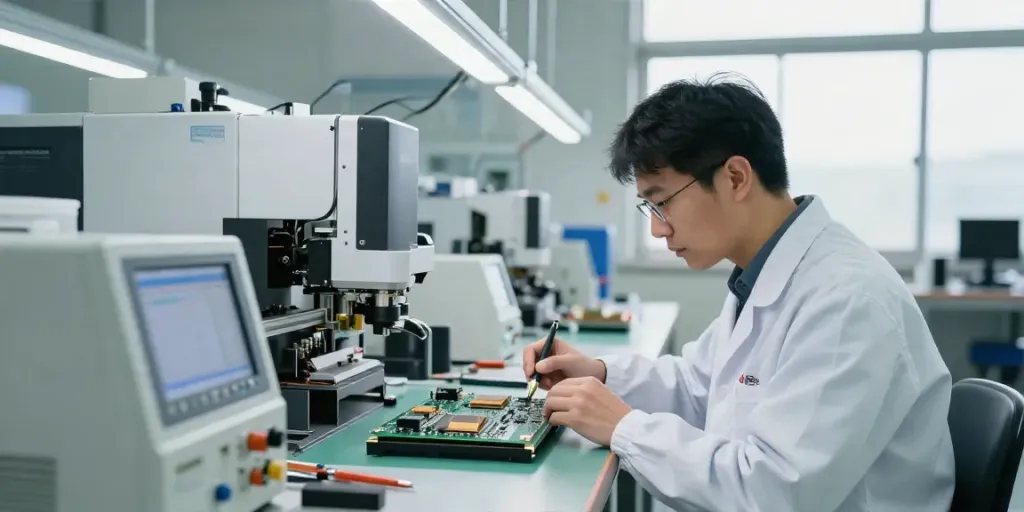
- Fabrication: Involve processes like etching and hole drilling using appropriate machinery designed for PTFE materials.
- Assembly: Carefully solder components onto the PCB, taking care to use compatible solder materials to avoid adhesion issues.
- Testing: Conduct electrical and mechanical tests to verify performance before deployment.
2. Essential Tools and Equipment for Precision
The right tools and machinery are integral to producing high-quality RT5880 PCBs. Essential equipment includes:
- CNC Machines: For precise cutting and drilling of RT5880 material.
- Pick-and-Place Machines: These automate component assembly, improving efficiency and accuracy.
- Testing Equipment: High-frequency testing equipment ensures that the finished PCBs meet required electrical standards.
3. Quality Assurance Protocols in Production
To ensure the highest quality in PCB manufacturing, implement the following protocols:
- Regular Quality Audits: Conduct routine audits of the manufacturing process to identify areas for improvement.
- Documentation of Procedures: Maintain thorough records of each production run to ensure traceability and accountability.
- Feedback Mechanism: Establish a system for collecting and addressing feedback from operators and customers to enhance processes.
Future Trends in RT5880 PCB Manufacturing
As technology advances, the landscape of RT5880 PCB manufacturing is expected to evolve. Here are some predicted trends for the coming years:
1. Emerging Technologies Shaping Manufacturing
The integration of smart manufacturing technologies, including the Internet of Things (IoT) and artificial intelligence (AI), is anticipated to revolutionize the production of RT5880 PCBs. These technologies can offer real-time data analytics, predictive maintenance, and improved supply chain management, enhancing overall efficiency.
2. Predictions for PCB Material Developments in 2026
By 2026, the demand for more environmentally sustainable materials is expected to increase. There will be a push towards developing hybrid materials that combine the advantageous properties of RT5880 with sustainable practices, reducing environmental impact while maintaining high performance.
3. Sustainability in PCB Production Practices
Manufacturers are likely to adopt greener production practices, focusing on reducing waste and improving energy efficiency. This includes the utilization of recycled materials and the implementation of closed-loop processes in manufacturing to minimize environmental footprint.
FAQs about RT5880 PCB Manufacturing
What is the dielectric constant of RT5880?
The dielectric constant (Dk) of RT5880 is approximately 2.2, which is ideal for high-frequency applications due to reduced signal loss.
How does RT5880 compare to other PCB materials?
RT5880 outperforms many traditional PCB materials, such as FR-4, in terms of signal integrity, thermal stability, and performance in high-frequency circuits, making it a preferred choice in RF applications.
What are the testing standards for RT5880 PCBs?
Testing standards for RT5880 PCBs typically include IPC-A-600 and IPC-6012, which cover acceptance criteria and performance specifications for electronic interconnections.
Can RT5880 be used for flexible PCBs?
While RT5880 is primarily used in rigid PCBs, innovations in manufacturing may allow for its application in flexible designs, although this is less common.
What industries benefit most from RT5880 PCBs?
Industries such as telecommunications, aerospace, defense, and medical devices benefit significantly from RT5880 PCBs due to their need for high-frequency and high-reliability components.