Understanding Facial Analysis Technologies
Facial analysis technologies have revolutionized the way we understand and enhance our physical appearance. With advancements in artificial intelligence and computer vision, platforms like ClinicEvo and QOVES have emerged at the forefront of this industry, offering users a deep dive into their facial structures and aesthetic possibilities. When exploring options, ClinicEvo vs QOVES provides comprehensive insights into these technologies.
What is ClinicEvo's Approach?
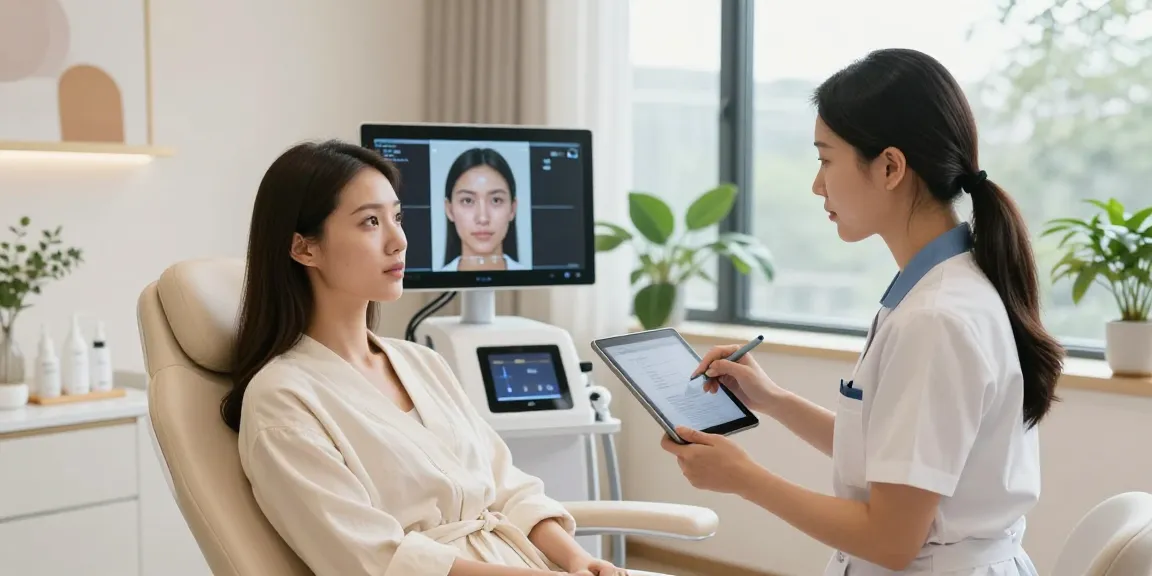
ClinicEvo leverages cutting-edge computer vision technology to evaluate facial features and generate personalized aesthetic recommendations. The process begins with a user uploading their photo, which is then analyzed for various metrics including symmetry, proportions, and skin quality. The platform emphasizes empowering users to take control of their aesthetic journey by providing detailed reports that outline potential areas for improvement.
How QOVES Innovates in Facial Assessment
In contrast, QOVES has carved its niche by focusing on a more holistic and data-driven approach to facial analysis. The platform offers a comprehensive report that includes over 160 data points regarding facial structure, skin texture, and aesthetic balance. QOVES aims to guide users on their beauty enhancement journey, particularly those interested in cosmetic procedures, by offering insights that are backed by scientific research.
Comparing the Methodologies of ClinicEvo vs QOVES
While both ClinicEvo and QOVES aim to help users understand their facial aesthetics, their methodologies differ significantly. ClinicEvo’s approach is more centered on giving users control over their journey, while QOVES provides extensive analytical data aimed at informed decision-making regarding cosmetic surgery. This differentiation in approach may appeal to varying user needs and expectations.
Target Audience Profiles
Who Benefits Most from ClinicEvo's Services?
ClinicEvo's services are particularly beneficial for individuals seeking self-improvement without immediate plans for cosmetic surgery. The platform caters to a younger audience interested in proactive beauty strategies and those who enjoy experimenting with beauty trends. Users often appreciate the ability to visualize potential changes and make informed decisions regarding personal care.
QOVES Users: Demographics and Motivations
QOVES primarily attracts a demographic that is more serious about aesthetic changes, including those considering surgical interventions. Many users are motivated by social media trends and often seek validation through data-driven insights that can guide their choices. The platform's comprehensive reports appeal to individuals who want precise evaluations as a foundation for potential beauty enhancements.
Understanding User Intent in Facial Analysis
Understanding user intent is critical for both platforms. ClinicEvo users may be looking for self-improvement and visualization tools, while QOVES users are often seeking validation for making significant changes to their appearance. Coinciding with the increase in beauty tech usage, these platforms cater to the growing desire for personalized beauty solutions that speak to individual aesthetics.
Challenges in Facial Analysis and Personalized Solutions
Common Misconceptions About Facial Analysis
One of the prevalent misconceptions is that facial analysis is solely a predictor of attractiveness. However, both ClinicEvo and QOVES aim to offer insights tailored to individual needs rather than a strict standard of beauty. Users often misunderstand the purpose of these analyses, thinking they lead directly to cosmetic procedures, whereas both platforms emphasize understanding before making any decisions.
Technical Barriers Users Might Face
Technical barriers can hinder user experience with facial analysis platforms. Issues may arise from improper photo submissions, lack of familiarity with technology, or concerns about data privacy. Both ClinicEvo and QOVES strive to provide user-friendly interfaces and clear guidelines to alleviate these challenges, ensuring that users feel confident in their interactions with the software.
Best Practices for Effective Analysis Interpretation
To get the most accurate results from facial analysis, users should follow best practices. This includes submitting high-quality images under good lighting conditions as suggested by the platforms. Additionally, taking time to read through the analysis reports thoroughly can help users comprehend the data provided, allowing them to make informed decisions based on scientific insights.
Industry Trends Impacting ClinicEvo and QOVES
Predicted Advancements in Facial Recognition Technology
The future of facial recognition technology is set to see rapid advancements, with improved algorithms that offer more precise facial metrics. This is expected to enhance the accuracy of tools like ClinicEvo and QOVES, enabling even more personalized analysis. As these technologies evolve, users can look forward to increasingly sophisticated assessments that meet their unique beauty needs.
Shifting User Expectations in Beauty Tech
User expectations in beauty tech are also changing. With the rise of social media and influencer culture, consumers are more informed and demanding about the accuracy and depth of analysis provided by platforms. Both ClinicEvo and QOVES must continuously adapt their offerings to meet these heightened expectations, ensuring relevance in a competitive market.
Market Competition: New Players in the Facial Analysis Space
The facial analysis space is seeing new entrants that challenge established players like ClinicEvo and QOVES. Startups are emerging with niche focuses, such as augmented reality applications and simplified analysis tools. Established platforms must innovate continuously to maintain their market position and retain user trust.
Real-World Applications and Case Studies
Success Stories with ClinicEvo Analysis
Users have reported significant success in their beauty journeys after utilizing ClinicEvo's analysis. For instance, clients have shared stories of enhanced self-esteem after understanding their facial metrics and applying tailored skincare routines suggested by the platform. These real-world applications showcase how ClinicEvo can empower users to make impactful changes.
User Testimonials for QOVES Facial Reports
QOVES has garnered a host of positive testimonials, with users praising the detailed and comprehensive nature of their facial reports. Many clients have expressed satisfaction in using these insights to guide their cosmetic procedures, while others appreciate the validation of their aesthetic concerns and aspirations.
Comparative Outcomes: ClinicEvo vs QOVES in Practice
When comparing the outcomes of ClinicEvo and QOVES, users typically find that while both platforms provide valuable insights, their effectiveness can depend on individual user goals. Users focused on personal modification and self-discovery may lean towards ClinicEvo, while those entertaining cosmetic enhancements may find QOVES to be more suitable.
What are the Best Practices for Getting the Most Out of Your Analysis?
To maximize the benefits from facial analysis, users should engage with the platforms actively. This includes not only submitting high-quality images but also participating in follow-up consultations when available. Users can also take time to interact with the community forums or support teams to clarify doubts and understand best practices better.
How to Measure Success: Key Metrics and Indicators
Measuring the success of using facial analysis tools can involve looking at self-reported improvements in confidence, changes in skincare or beauty routines, and satisfaction with analysis results. It’s essential for users to set personal benchmarks before beginning their analysis journey to effectively gauge improvements over time.
Future Predictions: The Road Ahead for Facial Analysis Platforms
The future of facial analysis platforms like ClinicEvo and QOVES is optimistic, with predictions of integration with other technological advancements such as augmented reality and virtual consultations. These innovations could further enhance user experience, allowing for real-time feedback and more interactive results that align with evolving beauty standards.
What Do Experts Say About the Future of Facial Analysis?
Experts believe that facial analysis technology will continue to refine its methodologies, focusing on inclusivity and diversity in beauty standards. Platforms like ClinicEvo and QOVES are poised to lead the charge in this evolution, catering to a broader audience and adapting to changing cultural perspectives on beauty.
Frequently Asked Questions About ClinicEvo vs QOVES
How Accurate Are These Analyses?
The accuracy of analyses provided by ClinicEvo and QOVES largely depends on the quality of the images submitted and the algorithms employed by each platform. Both utilize advanced computer vision technology to ensure reliable results, but users should manage their expectations by understanding the inherent variability in aesthetic measurements.
What Should I Expect from a Facial Analysis?
A facial analysis from either platform will typically include a comprehensive review of facial proportions, skin health, and aesthetic balance. Users can expect personalized recommendations based on their unique metrics, guiding their beauty journeys effectively.
Are There Alternatives to ClinicEvo and QOVES?
While ClinicEvo and QOVES are prominent names in facial analysis, alternatives do exist. Emerging platforms offer unique features such as focus on specific demographics or niche aesthetic goals. Users are encouraged to explore different options based on their individual needs and preferences.
How Much Do These Services Typically Cost?
The cost of facial analysis services varies significantly between platforms. ClinicEvo and QOVES offer tiered pricing models based on the depth of analysis and reports. Users should evaluate their budget as well as desired outcomes when selecting a service.
Can the Analysis Help with Cosmetic Surgery Decisions?
Both ClinicEvo and QOVES can provide valuable insights that may inform cosmetic surgery decisions. Users are encouraged to engage fully with their analysis reports and consider consulting with professionals to translate qualitative data into practical outcomes in the context of surgical interventions.