Overview of the Manaslu Circuit Trek
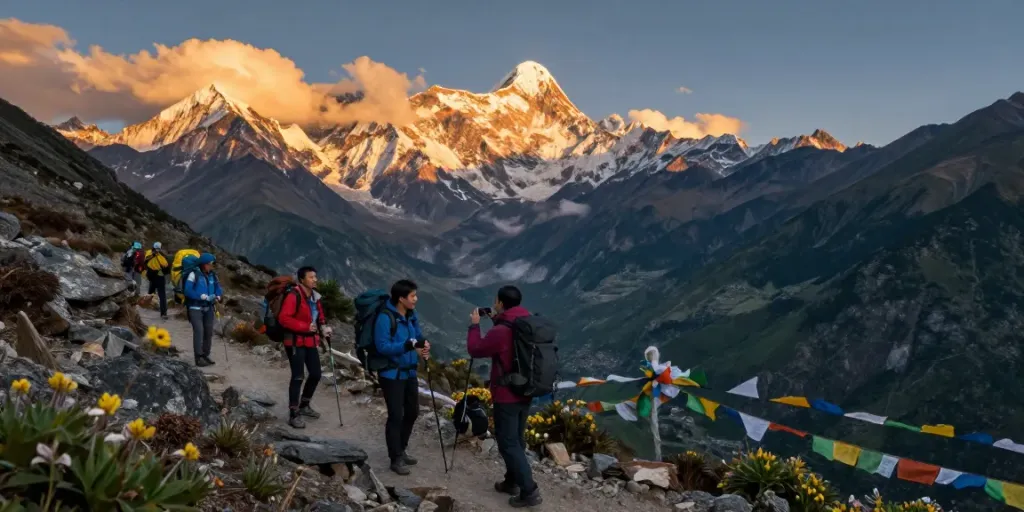
The Manaslu Circuit Trek is an exhilarating journey through some of the most stunning and varied landscapes in Nepal. Nestled in the Gorkha region, this trek is known for its breathtaking views of the majestic Mount Manaslu, the eighth-highest mountain in the world. Over the course of 15 days, trekkers experience a harmonious blend of rich cultural heritage and scenic beauty, traversing lush valleys, alpine forests, and high-altitude terrains. With its relatively less crowded trails compared to more popular treks like Everest Base Camp or Annapurna Circuit, the Manaslu Circuit Trek offers an authentic trekking experience, deep immersion in local culture, and a chance to witness the extraordinary biodiversity of the Himalayas.
What is the Manaslu Circuit Trek?
The Manaslu Circuit Trek is a controlled trekking route that offers the chance to explore the natural wonders and cultural richness of the Manaslu Conservation Area. Although this trek has gained popularity in recent years, it still maintains an aura of seclusion and tranquility, making it ideal for adventure seekers looking for a unique experience. The trek typically starts in Soti Khola and culminates at Dharapani, covering approximately 177 kilometers. Trekkers will navigate diverse ecosystems, encounter Tibetan-influenced villages, and cross the daunting Larkya La Pass.
Key Highlights of the Trek
- Stunning views of Mount Manaslu and surrounding peaks
- Crossing the Larkya La Pass at 5,160 meters
- Visiting local monasteries and experiencing Tibetan culture
- Exploration of traditional Gurung and Tibetan villages
- Encountering rare wildlife within the Manaslu Conservation Area
Who Should Consider This Trek?
This trek is suitable for experienced trekkers with a good level of fitness, as it includes challenging ascents, high altitudes, and varying weather conditions. While previous trekking experience is beneficial, those in good health with a determination to conquer the trails can also enjoy this adventure. The trek's unique combination of natural beauty and cultural richness makes it particularly appealing for travelers seeking an immersive experience in Nepal's Himalayas.
Planning Your Manaslu Circuit Trek in 2026
Effective planning is crucial for a successful trek on the Manaslu Circuit. This involves deciding on the best time to embark on your journey, ensuring you have the right gear packed, and understanding the permits and regulations that govern trekking in this region.
Best Times to Trek: Seasons to Consider
The ideal months for trekking the Manaslu Circuit are during the spring (March to May) and autumn (September to November). These seasons provide stable weather conditions, making the trails more accessible and offering clearer views of the stunning Himalayan landscape. Spring showcases vibrant rhododendron blooms, while autumn offers spectacular views with crisp air and clear skies. Conversely, the monsoon (June to mid-September) brings heavy rainfall, which can lead to landslides and trail closures, while winter (December to February) presents extreme cold at high altitudes.
Essential Packing List for the Trek
Proper packing is essential for a comfortable trekking experience. Here’s a comprehensive list of essential items you can consider bringing along:
- Upper Body: Thermal base layers, fleece jackets, waterproof jacket
- Lower Body: Trekking pants, thermal leggings
- Footwear: Sturdy trekking boots, comfortable sandals
- Accessories: Warm hat, gloves, sunscreen, and lip balm
- First Aid Kit: Personal medications, altitude sickness medications
- Other Essentials: Sleeping bag, trekking poles, headlamp
Permits and Regulations You Need to Know
The Manaslu Circuit requires several permits, including the Manaslu Restricted Area Permit (MRAP), the Manaslu Conservation Area Permit (MCAP), and the Trekkers Information Management System (TIMS) card. Trekking agencies must arrange these permits, and it's crucial to have them checked at checkpoints throughout the trek. Understanding the regulations will ensure a smooth and enjoyable adventure.
What to Expect on the Trek
Understanding the daily itinerary and various options for accommodations and meals will help you prepare for the trek and enhance your experience along the way.
Daily Itinerary and Trekking Duration
The trek typically spans 15 days, where each day involves hiking between 5 to 8 hours depending on the segment. A typical itinerary includes rest days for acclimatization, ensuring that trekkers adapt to the changing altitudes effectively. Key stops include:
- Machha Khola
- Jagat
- Deng
- Namrung
- Lho
- Samagaon
- Samdo
- Dharmashala
- Bimthang
- Dharapani
Accommodation Options Along the Route
Accommodation varies from teahouses to lodges, offering basic comforts along the trek. Trekkers typically share dormitory-style rooms, with the possibility of upgrading to private rooms in some locations. Facilities are more basic in higher altitudes, particularly in Dharmashala and Bimthang, where sharing bathrooms is standard.
Food and Drink: What’s Available on the Trail?
Meals during the trek are primarily Nepali and Tibetan dishes, including dal bhat (rice and lentil), momos (dumplings), and various noodle-based dishes. Vegetarian options are widely available, and snacks such as chocolate bars and energy bars can be purchased along the way. It's also essential to stay hydrated, and trekkers can refill their water bottles with purified water provided at teahouses.
Safety and Preparation for the Manaslu Circuit Trek
Being well-prepared and aware of potential health risks is vital for a successful trek on the Manaslu Circuit. Understanding altitude sickness, maintaining physical fitness, and securing the right trekking support can significantly enhance your experience.
Understanding Altitude Sickness and Acclimatization
Altitude sickness can be a significant concern as trekkers ascend beyond 2,500 meters. Symptoms may include headaches, nausea, and fatigue. To minimize risks, trekkers should ascend slowly, allowing time for acclimatization. It’s advisable to take a rest day in Samagaon during the trek to adapt to higher elevations effectively.
Physical Fitness and Training Recommendations
A good level of physical fitness is essential for conquering the challenging trails. A recommended training regimen includes cardiovascular exercises such as running or cycling, as well as strength training to build muscle endurance. Aim for at least one hour of exercise four to five times each week in the months leading up to your trek.
Guide Services and Trekking Support Options
Engaging a licensed trekking guide is mandatory for the Manaslu Circuit. A knowledgeable guide not only helps navigate the trails but can also provide insights into local culture and address concerns regarding altitude sickness. Additionally, porters are available to assist with carrying heavy gear, allowing trekkers to focus on enjoying their journey.
Experiencing Local Culture and Nature on the Manaslu Circuit
One of the most enriching aspects of the Manaslu Circuit Trek is the opportunity to engage with local communities and experience the region's diverse natural landscape.
The Rich Cultural Heritage of the Manaslu Region
The trek offers a deep dive into the cultural heritage of the Gurung and Tibetan communities who inhabit the region. Trekkers will encounter ancient monasteries, traditional customs, and the warm hospitality of the local people, enriching the overall trekking experience.
Wildlife and Natural Diversity Along the Trek
The Manaslu Conservation Area is home to a diverse range of flora and fauna, including the elusive snow leopard and various species of Himalayan birds. Nature enthusiasts will appreciate the stunning landscapes and unique ecosystems encountered throughout the trek.
Engaging with Local Communities During Your Trek
Interacting with local communities allows trekkers to gain unique insights into their way of life. Visitors can engage in traditional practices, participate in local festivals if the timing is right, and contribute to the local economy by purchasing handmade crafts and goods.
What is the Manaslu Circuit Trek cost?
The cost for the Manaslu Circuit Trek typically ranges from $1,500 to $2,500, depending on the season, the number of participants, and the specific services included in the package. It's crucial to understand the breakdown of expenses, including accommodation, meals, permits, and guide fees, to budget effectively.
How difficult is the Manaslu Circuit Trek?
The difficulty of the trek is rated as moderate to challenging due to high altitudes and rugged terrains. Trekkers should be prepared for long hiking hours and a variety of trail conditions. However, with adequate preparation and determination, it is achievable for most reasonably fit individuals.
Can beginners do the Manaslu Circuit Trek?
While the trek is best suited for those with some trekking experience, beginners can undertake it with proper physical preparation and acclimatization. Traveling with a guide can help ensure safety and comfort throughout the journey.
How does Manaslu compare to other treks in Nepal?
The Manaslu Circuit offers a more secluded experience compared to the Annapurna Circuit and Everest Base Camp treks. Its restricted status limits the number of trekkers, allowing for a more tranquil journey amidst stunning landscapes and rich cultural interactions.
What gear is necessary for the Manaslu Circuit Trek?
Essential gear includes sturdy trekking boots, layered clothing suitable for varying temperatures, a high-quality sleeping bag rated for cold weather, and trekking poles for stability. Proper gear will not only enhance comfort but also contribute to safety during the trek.