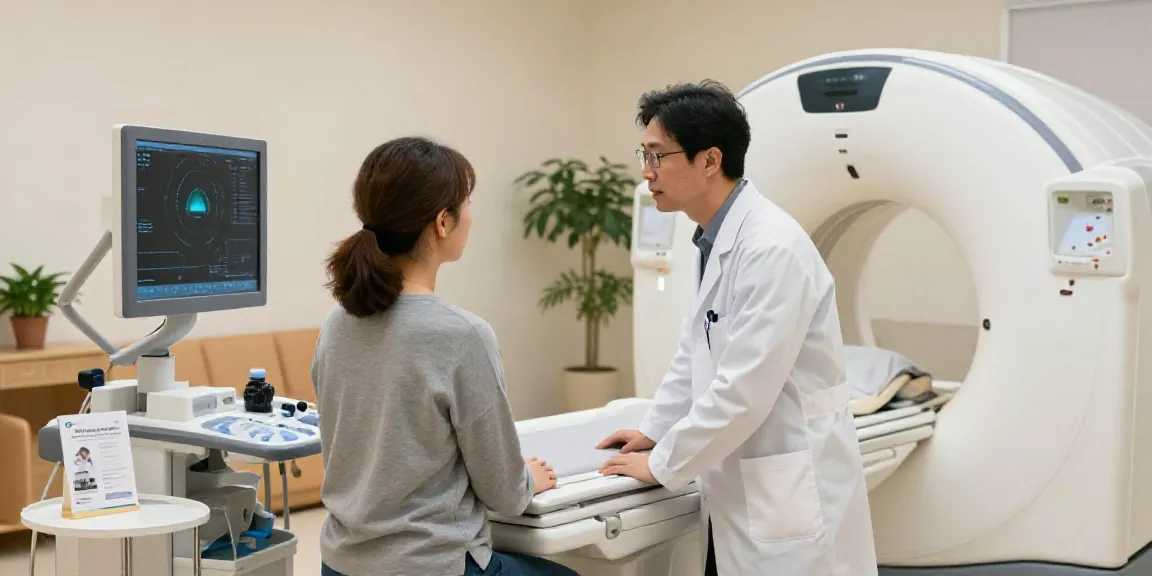
Understanding Stomach Cancer
Stomach cancer, also known as gastric cancer, refers to the growth of malignant cells in the lining of the stomach. This disease can progress silently, often evading detection until it reaches later stages. Stomach cancer is notably challenging due to its vague symptoms, which may be attributed to more benign gastrointestinal issues. Despite these challenges, early detection and treatment significantly improve outcomes. When exploring options, stomach cancer treatment in Abu Dhabi offers comprehensive insights tailored to patients seeking effective care.
What is Stomach Cancer?
Stomach cancer develops when cells in the stomach lining undergo mutations, leading to uncontrolled growth and the formation of tumors. It can originate from various types of cells within the stomach, including glandular cells, which produce digestive juices. The cancer can also affect nearby tissues and organs, leading to metastasis, which complicates treatment options. Understanding the stages of stomach cancer is crucial, as treatment plans vary significantly depending on the extent of disease progression.
Symptoms and Early Detection
Recognizing the symptoms of stomach cancer early can drastically impact treatment effectiveness. Common symptoms include:
- Unexplained weight loss
- Persistent stomach pain or discomfort
- Nausea and vomiting, especially if blood is present
- Loss of appetite
- Difficulty swallowing
- Fatigue
- Heartburn or indigestion that doesn’t resolve
These symptoms may easily be mistaken for less serious conditions, which can delay diagnosis. Regular check-ups and consultations with healthcare providers are essential for those at high risk.
Importance of Timely Diagnosis
Timely diagnosis of stomach cancer can lead to better treatment outcomes. Diagnostic methods include endoscopy, biopsy, and imaging tests such as CT scans or MRIs. Early-stage stomach cancer (stages I and II) has more treatment options, including surgery, which may be curative. In contrast, late-stage cancers may require more aggressive treatments aimed at symptom management rather than cure.
Why Choose Us for Stomach Cancer Treatment in Abu Dhabi?
Expert Medical Team and Multidisciplinary Approach
The Cleveland Clinic Abu Dhabi's Esophageal and Stomach Cancer Program presents a unique, multidisciplinary approach to cancer care. Our expert team includes oncologists, gastroenterologists, and surgeons who collaborate to create personalized treatment plans for each patient. This comprehensive method ensures that all aspects of a patient’s health are considered, resulting in tailored treatments that address specific needs.
Advanced Treatment Technologies
Our program is equipped with the latest in medical technology, offering advanced diagnostic tools and innovative treatment options such as minimally invasive surgical techniques and targeted therapies. This not only improves treatment efficacy but also enhances patient recovery times. With ongoing research and clinical trials, we are also at the forefront of developing cutting-edge treatment modalities.
Patient-Centric Care Models
At Cleveland Clinic Abu Dhabi, patient care extends beyond medical treatment. We emphasize the importance of emotional and psychological support, providing access to counseling services and support groups. This holistic approach fosters a supportive environment conducive to healing and recovery, ensuring that patients and their families feel empowered throughout the treatment journey.
Common Treatment Options
Surgical Interventions: When and How?
Surgery is often the primary treatment for stomach cancer, aiming to remove the tumor and potentially surrounding affected tissue. The type of surgical intervention varies based on cancer stage:
- Endoscopic resection: For very early-stage cancers, this minimally invasive procedure may be sufficient to remove cancerous tissue.
- Partial or total gastrectomy: This involves removing part or the entire stomach, depending on the tumor's location and size.
- Palliative surgeries: These are performed to relieve symptoms when the cancer is not resectable but allows for improved quality of life.
Chemotherapy and Targeted Therapies
Chemotherapy plays a pivotal role in the treatment of stomach cancer, often used in combination with surgery. It can shrink tumors before surgery or eliminate remaining cancer cells afterward. Targeted therapies, which focus on specific abnormalities within cancer cells, represent a promising alternative for some patients, especially those with advanced disease.
Innovative Treatments in 2026
As we move into 2026, the landscape of stomach cancer treatment continues to evolve rapidly. Advances in immunotherapy, which harnesses the body's immune system to fight cancer, show great promise. Clinical trials also assess novel combinations of existing therapies to enhance effectiveness and minimize side effects. Patients at Cleveland Clinic Abu Dhabi are among the first to access these emerging treatments, ensuring they benefit from the latest developments in cancer care.
Prevention and Risk Factors
Identifying Risk Factors for Stomach Cancer
Understanding risk factors is crucial for prevention and early detection of stomach cancer. Some known risk factors include:
- Age: Most commonly diagnosed in individuals over 50.
- Family history of stomach cancer or genetic syndromes.
- Chronic stomach inflammation or conditions like gastritis.
- Helicobacter pylori infection: This bacterium is linked to stomach ulcers and increased cancer risk.
- Smoking and excessive alcohol consumption.
- Poor diet: Diets low in fruits and vegetables and high in salted or smoked foods may increase risk.
Preventive Measures You Can Take
While it may not be possible to prevent stomach cancer entirely, several lifestyle changes can significantly reduce risk:
- Maintain a healthy weight through diet and exercise.
- Incorporate fruits and vegetables into your diet, focusing on whole foods.
- Avoid smoking and limit alcohol consumption.
- Seek treatment for any chronic stomach conditions.
- Discuss family medical history with your doctor, who may recommend screening or surveillance if necessary.
Importance of Regular Screening
For individuals at high risk, regular screening through endoscopy and testing for H. pylori can facilitate early intervention, significantly improving chances of successful treatment. It is essential to engage with healthcare professionals to determine personal risk levels and appropriate screening schedules.
Real Patient Stories and Outcomes
Success Stories: Triumph Over Stomach Cancer
Stories of patients who have successfully battled stomach cancer offer hope and inspiration. Many of these individuals share experiences that highlight the importance of early detection and comprehensive treatment approaches. From personalized care to cutting-edge therapies, these narratives underscore the effectiveness of modern oncology practices.
Patient Support Services and Resources
The journey through cancer treatment can be overwhelming, but Cleveland Clinic Abu Dhabi provides a wealth of support services, including nutrition counseling, pain management, and mental health resources. We encourage patients and families to take advantage of these services, as they are integral to the recovery process.
FAQs from Patients and Families
Common questions regarding stomach cancer treatment include:
What are the costs associated with stomach cancer treatment?
The cost of treatment varies based on numerous factors, including type of treatment, hospital stay, and specific therapies involved. To get a clearer understanding of potential costs, it’s advisable to consult with our financial advisers.
Is stomach cancer treatment covered by insurance in UAE?
Many insurance companies offer coverage for stomach cancer treatment. However, it is important to verify with your provider to understand the specifics of your plan.
How can I schedule an appointment for treatment?
Appointments can be easily scheduled online or through our contact number. We encourage patients to reach out as soon as possible to discuss treatment options.
What lifestyle changes can aid recovery?
Incorporating a balanced diet, regular exercise, and stress management techniques can significantly aid recovery post-treatment. Patients should also maintain regular follow-ups with their healthcare team.
Are there clinical trials available for stomach cancer?
Patients interested in clinical trials can speak with their doctors to explore current studies. Participating in clinical trials may provide access to innovative therapies and contribute to advancing cancer research.