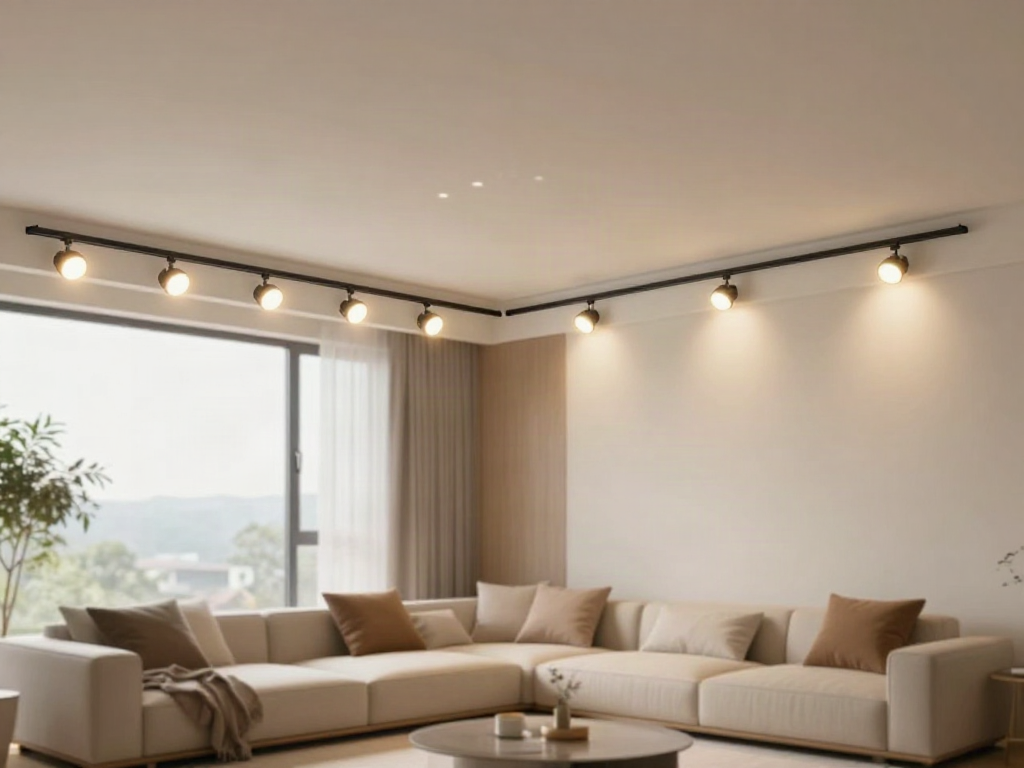
Modern construction increasingly focuses on creating interiors that combine visual appeal, smooth finishes, durability, and efficient application. Wall and ceiling treatments have become key to achieving consistent results across residential and commercial spaces. Advances in material technology are helping construction professionals improve surface quality while reducing unnecessary finishing work. These developments have also increased attention toward materials that offer practical application, reliable performance, and compatibility with contemporary interior requirements.
The growing role of a gypsum company reflects this shift toward improved interior finishing solutions. Gypsum-based materials are widely used for walls, ceilings, decorative details, and other interior applications where smoothness and workability matter.
Modern Gypsum Solutions Improving Interior Finishes
Advanced gypsum solutions are helping construction professionals achieve smoother surfaces, efficient application, and dependable finishing results across different interior projects.
1. Creating Smooth And Uniform Surfaces
Surface quality plays a key role in an interior's final appearance. Gypsum-based finishing materials help create smooth, even surfaces that provide a solid foundation for painting and decorative treatments. Consistent application also reduces visible surface irregularities, helping walls and ceilings look cleaner. For contractors, reliable material performance makes it easier to maintain uniform finishing standards across multiple rooms and project areas while supporting a more refined overall interior design.
2. Improving Application Efficiency
Modern construction projects require materials that support efficient workflows without compromising finishing quality. Gypsum solutions can offer practical workability, allowing trained professionals to apply material more consistently across interior surfaces. Efficient application reduces unnecessary labour and improves project scheduling when the material matches the surface and intended use. Better workability also allows finishing teams to manage larger areas more systematically, supporting smoother progress from surface preparation through final finishing.
3. Supporting Interior Design Flexibility
Interior spaces increasingly include decorative features such as mouldings, arches, ceiling details, and customised surface treatments. Gypsum materials support these applications because they can be shaped and finished to meet different design requirements. This flexibility lets architects and contractors create interiors that go beyond basic flat surfaces. By combining functional finishes with decorative options, gypsum technology can support contemporary interiors that reflect different architectural styles while maintaining a consistent, polished visual character.
4. Enhancing Surface Preparation
A well-prepared surface is essential for achieving attractive interior finishes. Gypsum-based materials can help address uneven areas and provide a smoother base before subsequent decorative treatments. Proper preparation can improve the appearance of painted surfaces and help reduce imperfections that might otherwise become more noticeable after finishing. Contractors can achieve better results by assessing the substrate, preparing it correctly, and selecting a suitable gypsum formulation for the intended application rather than relying on a single material for every construction requirement.
Material Innovation Shaping Better Wall And Ceiling Results
Material innovation is changing expectations around interior construction by combining smoother finishes, practical application, and improved consistency across walls and ceilings.
The growing use of gypsum plaster shows the importance of selecting materials that support both finishing quality and construction efficiency. Modern formulations are developed for different applications, allowing project teams to consider setting behavior, workability, coverage, surface requirements, and intended finishing outcomes. Choosing an appropriate product for project conditions can improve productivity while creating interiors with a more consistent appearance.
Smarter Construction Practices Supporting Finish Quality
Construction quality depends not only on material selection but also on preparation, application, storage, and finishing practices. A coordinated approach helps professionals achieve reliable results across different interior environments.
1. Selecting Materials According To Application
Different interior surfaces can require different material characteristics. Walls, ceilings, decorative elements, and repair areas may have distinct application requirements. Choosing a product for the specific project helps contractors avoid unsuitable applications and supports more consistent finishes. Material selection should consider surface condition, required thickness, working conditions, desired finish, and project timelines. A more informed selection process reduces avoidable problems and helps construction teams achieve results that match the intended design and performance expectations.
2. Maintaining Correct Mixing Practices
Mixing directly affects the workability and performance of gypsum-based materials. Construction teams should follow the manufacturer's recommended instructions regarding water quantity, preparation, and application. Consistent mixing helps maintain uniform material characteristics throughout the project and reduces variations between different batches. Proper preparation also supports smoother application and can help prevent unnecessary wastage. Following established procedures helps workers achieve greater consistency and makes the finishing process more predictable and manageable.
3. Managing Storage And Site Conditions
Unsuitable storage conditions can affect material quality. Gypsum products should generally be protected from moisture and stored under conditions appropriate to the product instructions. Proper storage helps maintain material quality before application and reduces the possibility of avoidable deterioration. Site teams should also consider temperature, humidity, surface condition, and ventilation when planning interior finishing work. Managing these factors carefully supports consistent application and helps protect the finished surface.
4. Improving Finishing Consistency
Consistent application requires attention to surface preparation, thickness, working technique, and finishing procedures. Experienced professionals can maintain better uniformity by following established application practices throughout a project. Consistency matters most across large wall areas, where variations become visually noticeable. Using appropriate tools and maintaining organised workflows can further improve results. A controlled finishing process helps create surfaces that appear balanced, smooth, and ready for subsequent painting or decorative treatments.
Conclusion
Advancements in gypsum technology are reshaping interior finishing by enabling smoother surfaces, more efficient application, greater design flexibility, and more consistent construction results. Careful material selection and professional application remain essential to achieving durable, visually appealing interiors. As construction requirements continue evolving, quality-focused gypsum solutions can help contractors and designers deliver better wall and ceiling finishes while maintaining practical project workflows.
For projects seeking dependable interior finishing materials, Trimurti gypsum plaster solutions offer options designed for modern construction requirements. Trimurti Products focuses on quality, innovation, and construction material solutions, with gypsum products developed for applications including interior walls, ceilings, and decorative finishing. Its emphasis on consistent product performance and evolving construction needs makes it a relevant choice for professionals seeking reliable gypsum-based solutions.