
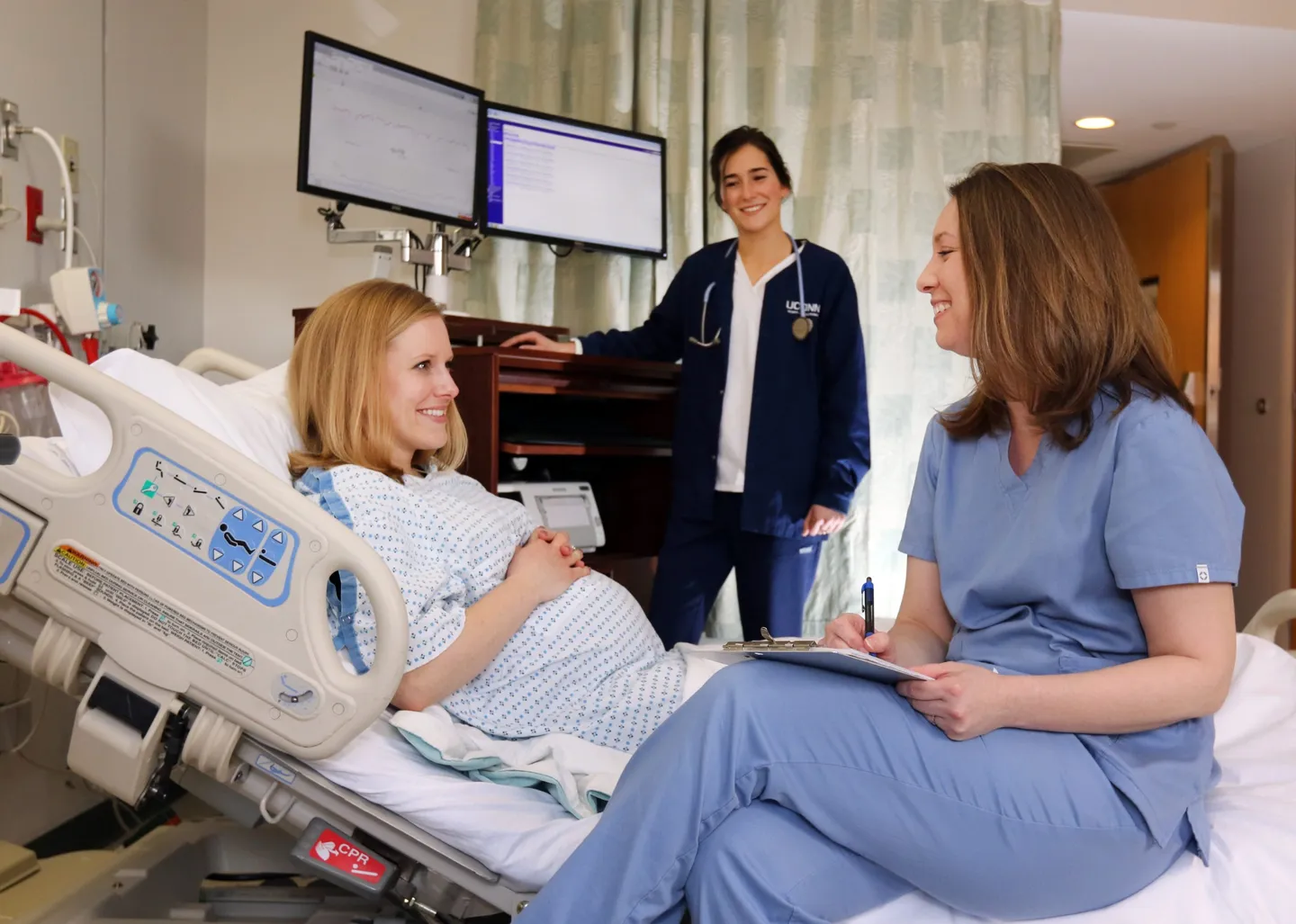
Finding out you're pregnant sets off a wave of excitement, followed almost immediately by a long list of decisions. Which doctor to see, which tests matter most, how to prepare for the months ahead. Many expecting mothers start their search by looking for a reliable maternity hospital in Hyderabad, only to realize that pregnancy planning involves far more than picking a location close to home. The choices made in the earliest weeks often shape how smoothly the rest of the pregnancy unfolds.
Choosing the Right Care Team Early
The first major decision every expecting mother faces is who will guide her through the pregnancy. This choice matters more than most people realize, since a strong doctor-patient relationship built early tends to make every subsequent visit, test, and decision feel less stressful.
Look for a doctor who listens carefully, explains findings in plain language, and takes time to address concerns rather than rushing through appointments. Continuity matters just as much as credentials. A mother who sees the same doctor throughout pregnancy benefits from someone who knows her medical history, tracks subtle changes over time, and can spot patterns that a rotating team of doctors might miss.
This relationship becomes especially valuable if complications arise later in the pregnancy, when trust and familiarity make difficult conversations easier to navigate. It also helps to confirm early on whether the same doctor will be available for delivery, since some practices rotate on-call schedules that mean a different doctor could end up in the delivery room.
Understanding Essential Prenatal Tests
Prenatal testing can feel overwhelming, with a long list of blood tests, ultrasounds, and screenings scheduled across each trimester. Understanding the purpose behind each test helps mothers feel more in control rather than simply following instructions without context. Early blood work checks for anemia, blood type, infections, and baseline thyroid function.
First-trimester screening and nuchal translucency scans assess the risk of chromosomal conditions, while the anomaly scan around eighteen to twenty weeks examines the baby's physical development in detail. Glucose screening later in pregnancy checks for gestational diabetes, a condition that affects a meaningful percentage of pregnancies and requires careful management once diagnosed.
Knowing what each test looks for, and why timing matters, helps mothers ask better questions during appointments rather than feeling like passive participants in their own care. A written schedule of upcoming tests, shared at the start of pregnancy, also helps mothers plan around work commitments and avoid missing a screening window that only opens for a few weeks.
Nutrition and Lifestyle Adjustments That Actually Matter
Pregnancy nutrition advice often gets buried under conflicting information from well-meaning friends and family. The essentials remain fairly consistent: adequate folic acid intake, sufficient iron and calcium, and steady, moderate weight gain tracked against a doctor's recommendations rather than generic charts.
Hydration, regular light activity when medically appropriate, and consistent sleep patterns all support a healthier pregnancy, even though they receive less attention than dietary supplements. Certain lifestyle adjustments carry more weight than others. Avoiding alcohol and tobacco, limiting caffeine intake, and steering clear of specific medications without medical guidance protect fetal development directly.
Mothers working with a trusted gyno specialist throughout pregnancy get personalized guidance on these adjustments, rather than relying on generic advice that doesn't account for individual health history or existing conditions. This individualized approach also helps mothers understand which common recommendations apply to their specific situation and which ones matter less than the internet might suggest.
Preparing for High-Risk Scenarios
Not every pregnancy follows a straightforward path. Conditions like gestational diabetes, preeclampsia, placenta previa, or advanced maternal age can shift a pregnancy into a higher-risk category, requiring closer monitoring and, in some cases, specialist referrals. Understanding these risk factors ahead of time, rather than learning about them during a stressful diagnosis, helps mothers approach these conversations with less anxiety. Selecting a facility equipped to handle complications, should they arise, matters enormously here.
A mother researching options for the best hospital for pregnancy in Hyderabad should look specifically at whether a facility has fetal medicine specialists, a well-equipped NICU, and clear protocols for managing high-risk deliveries, rather than assuming every hospital offers the same level of preparedness for complications. Asking direct questions about transfer protocols and emergency response times, rather than relying solely on general reputation, gives a clearer picture of how a hospital actually performs under pressure.
Planning for Delivery and Postpartum Recovery
Delivery planning deserves attention well before the due date arrives. Discussing pain management options, understanding when a cesarean section might become necessary, and knowing what to expect immediately after birth all reduce uncertainty during labor itself. Mothers who go into delivery with realistic expectations, rather than a rigid birth plan, tend to adapt more easily if circumstances change.
Postpartum recovery often gets less attention than pregnancy itself, despite being equally important. Physical healing, hormonal adjustments, and the practical realities of caring for a newborn all require support systems planned in advance, whether that means arranging help at home or scheduling follow-up visits to monitor recovery closely during the first six weeks.
Mental health deserves equal attention during this period, since mood changes and fatigue during the postpartum weeks are common and manageable when caught early, rather than dismissed as something every new mother simply has to push through alone.
Conclusion
Pregnancy planning involves far more than a single decision made early on. Choosing the right care team, understanding essential prenatal tests, adjusting nutrition and lifestyle habits, and preparing for both routine and high-risk scenarios all shape how smoothly a pregnancy unfolds. Mothers who stay informed and build a strong relationship with a trusted gyno specialist throughout this journey put themselves in the best possible position for a healthy pregnancy and a confident transition into motherhood. Ankura Hospital supports expecting mothers through every stage of pregnancy planning, bringing together experienced obstetricians, fetal medicine specialists, and dedicated maternity teams to guide families with consistent, personalized care from the very first prenatal visit.