Understanding the Rope Bridge
A rope bridge is not merely a functional structure; it is a symbol of adventure and exploration that has captivated the imaginations of both children and adults alike. These unique constructs, often found suspended between trees in backyards or spanning narrow ravines in more remote areas, provide not just a means of crossing but a thrilling experience that challenges one's balance and bravery. As you consider incorporating a rope bridge into your outdoor space, Rope Bridge designs offer an array of kits and ideas that can enhance your backyard adventure zone.
What is a Rope Bridge?
A rope bridge, often referred to as a suspension bridge, is designed primarily using ropes and cables for support. It has been a crucial design across various cultures, serving both practical and recreational purposes. These bridges are typically lightweight, allowing for ease of installation and mobility. Traditionally, rope bridges are often made from natural fibres such as jute or hemp, but modern variations use synthetic materials for improved durability and weather resistance.
The History and Evolution of Rope Bridges
The history of rope bridges dates back centuries, with early examples found in the mountainous regions of South America, particularly among the Incan civilisation. These ancient structures were vital for connecting communities isolated by rugged terrain. As time progressed, the techniques for building rope bridges evolved, influenced by advancements in material science and engineering practices. Today, rope bridges are used not only in remote areas but also in urban settings, playgrounds, and adventure parks, showcasing their versatility and enduring appeal.
Key Components of a Rope Bridge
Understanding the essential components of a rope bridge is crucial for anyone looking to build or use one. The primary elements include:
- Decking: This is the surface that users walk on, typically made from wooden planks or netting.
- Cables and Ropes: The core support structure, these materials must be strong enough to carry the weight of those crossing.
- Anchorage Points: These secure the bridge at either end, ensuring stability and safety.
- Safety Rails: Often included for added safety, these can be made from ropes or other materials.
Benefits of Using a Rope Bridge
Enhancing Physical Activity for Children
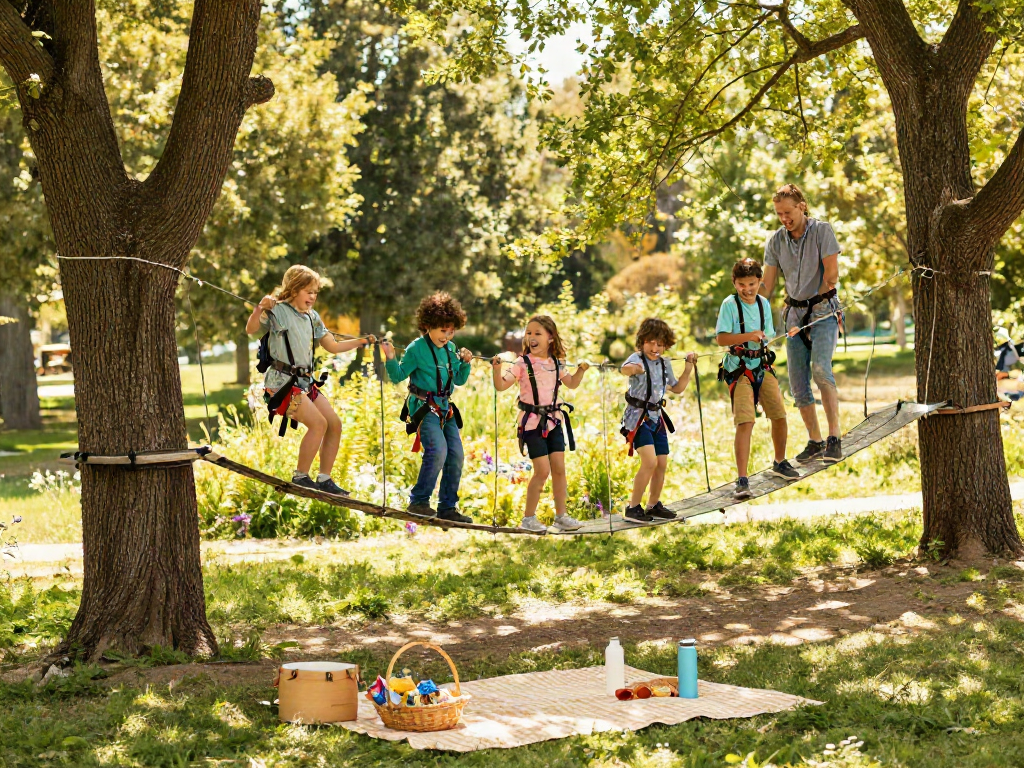
Rope bridges encourage children to engage in physical activity, enhancing their gross motor skills and fostering a love for outdoor play. Climbing, balancing, and traversing these structures promotes strength, coordination, and confidence. Furthermore, they provide an excellent alternative to more sedentary indoor activities, contributing positively to children's overall health.
Promoting Teamwork and Collaboration
Crossing a rope bridge often requires teamwork, particularly in scenarios where multiple individuals share the space. Whether it's a group of friends navigating a backyard bridge or participants in a team-building exercise, these structures foster communication and collaboration, enhancing social skills among children and adults alike.
Engaging Outdoor Family Activities
Rope bridges are a fantastic addition to family outdoor spaces, encouraging family bonding through shared experiences. Parents and children can work together to build, decorate, or enhance a rope bridge setup, providing ample opportunities for interaction and creativity.
Design Considerations for Rope Bridges
Choosing the Right Materials for Safety
Safety is paramount when constructing a rope bridge. Ideal materials should include UV-resistant ropes and weatherproof decking to withstand the elements. The best option for ropes is generally a high-strength polyester, which offers durability and resistance to moisture, ensuring a long-lasting structure.
Optimal Height and Structure for Adventure
Determining the height of a rope bridge is essential for ensuring a thrilling yet safe experience. Bridges should be elevated enough to provide an adventure but not so high as to pose a danger. Generally, a height of 1.5 to 2 metres off the ground is recommended for child-friendly structures, balancing excitement with safety.
Environmental Factors to Consider
When planning the construction of a rope bridge, various environmental elements must be taken into account, including:
- Weather Conditions: Consider local weather patterns that might affect the durability of the materials used.
- Location: Ensure the chosen site is free from hazardous elements like sharp rocks or unstable ground.
- Wildlife: Be mindful of local fauna that may inhabit the area and how your bridge might impact their habitat.
Alternatives to Traditional Rope Bridges
Exploring Suspended Walkways and Zip Lines
For those seeking variety in outdoor play structures, suspended walkways and zip lines are excellent alternatives. These options provide similar thrills, incorporating elements of speed and adventure while still promoting physical activity.
Other Creative Outdoor Play Structures
Aside from rope bridges, consider incorporating other creative elements such as climbing walls, multi-level tree houses, or obstacle courses. These structures can work in tandem with a rope bridge to create a diverse outdoor adventure space.
Comparative Analysis: Rope Bridges vs. Alternatives
When comparing rope bridges to alternatives like traditional bridges or playground equipment, several factors come into play:
- Cost: Rope bridges can be more cost-effective compared to building larger, more traditional play structures.
- Space Requirements: Rope bridges often require less ground space, allowing for creative use of smaller areas.
- Engagement: The unique challenge offered by a rope bridge can engage children differently than conventional playground equipment.
Future Trends in Rope Bridge Design (2026 and Beyond)
Innovative Materials and Technologies
The future of rope bridge design is looking towards innovative materials that enhance safety and durability. Developments in synthetic ropes and eco-friendly materials are paving the way for stronger, more sustainable options that cater to modern needs.
Integrating Sustainable Practices in Design
As sustainability becomes increasingly important, future designs will likely incorporate recycled materials and eco-friendly practices. This shift not only helps the environment but also appeals to environmentally conscious consumers.
Emerging Ideas in Outdoor Adventure Experiences
Exciting trends in outdoor adventure experiences are emerging, with interactive elements like augmented reality being tested in rope bridge settings. These innovations can transform how users engage with the bridge, adding layers of fun and education.
What is a rope bridge called?
Often, a rope bridge is referred to as a suspension bridge, highlighting its design structure where ropes provide the support for the decking, allowing for a unique crossing experience.
How do you make a rope bridge?
Creating a rope bridge involves selecting strong materials, determining secure anchorage points, and ensuring the design accommodates proper safety measures. Detailed guides can help novices understand the intricacies of rope bridge construction.
What type of rope is best for a rope bridge?
The best choice for rope bridges typically includes high-strength polyester ropes, as they offer excellent durability, moisture resistance, and a natural look, making them ideal for handrails and bridge structures.
Are rope bridges safe for children?
When constructed properly with safety features like railings and sturdy materials, rope bridges can be safe for children. Regular inspections and maintenance are essential to ensure ongoing safety and usability.
Where can I find the best rope bridge kits?
There are various retailers online that offer quality rope bridge kits, catering to different budgets and adventure needs. Researching options will help you find a kit that meets your criteria for materials and design.