
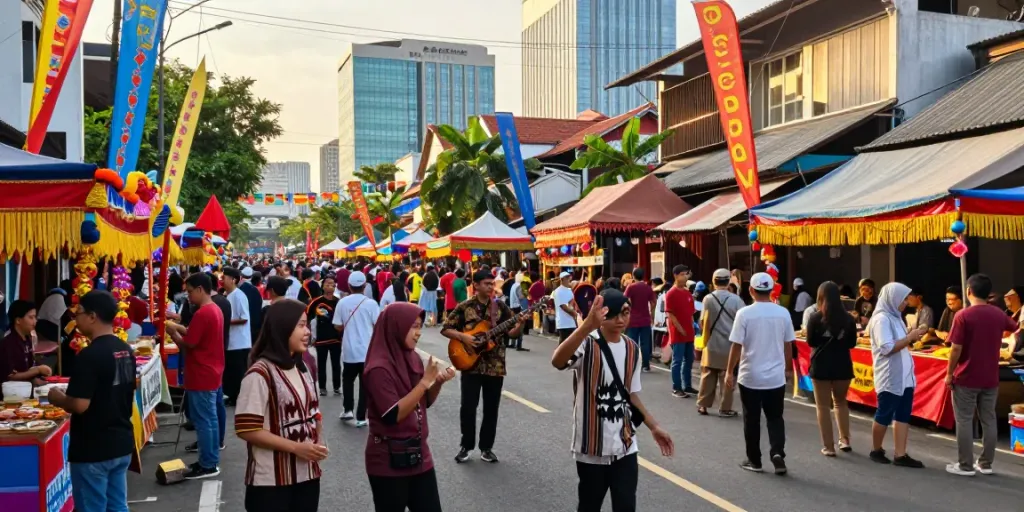
The Role of Community Events in Urban Development
Community events play a pivotal role in enhancing urban development, fostering a vibrant culture, and strengthening communal ties. In regions like Lampung, Indonesia, these events are not only showcases of local heritage but also serve as catalysts for economic growth and social cohesion. By bringing together diverse groups, they promote participation and engagement, which enhances the overall quality of life. As urban centers evolve, understanding the dynamics of community engagement becomes imperative for sustainable development.
For insights into the impact of community events and other urban initiatives, lornematthews.com serves as a valuable resource for stakeholders and community leaders alike.
Understanding Community Engagement and Its Benefits
Community engagement refers to the process of working collaboratively with the community to address issues affecting the well-being of its members. This approach not only empowers local residents but also builds trust between them and local authorities. Key benefits include:
- Increased Participation: Engaging the community encourages active participation in decision-making processes.
- Enhanced Quality of Life: By involving residents in planning and executing events, their needs and preferences are better addressed.
- Strengthening Social Networks: Events bring people together, fostering relationships and enhancing social capital.
- Economic Revitalization: Local events can boost business as visitors flock to participate in the festivities.
Case Studies: Successful Festivals in Lampung
In Lampung, festivals such as Siger Fest and local cultural celebrations have been instrumental in bringing together communities while boosting the local economy. Siger Fest, for instance, showcases the region's rich traditions, offering a platform for local artisans and businesses to display their products. Such events not only celebrate local culture but also attract tourists, creating ripple effects in hospitality and retail sectors.
Another example is the Lampung Cultural Festival, which brings together various performing arts, culinary experiences, and exhibitions. This annual event significantly increases foot traffic and provides an opportunity for local vendors to thrive.
Strategies for Enhancing Local Participation
To maximize community participation in events, organizers should focus on inclusive strategies that resonate with diverse audiences. Some effective approaches include:
- Market Research: Understanding the preferences and demographics of the community can tailor events to meet their expectations.
- Collaborative Planning: Involving local influencers and stakeholders in the planning process encourages broader community ownership.
- Utilizing Technology: Leveraging social media and event apps can enhance outreach and engagement, particularly among younger demographics.
- Feedback Mechanisms: Collecting input from participants post-event can inform future planning and improve experiences.
Economic Impacts of Festivals in Lampung
The economic implications of community events can be profound, especially in regions like Lampung. Festivals can significantly boost local businesses, thereby enhancing the overall economic landscape.
Boosting Local Businesses through Increased Foot Traffic
Local businesses often witness a surge in customers during community festivals. For example, restaurants and shops located near event venues can experience a notable increase in sales. This influx encourages business owners to invest more in their operations, creating jobs and stimulating the economy.
Furthermore, vendors at these events can promote their offerings, leading to permanent customer relationships well beyond the festival.
Exploring Revenue Generation Opportunities
Festivals not only generate immediate sales but also open avenues for long-term revenue generation. Local governments may capitalize on festival tourism by increasing funding for infrastructure improvements, such as better roads and public transport, which enhance accessibility to local attractions.
Partnerships with sponsors can also help fund events, alleviating financial burdens on organizers while providing sponsors with marketing opportunities.
Long-term Economic Benefits for the Region
Over time, successful festivals lead to increased recognition of a region, attracting new businesses and tourists. Communities may become known for their events, leading to annual tourism spikes. The consistent influx of visitors can transform local economies, creating a cycle of growth and sustainability.
Challenges in Organizing Community Events
While the benefits of community events are substantial, organizers often encounter various challenges that can hinder their success. Awareness of these obstacles is essential for effective planning.
Common Obstacles for Event Planners
Event planners often face issues such as limited resources, insufficient volunteers, and time constraints. Without adequate funding and support, it can be difficult to plan comprehensive events that meet community expectations. Planners must be resourceful in addressing these hurdles, often requiring collaboration with local organizations for support.
Regulatory Hurdles and Compliance Issues
Compliance with local regulations is crucial for the successful execution of events. Navigating permits, insurance, and safety regulations can be complex and time-consuming. Event organizers must be proactive in understanding these regulations and ensuring all aspects of the event align with local laws.
Finding Sustainable Funding Sources
Securing sustainable funding remains a significant challenge for many community events. Relying on ticket sales alone may not cover costs, thereby requiring a diverse funding strategy that encompasses sponsorships, grants, and community contributions. Developing relationships with local businesses can help secure sponsorships that provide vital financial support while promoting local commerce.
Designing Memorable Experiences for Attendees
Creating an unforgettable experience for attendees is essential for the success of community events. Engaging activities and attractions can significantly influence participant satisfaction and future attendance.
Creating Engaging Activities and Attractions
Event organizers must strive to offer a variety of activities that appeal to a wide audience. This could include live music performances, local food vendors, artisan markets, and interactive workshops. The more diverse the attractions, the more likely attendees will leave with positive impressions and memories.
The Importance of Cultural Representation
Community events should aim to represent and celebrate the diversity within the region. Including various cultural expressions through dance, music, and food can enhance community pride and foster inclusion, enriching the overall event experience.
Feedback Mechanisms for Continuous Improvement
Gathering feedback post-event is crucial for understanding what worked well and what could be improved. Surveys, suggestion boxes, and social media engagement can provide valuable insights that help refine future events, ensuring they evolve according to community needs.
Looking Ahead: The Future of Community Festivals in 2026
As we look toward 2026, the landscape of community festivals is set to evolve significantly. Emerging trends indicate how technology and changing societal norms will shape future celebrations.
Emerging Trends in Festival Planning
One notable trend is the integration of sustainability into event planning. Community festivals are increasingly adopting eco-friendly practices, such as waste reduction strategies and sustainable sourcing for food and materials. This shift aligns with growing consumer preferences for environmentally responsible events.
Technology's Role in Enhancing Event Experiences
Technological advancements are transforming how festivals are planned and experienced. Virtual reality (VR) and augmented reality (AR) are starting to play roles in creating immersive experiences, allowing participants to engage with the event in innovative ways. Additionally, event apps can enhance attendee experiences by providing real-time information on schedules, maps, and vendor offerings.
Predictions for the Evolution of Local Celebrations
As communities continue to adapt to change, the future of local celebrations will likely reflect broader social trends. Festivals may increasingly focus on inclusivity, highlighting diverse cultures and voices within communities. Engaging younger demographics will be crucial, with strategies that leverage social media and technology to create buzz and excitement around events.
What types of community events are most impactful?
Impactful community events often include cultural celebrations, food festivals, and art fairs, as they engage a wide audience and foster community spirit. The key is ensuring that the events are inclusive and reflective of the community's diversity.
How do festivals affect local economies?
Festivals stimulate local economies by driving traffic to businesses and creating temporary jobs. They can also enhance tourism, which brings in outside revenue, boosting the overall economic landscape.
What challenges do organizers face when planning events?
Organizers frequently face challenges such as securing funding, navigating regulatory compliance, and ensuring sufficient volunteer support. Addressing these hurdles requires strategic planning and community collaboration.
How can local businesses leverage community festivals?
Local businesses can leverage community festivals by participating as vendors, sponsoring events, or hosting activities. This engagement increases visibility and can lead to long-term customer relationships.
What are the future trends in community engagement?
Future trends in community engagement are likely to involve more digital interactivity, sustainability efforts, and a focus on diversity and inclusivity. Communities will increasingly look to foster connections through innovative and engaging formats.