Understanding Early Childhood Education
Early childhood education plays a pivotal role in shaping the foundational skills necessary for lifelong learning and development. As parents assess options for their child's preschool experience, they often prioritize institutions that foster creativity, communication, and critical thinking. One such institution that stands out is Pegasus International Preschool, renowned for its innovative Best preschool Singapore approach. This article delves into the significance of early education and highlights the various aspects of effective preschool programs.
What is Inquiry-Based Learning?
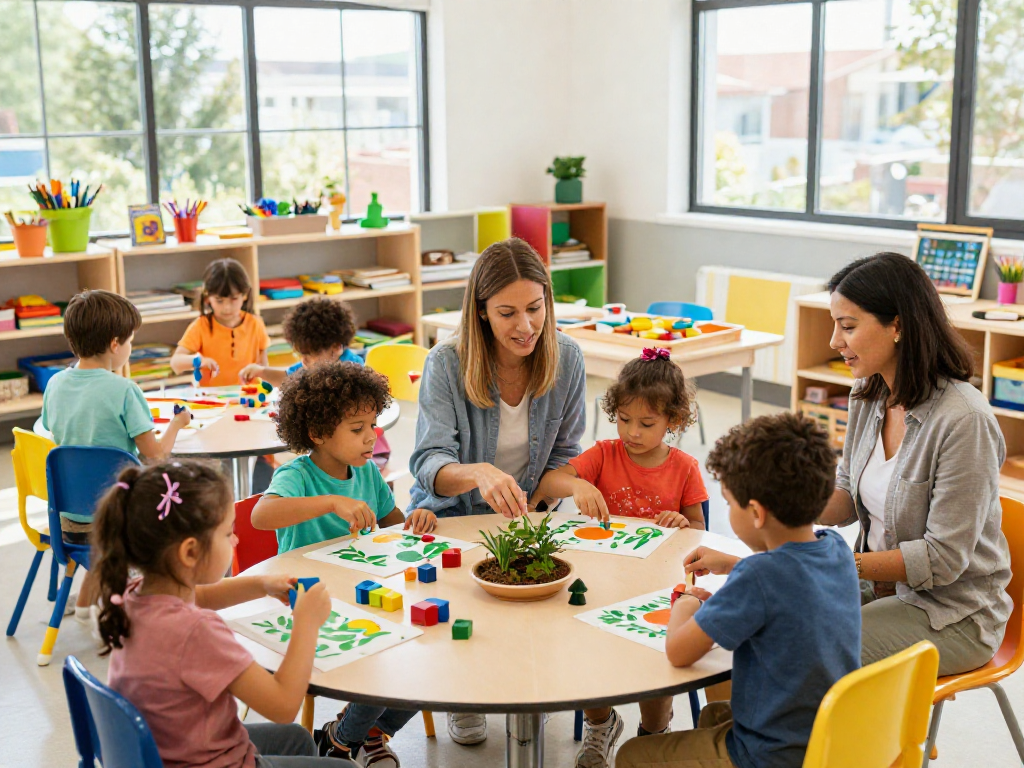
Inquiry-based learning is a dynamic and interactive instructional approach that engages children in the learning process through exploration and questioning. Rather than relying solely on rote memorization, inquiry-based methods empower young learners to take ownership of their education. At Pegasus International Preschool, educators encourage this form of learning, allowing children to explore their interests while developing critical thinking skills. This is achieved through hands-on projects and collaborative activities that stimulate curiosity and foster an enduring love for learning.
The Importance of Holistic Development
A holistic development model emphasizes nurturing all facets of a child's growth, including cognitive, social, emotional, and physical domains. Recognizing that each child has unique needs, Pegasus focuses on a well-rounded learning experience that prepares children not just academically but also socially and emotionally. This comprehensive approach ensures that children gain essential skills like communication, empathy, and resilience, which are vital for success in later stages of life.
Comparing Traditional vs. Modern Education Approaches
Traditional education often emphasizes structured learning through direct instruction, which can limit children’s engagement and enjoyment. In contrast, modern educational approaches like those at Pegasus prioritize interactive, child-centered methodologies. These methods allow children to ask questions, pursue their interests, and collaborate with peers, fostering a more enriching learning experience. By shifting away from conventional techniques, institutions can cultivate a generation of curious, self-motivated learners.
Getting Started: Choosing the Best Preschool
Choosing the right preschool can be a daunting task for parents. The decision should be based on various factors, including the child's needs, interests, and the overall environment that the preschool offers. Effective preschools not only promote academic learning but also support emotional and social development in a safe and engaging setting. Understanding what to look for can simplify the selection process and ensure the best fit for your child's early education.
Identifying Your Child's Needs and Interests
Every child is unique, and understanding their individual needs and interests is crucial when selecting a preschool. Parents should observe their children’s play styles, social interactions, and learning preferences. For instance, if a child enjoys hands-on activities, a preschool that emphasizes inquiry-based learning, such as Pegasus, may be more suitable. Engaging children in discussions about what they enjoy can also provide valuable insights into the types of programs that would best align with their learning preferences.
What to Look for in a Preschool Program
When evaluating preschool programs, parents should consider several key factors, including the curriculum, the teacher-to-student ratio, and the overall atmosphere of the school. A strong curriculum should focus on both academic and social skills while allowing children to explore and engage with their environment. Additionally, a low teacher-to-student ratio ensures that each child receives personalized attention and guidance, which is critical for their development.
Assessing the Quality of Educators and Staff
The quality of educators plays a significant role in a child's preschool experience. Qualified teachers who are passionate about early childhood education can inspire and motivate young learners. Parents should inquire about the educators' qualifications, experience, and teaching philosophies. Observing interactions between educators and children during school tours can also provide insight into how well staff are connected to their students.
Navigating the Enrollment Process
The enrollment process for preschools can vary significantly, and understanding the steps involved can help streamline the experience for families. From preparing documentation to participating in school tours, being informed can alleviate potential stress for parents and ensure a smooth transition into preschool for their children.
Preparing for Preschool: Essential Steps
To prepare for preschool, parents should ensure that all required documents and immunizations are in order. Additionally, introducing children to the concept of school beforehand can ease any anxiety. This may involve reading stories about school, visiting playgrounds, or participating in playgroups where children can practice social skills. Familiarizing children with basic routines can also help them adapt more easily once enrolled.
Understanding the Application and Registration Timeline
Each preschool has its own application and registration timeline, so it's essential for parents to be aware of these dates. Most preschools, including Pegasus, will have specific periods for accepting applications, often coinciding with the academic year. Early application can provide families with a better chance of securing a spot in their preferred program, especially in high-demand areas.
What to Expect During School Tours and Interviews
School tours offer parents an opportunity to explore the facilities and meet the staff. During these visits, parents should observe the classroom environment, inquire about the curriculum, and assess how well the school aligns with their child’s needs. Interviews may also provide insight into the school's culture and teaching methods. Parents should prepare questions that reflect their values and priorities for their child’s education.
Emphasizing Parental Involvement
Active parental involvement is crucial in enhancing a child's educational experience. When parents engage with their child’s school and learning process, it reinforces the value of education and fosters a stronger connection between home and school. By building this partnership, parents and educators are better equipped to support each child's unique journey.
Creating a Supportive Home Learning Environment
Creating a supportive learning environment at home is essential for reinforcing the skills children acquire in preschool. Parents can encourage learning by providing a variety of educational materials, setting aside time for reading, and engaging in conversations about daily experiences. Additionally, incorporating learning into everyday activities, such as cooking or grocery shopping, can enhance children's understanding of the world around them.
Effective Communication with Educators
Maintaining open lines of communication with educators can greatly benefit a child's learning experience. Parents should regularly check in with teachers to discuss their child's progress and any concerns that may arise. Establishing a rapport with educators fosters a collaborative relationship that ultimately supports the child's development.
Participating in School Events and Activities
Involvement in school events and activities not only strengthens the home-school connection but also models positive social behavior for children. Parents can volunteer for events, participate in workshops, or attend meetings to be more engaged in the school community. This participation demonstrates to children that education is important and can be a fun and enriching experience.
Future Trends in Preschool Education
The landscape of preschool education is constantly evolving, and staying informed about emerging trends can help parents choose the best program for their child. As we look towards 2026, several key developments are shaping early childhood education, from technological integration to a focus on multilingual learning environments.
Technological Integration in Learning Environments
As technology continues to advance, its integration into preschool settings is becoming increasingly prevalent. Educators are leveraging educational software and interactive tools to enhance learning experiences. By introducing age-appropriate technology, preschools can engage children in innovative ways that complement traditional learning methods.
The Rise of Multilingual Early Education Programs
In our globalized world, the importance of multilingual education cannot be overstated. Many preschools, including Pegasus, recognize the benefits of fostering language development from an early age. Programs that offer instruction in multiple languages help children develop cognitive flexibility and cultural awareness, essential skills for their future endeavors.
Adapting to the Evolving Needs of Children in 2026
As society changes and evolves, so too do the needs of children. Educational institutions must adapt their programs to equip children with the skills necessary to navigate an increasingly complex world. This means incorporating lessons on social-emotional learning, resilience, and adaptability—attributes that will serve children well throughout their lives.
What are the benefits of inquiry-based education?
Inquiry-based education promotes active engagement, critical thinking, and a deep understanding of subject matter. By allowing children to explore their interests, it fosters a love for learning and prepares them for future academic challenges.
How can parents support learning at home?
Parents can enhance their child's learning at home by providing resources, engaging in discussions about school topics, and modeling curiosity. Daily activities that involve exploration and creativity can significantly enrich the home learning environment.
What are the key indicators of a quality preschool?
Key indicators of a quality preschool include a well-rounded curriculum, a low teacher-to-student ratio, qualified educators, and a nurturing environment. Additionally, strong communication between parents and educators is vital for optimal outcomes.
Why is a diverse learning environment important?
A diverse learning environment promotes cultural understanding and empathy among children. Exposure to different perspectives and cultures helps children appreciate diversity, fostering an inclusive mindset that benefits society as a whole.
What should I consider when touring preschools?
When touring preschools, parents should evaluate the learning environment, observe interactions between children and educators, inquire about the curriculum, and assess how the school aligns with their educational philosophy and family values.