Understanding Beyin Tümörü Ameliyatı
The prospect of undergoing a beyin tümörü ameliyatı can be daunting for many patients and their families. Brain tumor surgery represents a crucial intervention in the management of various types of brain tumors, including meningiomas, gliomas, and metastatic tumors. Understanding the process, risks, and recovery aspects associated with the surgery is essential for informed decision-making and reducing anxiety. This guide aims to provide a comprehensive overview of brain tumor surgeries, helping patients recognize the importance of timely intervention and post-operative care.
What is Beyin Tümörü Ameliyatı?
Beyin tümörü ameliyatı, often referred to as brain tumor surgery, is a surgical procedure aimed at removing tumors from the brain. These tumors may be benign (non-cancerous) or malignant (cancerous), and their treatment typically involves a team of healthcare professionals, including neurosurgeons, oncologists, and radiologists. The main objective of the surgery is to minimize tumor-related symptoms and improve the patient's quality of life by removing as much of the tumor as possible while preserving surrounding healthy brain tissue.
Types of Brain Tumors Treated
Several types of brain tumors can be addressed through surgery, including:
- Meningiomas: Tumors that arise from the protective layers of the brain (meninges); typically slow-growing and often benign.
- Gliomas: Including low-grade and high-grade tumors that originate from glial cells; glioblastoma being the most aggressive type.
- Metastatic Tumors: Tumors that spread to the brain from other parts of the body, commonly originating from cancers such as lung, breast, and melanoma.
The Importance of Early Diagnosis
Early diagnosis and treatment of brain tumors are critical for improving prognosis. Symptoms may vary depending on the tumor's location and size, including headaches, seizures, cognitive changes, and motor difficulties. Regular screenings and imaging studies such as MRI or CT scans can help in early detection, ultimately leading to timely surgical intervention and better outcomes.
Preparation for Beyin Tümörü Ameliyatı
Pre-Surgical Assessments
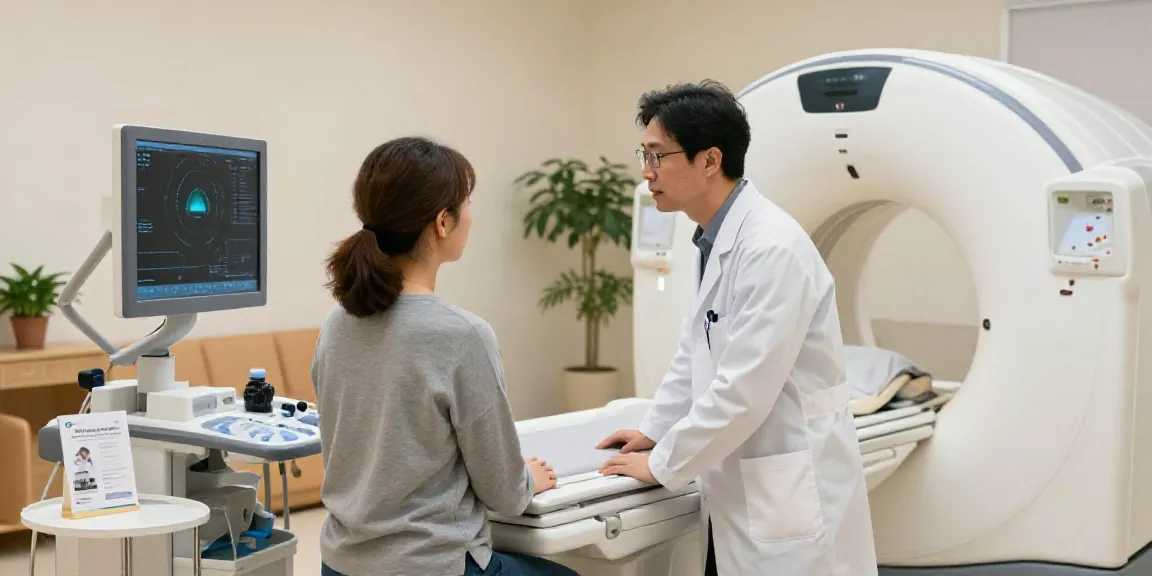
Before undergoing brain tumor surgery, extensive pre-surgical assessments are conducted. These typically include detailed imaging studies to determine the tumor's size, location, and relationship to adjacent brain structures. Blood tests and neurological evaluations are also performed to assess the patient's overall health and readiness for surgery.
Patient Expectations and Concerns
Patients may have various concerns regarding the surgery, including potential risks, recovery time, and the impact on daily life. It's essential for healthcare providers to address these concerns transparently, offering realistic expectations based on the tumor type and overall health of the patient.
Information on Anesthesia and Pain Management
Brain surgery is usually performed under general anesthesia. Patients should discuss any specific concerns about anesthesia, particularly if they have previous experiences or allergies. Post-operative pain management is vital, and a tailored plan should be established to ensure comfort during recovery.
Procedure of Beyin Tümörü Ameliyatı
Step-by-Step Surgical Process
The surgical procedure typically involves the following steps:
- Preparation: The patient is positioned adequately, and the surgical site is cleaned and sterilized.
- Craniotomy: A section of the skull is removed to access the brain.
- Tumor Resection: The neurosurgeon carefully removes the tumor using advanced techniques and tools.
- Closure: The skull cap is replaced and secured, and the incision is closed with sutures or staples.
Technologies Used in Surgery
Advancements in surgical technologies have significantly improved brain tumor surgery outcomes. Techniques such as intraoperative MRI, neuronavigation systems, and awake surgery are increasingly utilized, allowing surgeons to visualize the tumor in real-time and minimize damage to critical brain areas.
What Happens During the Operation?
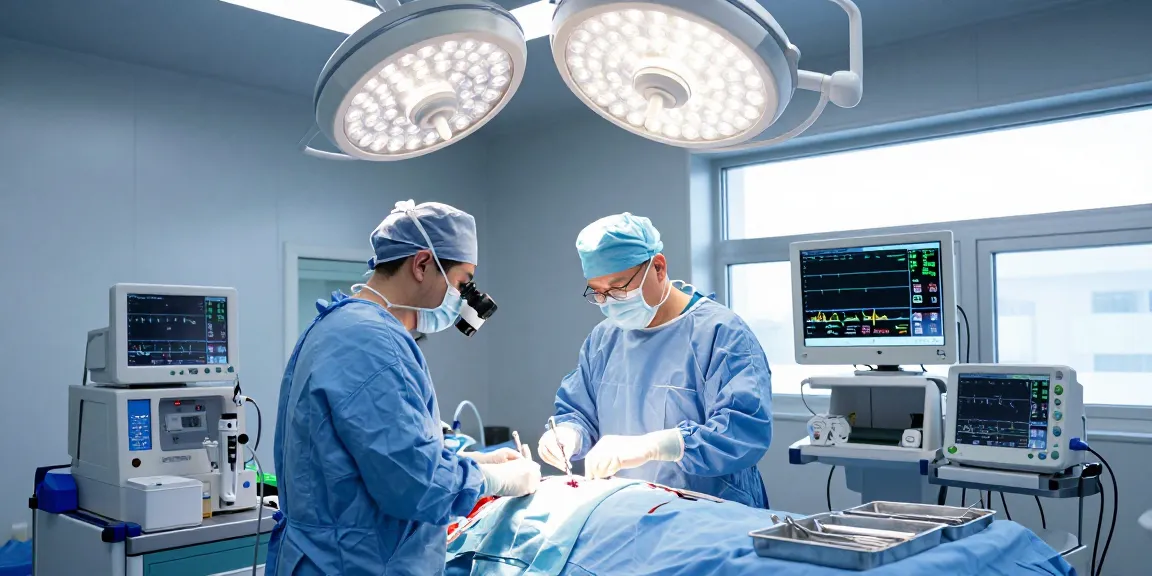
During the operation, the surgical team remains vigilant, monitoring the patient's vital signs and neurological functions. In awake brain surgery, patients may be asked to perform tasks or respond to questions, enabling surgeons to identify essential brain functions and preserve them during the resection.
Post-Operative Care for Beyin Tümörü Ameliyatı
Recovery Timeline and Expectations
After surgery, patients are typically moved to a recovery area for monitoring. The length of the hospital stay can vary, but most patients remain in the hospital for several days before discharge. A recovery timeline should be discussed with the surgical team, detailing expectations for rest, rehabilitation, and follow-up appointments.
Common Complications and Risks
While surgeries are generally safe, there are potential risks involved, including:
- Infection
- Bleeding
- Neurological deficits
- Seroma formation
Patients should be educated about the signs of complications and encouraged to report any unusual symptoms post-surgery.
Follow-Up Care and Monitoring
Follow-up care is crucial for monitoring recovery and detecting any signs of tumor recurrence. This may involve regular physical exams, imaging studies, and possibly additional therapies such as radiation or chemotherapy, depending on the tumor type and grade.
Future Trends in Beyin Tümörü Ameliyatı
Innovations in Surgical Techniques
The field of neurosurgery is evolving rapidly, with new techniques and tools continually being developed. Minimally invasive approaches and robotic surgery are gaining traction, offering potential benefits such as reduced recovery time and fewer complications.
Advances in Post-Operative Care
Post-operative care is also seeing advancements, with an emphasis on patient education, pain management, and rehabilitation. Enhanced recovery protocols are being established, focusing on returning patients to their pre-surgery activity levels more efficiently.
Impact of AI and Robotics on Surgery
Artificial intelligence and robotics are set to revolutionize brain tumor surgeries. AI can assist in pre-operative planning and intraoperative decision-making, while robotic systems can provide precise movements and support complex procedures, enhancing overall surgical outcomes.
What Should I Expect During Recovery?
Recovery from brain tumor surgery varies by individual but typically involves rest, gradual resumption of activities, and physical therapy if needed. Patients can expect some level of fatigue and cognitive changes initially, which usually improve over time.
How is the Success Rate of Beyin Tümörü Ameliyatı Determined?
The success of brain tumor surgery is often measured by the extent of tumor removal and the improvement in neurological function. Continuous research and data collection will help refine these metrics and improve treatment protocols.
What Are the Risks Involved in Brain Surgery?
All surgical procedures carry inherent risks, and brain surgery is no exception. Patients should discuss these risks thoroughly with their surgical team and weigh them against the benefits of surgery.
How Long Does the Surgery Take?
The duration of brain tumor surgery varies based on the tumor's type, size, and location, but typically lasts between 3 to 6 hours.
Are There Alternative Treatments for Brain Tumors?
While surgery is often the primary treatment approach, alternative treatments such as radiation therapy, chemotherapy, and targeted therapy may be considered, especially for tumors that cannot be surgically removed completely.. Additionally, beyin tümörü ameliyatı provides further details.