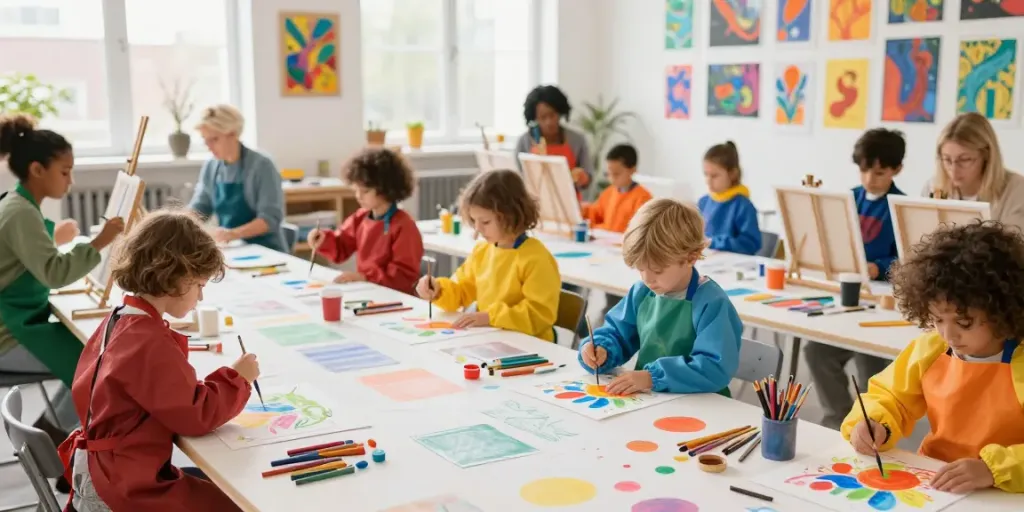
Understanding the Importance of Coloring for Children
Coloring is not just a fun pastime for children; it plays a significant role in their mental and emotional development. Through coloring activities, children engage in a creative process that fosters imagination, enhances motor skills, and promotes concentration. Many parents underestimate the value of coloring, yet its impact on child development is profound and far-reaching. In today’s digital age, children are increasingly exposed to screens, making traditional activities like coloring essential for balanced development. When exploring options, freecoloringsheets.net provides comprehensive insights into the variety of coloring sheets available to cultivate these skills.
Benefits of Coloring Activities for Development
Coloring activities offer a multitude of benefits that contribute to a child's development. Firstly, coloring helps improve fine motor skills. The act of holding crayons or markers and controlling their movement enables children to develop the small muscles in their hands and fingers, which are critical for tasks such as writing and typing later in life. Secondly, it enhances hand-eye coordination as children learn to connect their vision with their body movements.
Moreover, coloring serves as a form of self-expression. Children can express their emotions and ideas on paper, helping them process what they feel in a constructive manner. This self-expression is not limited to colors; it encompasses the choice of themes and how they choose to color their sheets, further showcasing their individuality.
Finally, coloring can help teach children about color recognition, shapes, and patterns. These fundamental concepts lay the groundwork for more advanced subjects, such as math and art appreciation, as they grow older.
The Role of Creativity in Child Growth
Creativity is a vital component of child growth, and coloring activities play a pivotal role in nurturing this creative spirit. When children engage with coloring sheets, they make decisions about colors, techniques, and designs, fostering their ability to think critically and innovatively. This creative exploration encourages them to experiment with different concepts and express their originality, which are invaluable skills in today’s fast-paced and ever-changing world.
Additionally, participatory art activities, including coloring, can boost a child's self-esteem. Completing a coloring page provides a sense of achievement that is particularly important for building confidence. As children showcase their completed work to family and friends, they receive validation and encouragement, further enhancing their sense of self-worth.
Long-Term Skills Gained through Coloring
The benefits of coloring extend beyond immediate enjoyment. As children develop their coloring skills, they inadvertently cultivate long-term skills. For instance, the concentration required to stay within lines and carefully select colors enhances their focus, a skill that is applicable to academic tasks and everyday life. Furthermore, the creativity sparked through coloring often leads to a lifelong appreciation for the arts, encouraging children to explore various forms of artistic expression as they grow.
Ultimately, the skills and experiences gained from coloring can influence a child’s approach to problem-solving, creativity, and emotional intelligence as they transition into adulthood. Engaging in these activities early on sets the stage for a well-rounded individual capable of navigating life's complexities.
Choosing the Right Coloring Sheets for Different Age Groups
Selecting age-appropriate coloring sheets is crucial for maximizing the benefits of coloring activities. Young children require simpler designs that allow them to engage without feeling overwhelmed. In contrast, older children may enjoy intricate designs that challenge their skills and promote critical thinking. This section will delve into how to tailor coloring sheets to suit different ages, ensuring that each child finds joy and value in their coloring experience.
Age-Appropriate Coloring Options
For toddlers and preschoolers, coloring sheets should feature large, simple shapes and bold outlines. This allows them to practice motor skills without the frustration of precision, encouraging them to engage in the activity more fully. As children progress to the ages of six to eight, they can handle more detailed sheets that incorporate a range of patterns and themes, fostering their developing skills and imagination.
For older children, particularly those aged nine and up, intricate mandalas or themed designs relating to popular culture can stimulate enhanced creativity and serve as a form of relaxation. This variety ensures that all age groups can find suitable coloring activities that align with their needs and interests.
How to Select Themes that Engage Children
Selecting themes that resonate with children is essential for keeping them engaged. Popular themes can include animals, nature, characters from their favorite shows, or even seasonal themes like Halloween and Christmas. Involving children in the selection process ensures that they are more likely to connect with the material and invest time in coloring.
Additionally, incorporating educational themes such as historical figures or scientific concepts can introduce children to new ideas while allowing them to express themselves creatively. This dual approach not only enhances their knowledge, but it also makes learning fun and interactive.
Considerations for Special Needs Children
Children with special needs may require tailored coloring sheets to address their unique challenges. Large-print sheets with bold outlines can be beneficial for those with visual impairments, while softer textures may help those with tactile sensitivities. Adaptations in coloring tools, such as thick crayons for children with grip issues, can also enhance their experience.
It is essential to create an inclusive environment where children with different needs can enjoy coloring activities alongside their peers. This not only promotes acceptance but also cultivates empathy and understanding among all children.
Effective Techniques for Encouraging Creativity
Encouraging creativity in children involves more than just providing them with coloring sheets. It requires creating an environment that nurtures their artistic expression while promoting inspiration and exploration. Here are effective techniques to enhance children's creativity through coloring.
Creating a Positive and Inspiring Environment
A positive and inspiring environment can significantly influence a child’s willingness to engage in creative activities such as coloring. This includes setting up a dedicated coloring space that is well-lit, comfortable, and stocked with a variety of coloring tools and sheets. Personalizing the space with art that reflects their interests can also make a child feel more connected to their surroundings.
Moreover, offering encouragement and praise fosters a sense of accomplishment, motivating children to dive deeper into their creative pursuits. By celebrating their efforts rather than just the final product, parents can instill a love for artistic expression in their children.
Incorporating Coloring into Daily Routines
Integrating coloring activities into daily routines can significantly enhance a child's engagement with the art form. Designating specific times throughout the week for coloring, such as during family game night or as a calming activity before bedtime, can cultivate a consistent habit.
Additionally, combining coloring with storytelling can make the experience more enriching. Encouraging children to illustrate scenes from their favorite stories or even create their own characters can ignite their imagination and lead to a more immersive experience.
Using Music and Stories to Spark Imagination
Music and stories have a powerful influence on creativity. Playing soft, calming music while your child colors can create a soothing atmosphere, allowing them to immerse themselves in their activity without distractions. Alternatively, upbeat music can energize the environment, encouraging spontaneous creative expression.
Similarly, storytelling can be a catalyst for imagination. By providing a narrative behind each coloring sheet, children can visualize scenes and characters, enhancing their coloring experience. They may even choose to color based on their interpretation of the story, fostering a unique blend of visual art and literary creativity.
Fostering a Community Around Coloring Activities
Building a community around coloring activities can enrich children's experiences, connecting them with peers and local artists while providing collaborative opportunities. Here are strategies to cultivate such communities.
How to Host Coloring Events and Workshops
Hosting coloring events and workshops can bring children and parents together in a fun and engaging way. Local libraries, community centers, or art studios can serve as venues for these gatherings. Events could include themed coloring nights, competitions, or collaborative art projects that encourage teamwork and social interaction.
Offering workshops led by local artists can also provide children with valuable insights and techniques to enhance their coloring skills. This not only supports community artists but also exposes children to diverse artistic styles and perspectives.
Connecting with Local Artists for Collaborations
Collaborating with local artists presents an exciting opportunity for children to learn from professionals in the field. These partnerships can take the form of mentorship programs where artists guide children through specific projects or workshops that combine coloring with other art forms like painting or sculpture.
Additionally, local artists can contribute by creating exclusive coloring sheets for community events or educational purposes, further enriching the children's experience and fostering a sense of pride within the community.
Sharing Artwork within Your Community
Encouraging children to share their artwork fosters a sense of community and belonging. Setting up art shows or exhibitions where children can display their completed coloring sheets can be a rewarding experience. This not only validates their efforts but also inspires others to engage in artistic activities.
Social media platforms and community websites can also serve as outlets for sharing artwork digitally, broadening exposure and creating a virtual community of young artists.
Future Trends in Coloring for Children
The world of coloring is evolving, influenced by technology and shifting cultural norms. As we look toward the future, several trends are emerging that will shape how children engage with coloring activities.
Digital Coloring Tools and Online Communities
With advancements in technology, digital coloring tools are becoming increasingly popular. Apps that allow children to color digitally offer interactive experiences while introducing them to concepts of design and creativity at an early age. These platforms often foster online communities where children can share their digital artwork, participate in challenges, and collaborate with peers globally.
However, balancing digital and traditional coloring is crucial. Encouraging children to engage in both formats can enrich their experiences and expose them to various artistic methods.
Emerging Themes and Styles in Coloring Sheets
As societal interests change, so do the themes and styles of coloring sheets. Emerging trends include mindfulness-themed sheets that promote relaxation and stress relief, as well as educational themes that blend learning with creativity. Additionally, the rise of inclusivity in art has led to a demand for diverse representation within coloring sheets, allowing children from various backgrounds to see themselves in the art they create.
Impact of Technology on Traditional Coloring
The influence of technology on traditional coloring cannot be overstated. While digital platforms provide new avenues for creative expression, there is a growing recognition of the therapeutic benefits of traditional coloring methods. Activities that involve physical coloring with crayons, markers, or paints can be calming and grounding, which is essential in today’s fast-paced world.
Encouraging a blend of digital and traditional approaches ensures that children reap the full spectrum of benefits from coloring as an art form.
Frequently Asked Questions
What types of coloring sheets are best for young children?
For young children, large, simple designs with bold outlines are most effective. These designs allow for easy coloring and help them develop their motor skills without frustration.
How can I motivate my child to color more?
To motivate your child, create a conducive coloring environment, provide a variety of coloring tools, and engage them by selecting themes that interest them. Incorporating storytelling and music can also enhance their experience.
Are there benefits to coloring for adults as well?
Yes, coloring is beneficial for adults, offering stress relief, enhancing focus, and fostering creativity. Adult coloring books often feature intricate designs to cater to this demographic.
How do coloring activities enhance fine motor skills?
Coloring requires small, controlled movements that strengthen the muscles in the hands and fingers, which are essential for tasks like writing and typing.
Can coloring be used as a therapeutic tool?
Absolutely! Coloring has been recognized as a therapeutic tool for reducing anxiety and promoting mindfulness, acting as a form of art therapy that allows individuals to express themselves in a non-verbal way.